

You just bought a GPS tracker for your car, your teenager's car, or the work van, and now you are wondering if you are about to break the law. It is a fair question. GPS tracking touches privacy, property, and in some states, criminal law all at once.
Here is the short version. GPS tracking is legal in every state when you own the vehicle, or when you have the consent of the person you are tracking. Where it gets complicated is everything around that rule: employee gps tracking, tracking a spouse, tracking a rental car, and the state gps tracking laws and anti stalking laws that decide what "consent" actually requires. This guide walks through the federal rules, a state-by-state breakdown, and the exact answer to is tracking employees by gps legal, so you can plug in gps tracking devices with total confidence instead of a nagging feeling you might be doing something wrong.
Quick answer
Is GPS tracking legal? Yes, as a general rule, when you track a vehicle you own, a company owned vehicle, or a minor child's vehicle. GPS tracking becomes illegal in most states the moment you track a person, phone, or vehicle you do not own without their consent. Employers can generally track company owned vehicles, but tracking employee owned vehicles or monitoring employees off the clock usually requires employee consent, written notice, or both, depending on the state.
What Counts as "GPS Tracking," Legally Speaking?
GPS tracking is the use of GPS technology, satellites, and a receiver, to determine and record the location of a vehicle, object, or person over time. In a legal context, the law usually does not care about the brand of the gps device. It cares about what the device does and who it is watching.
Most state statutes use the broader term "electronic tracking device" instead of "GPS tracker," which matters more than it sounds. An electronic tracking device is typically defined as any tracking device attached to a vehicle or movable object that reveals its location by transmitting electronic signals. That definition covers a plug-in GPS tracker, a hidden mobile tracking device under a bumper, and in some states, tracking apps and Bluetooth tags too. So when a statute talks about a "tracking device," assume it means your gps tracker, your phone's location sharing, and everything in between.
As gps technology gets more affordable and easier to plug in, businesses that want to implement gps tracking across a mix of company vehicles, personal vehicles, and employee owned devices should treat every gps device the same way: get consent first, and never assume it's fine to track vehicles you don't own just because nobody has objected yet.
The Short Answer, Explained: Ownership, Consent, and Purpose
Whether GPS tracking is legal in a given situation almost always comes down to three questions, and they matter far more than the state you live in:
- Who owns the vehicle? If you own the vehicle, you can generally install gps devices on it and track it, in all 50 states, no matter who is driving.
- Does the tracked person or vehicle owner's consent exist? If you do not own the vehicle, you generally need the vehicle owner's consent, or the consent of the person being tracked, before using gps tracking on it.
- Who is doing the tracking, and why? A parent watching over a teen driver, a business tracking company owned vehicles, and law enforcement officers acting under a warrant all get treated differently than a private individual tracking a stranger, an ex-partner, or a coworker.
Get those three answers right and you have answered the underlying question in almost every situation. Get any one of them wrong, particularly the consent question, and you can move from a routine safety decision into a criminal one under your state's tracking laws.
You own the vehicle
Legal nationwide. Track your own car, truck, or the family car your teen drives, with no consent needed from the driver.
You have consent
Legal in every state. A Turo renter who agrees to tracking, or an employee who signs a gps tracking policy, has given the consent that makes tracking lawful.
Neither applies
Illegal in most states. Tracking a vehicle or phone that belongs to someone else, without their knowledge, is where gps tracking laws turn criminal.
Federal Law and GPS Tracking
There is no single federal statute that broadly regulates private GPS tracking the way, say, wiretapping law regulates phone calls, and no federal laws set a national standard for consumer-grade gps tracking devices. Federal law mostly enters the picture in two places: constitutional limits on law enforcement, and a small set of federal statutes that touch electronic monitoring and stalking.
United States v. Jones: The Supreme Court's Warrant Rule
The single most important federal case on this topic is United States v. Jones (2012). Federal agents attached a GPS tracking device to a suspect's Jeep and tracked it for 28 days without a valid warrant. The Supreme Court ruled unanimously that attaching a GPS device to a vehicle and using it to monitor movement is a "search" under the Fourth Amendment, which means law enforcement officers generally need a warrant before installing a tracking device on a vehicle for a criminal investigation.1 Lower federal courts, including the Third Circuit in United States v. Katzin, have since confirmed that a warrant is required, not just a Fourth Amendment "search" label.
This ruling protects private citizens from unchecked government tracking, but it does not restrict what you, as a vehicle owner or employer, can do with your own gps tracking devices. Jones is about law enforcement and the Constitution, not about a parent tracking a teen driver or a business tracking company vehicles.
What Law Enforcement Officers Can and Cannot Do
Because of Jones, law enforcement officials generally must obtain a warrant based on probable cause before they install gps devices on a private vehicle as part of a criminal investigation. There are narrow exceptions, including some consent-based searches and certain vehicle theft recovery devices already installed by the vehicle's owner or a dealership, since those are not government-installed tracking devices in the first place. If police already have a warrant, or the vehicle owner consents to tracking, the Jones warrant requirement does not apply.
State GPS Tracking Laws: How States Differ
State gps tracking laws are where most real-world questions actually get answered, because federal law stays mostly silent on private, non-government tracking. States generally fall into three groups.
1. States With Specific GPS Tracking Laws
A number of states have specific gps tracking laws that name electronic tracking devices directly. California is the clearest example. California Penal Code Section 637.7 makes it a misdemeanor to use an electronic tracking device to determine the location or movement of a person, unless the registered owner, lessor, or lessee of the vehicle has consented, or the use is by a law enforcement agency.2 Texas, Florida, Louisiana, Michigan, Oregon, Rhode Island, Tennessee, Utah, and Wisconsin all have similar statutes that make it illegal to track a vehicle without the vehicle owner's consent, and several states, including California and Florida, layer additional employee-specific rules on top through a separate senate bill or labor code section.
2. States That Fold GPS Tracking Into Anti Stalking Laws
A second group of states does not have a standalone GPS statute. Instead, they treat unwanted electronic tracking as a form of stalking, and prosecute it under the state's anti stalking law. Alaska, Arizona, Connecticut, Illinois, Maryland, New York, North Carolina, North Dakota, Oklahoma, Washington, and Wyoming, along with the District of Columbia, all define stalking broadly enough to include location tracking, and several have amended their stalking statutes in recent years specifically to cover gps tracking devices and other tracking tools. Under these anti stalking laws, installing a hidden tracking device on someone's car so you can monitor them, especially when it causes a reasonable fear for their safety, can lead to stalking charges even without a dedicated GPS statute.
3. States With No Specific GPS Tracking Law
The remaining states have no law enforcement statute or civil code section that mentions GPS tracking devices by name. That does not mean tracking is a legal free-for-all in those states. Prosecutors and courts still apply general privacy, harassment, and stalking laws to gps tracking practices, and a pattern of secret tracking can still support criminal charges or a civil lawsuit even without a specific gps tracking law on the books.
| State law category | How gps tracking is regulated | Example states |
|---|---|---|
| Specific tracking device statute | Explicit law bans tracking a vehicle without the owner's consent | California, Texas, Florida, Louisiana, Michigan, Oregon, Utah |
| Anti stalking law coverage | Location tracking is defined as a form of stalking | New York, Illinois, Arizona, Washington, Maryland |
| General privacy law only | No GPS-specific statute; courts apply broader privacy or harassment law | Most remaining states |
| Your own vehicle, anywhere | Legal nationwide under all three categories, no consent required from the driver | All 50 states |
Because gps tracking laws vary this much by state, and change from one legislative session to the next, treat any state-by-state list, including this one, as a starting point rather than a final answer. If you plan to track a vehicle that regularly crosses state lines, or you are unsure how your specific laws apply, a quick call to a local attorney is worth more than any blog post.
Not legal advice
This article explains how gps tracking laws generally work so you can make an informed decision. It is educational, not legal advice, and it does not replace a conversation with a licensed attorney in your state, especially for employee gps tracking policies or any situation involving law enforcement.
Is Tracking Employees by GPS Legal?
This is the question that brings most small business owners and fleet managers to this page. The short answer: tracking employees with GPS is legal in the large majority of situations, but the rules change sharply depending on who owns the vehicle and whether tracking extends outside work hours.
Company Owned Vehicles vs. Employee Owned Vehicles
Tracking company owned vehicles is the easiest case. Because the business owns the vehicle, employer tracking of that vehicle is legal in virtually every state, the same way tracking your own car is legal. Most gps tracking laws that require the owner's consent are automatically satisfied when the employer is the vehicle owner. Employers should still inform employees that tracking company owned vehicles and company owned devices is happening, both for legitimate business purposes and because a small but growing number of states legally require it.
Employee owned vehicles are a different story. If a worker uses their personal vehicle for deliveries, sales calls, or a "bring your own car" job, tracking that vehicle without the vehicle owner's consent triggers the same tracking laws that protect any private vehicle owner. In practice, this means employers need to obtain employee consent, ideally in writing, before adding gps trackers to a personal vehicle, and should never perform gps tracking on an employee owned vehicle without informing the employee first.
Do You Need Employee Consent?
Even for company owned vehicles, obtaining employee consent is smart risk management, not just a legal checkbox. A growing number of states, led by California, now require some form of written consent or advance written notice before an employer can monitor employees electronically, even on company property. Maine's newer employer notification law, for example, requires advance written notice before electronic monitoring, renewed annually, although it specifically excludes GPS tracking installed on employer-owned vehicles from that requirement. Delaware requires prior written notice before monitoring vehicle location. The safest approach for any business, regardless of state, is a single gps tracking policy written to the strictest standard you might ever operate under, since that keeps you compliant everywhere your company owned vehicles travel.
California's Employee GPS Tracking Rules
California deserves its own mention because it has the most detailed employee gps tracking rules in the country. Penal Code 637.7 already bans tracking a vehicle without the owner's consent, and a newer law (AB 984, effective 2023) adds that employers cannot use an "alternative device" to monitor employees except during work hours, and only when strictly necessary for the job. Translation: California employers can track company vehicles, but tracking employees by gps outside scheduled work hours, or tracking a personal device around the clock, is where the law applies most aggressively, and where employers most often get into trouble.
Building a GPS Tracking Policy That Actually Holds Up
Whether you run two work trucks or twenty, a short written gps tracking policy protects both the business and the employee. A policy worth having in writing should cover:
- Why you track (safety, routing, theft prevention, insurance, customer ETAs)
- Which vehicles are tracked, and whether any personal devices are included
- When tracking is active (ideally, work hours only for anything but company owned vehicles)
- How location data is stored, who can see it, and how long you keep it
- A signature line to formally obtain employee consent
Employers who lead with the benefits (faster ETAs, safer routes, protection from false claims) rather than treating gps tracking as pure oversight also see far less pushback from staff, and a written policy is exactly the kind of protect employee privacy step that keeps an otherwise legal gps tracking program out of a courtroom.
State Rules for Tracking Employees by GPS: A Snapshot
No federal laws set a single national standard for employee gps tracking, so state law fills the gap, and it fills it unevenly. Some states have specific laws that prohibit tracking employees on personal devices or personal vehicles without written notice. Others simply extend general anti stalking laws and labor laws to cover the workplace. A short snapshot of how a few states treat tracking employees by gps:
- California laws restrict gps tracking of personal devices unless the employer takes steps to obtain employee consent first, and limit tracking to work hours.
- Delaware requires prior written notice before an employer can monitor employees through electronic monitoring of a vehicle's location or electronic communication.
- Maine has a new employer notification law that requires notice before electronic monitoring, though it exempts gps tracking installed on employer-owned vehicles used purely for business operations.
- Connecticut requires employers to inform employees, in writing, before electronic monitoring begins.
- Texas, Michigan, and most other states have no specific laws targeting employee gps tracking beyond the general rule that tracking a vehicle needs the owner's consent.
The practical takeaway for any business that wants to implement gps tracking across a mix of company vehicles and employee owned devices: default to the strictest state law you might touch, obtain consent up front, and never track personally owned vehicles or mobile devices without it. That single habit keeps a legal gps tracking program from turning into a specific gps tracking laws violation just because a driver crossed a state line.
GPS tracking tools aren't limited to the daily commute either. Delivery businesses use the same tools for tracking deliveries and confirming arrival windows, moving companies track company vehicles between job sites, and property managers use gps tracking to track vehicles that service multiple stops in a single day. In every one of these cases, the law applies the same way: track company vehicles freely, but treat personal vehicles and personal or employee owned electronic devices as needing explicit consent first.
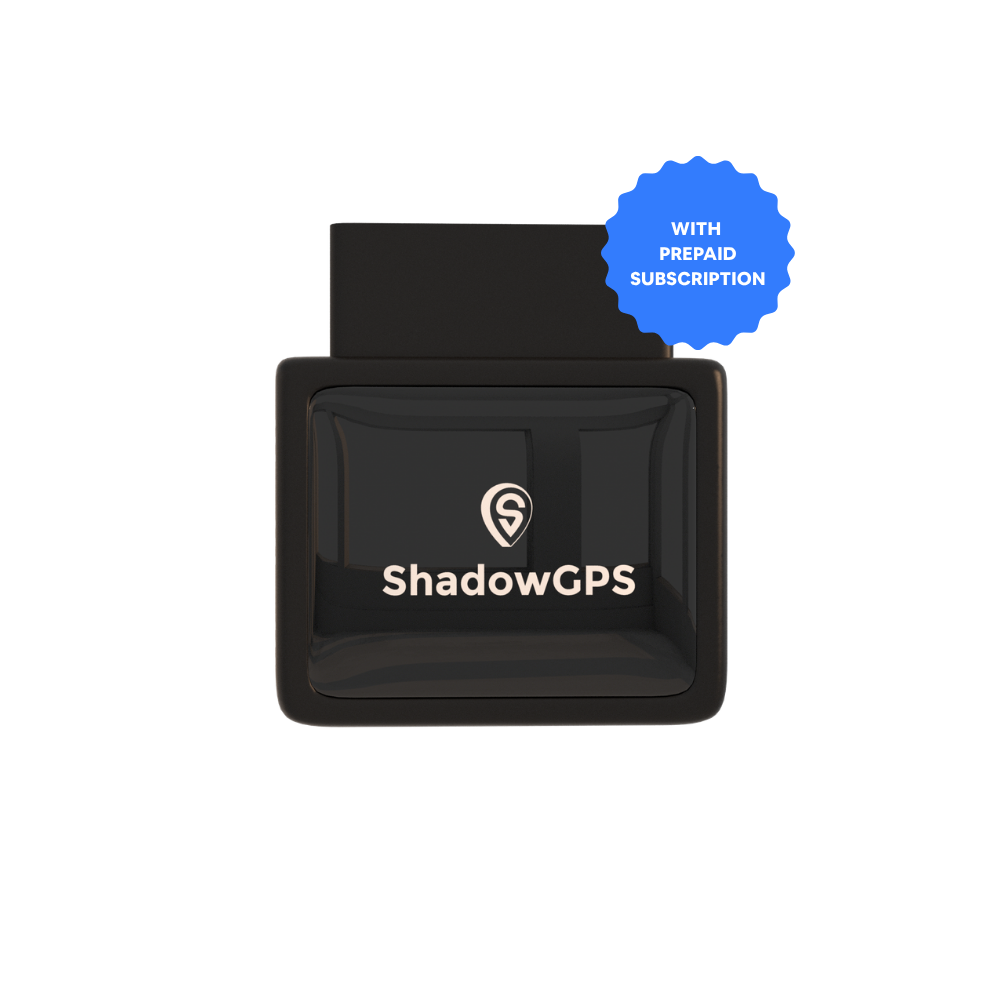
ShadowAuto
- Plugs into the OBD-II port in under 2 minutes, no wiring
- Live location updates every 5 seconds while moving
- Trip history and route replay for every vehicle on the plan


Tracking Personal and Family Vehicles
Most people who search for whether gps tracking is legal are not running a fleet. They are a parent handing keys to a teen driver, a Turo host protecting a rental, or someone who wants a tracking system on the truck they park on the street overnight. This is the simplest legal category of all.
Parents Tracking Minor Children
Parents tracking minor children is legal nationwide, whether the vehicle belongs to the parent or is registered jointly. A parent has the owner's consent by definition when it is their own car, and courts have consistently treated a parent's location tracking of a minor as a normal exercise of parental authority rather than a privacy violation.
Turo Hosts and Rental Vehicles
If you rent your car out through Turo or a similar platform, you own the vehicle, which means using gps tracking on it is legal in every state, and reviewing the gps data after each rental can help resolve disputes over mileage or damage. Many hosts add tracking device disclosure to their rental terms anyway, both for transparency and because Turo's own policies favor OBD-based trackers like ShadowAuto over Bluetooth tags that renters can more easily find and remove.
Tracking a Spouse, Partner, or Adult Roommate
This is where good intentions run into real legal risk. Even joint ownership of a vehicle does not automatically clear you to install a tracking device without the other owner's consent, and several states' consent statutes prohibit tracking a spouse or partner's separately titled car outright. It is illegal to track a spouse's vehicle without their consent in most states, especially during a separation or custody dispute, where secretly tracking movements is a common trigger for stalking charges under a state's anti stalking law. If you are not sure the other person consents, obtain consent in writing, or don't track at all.
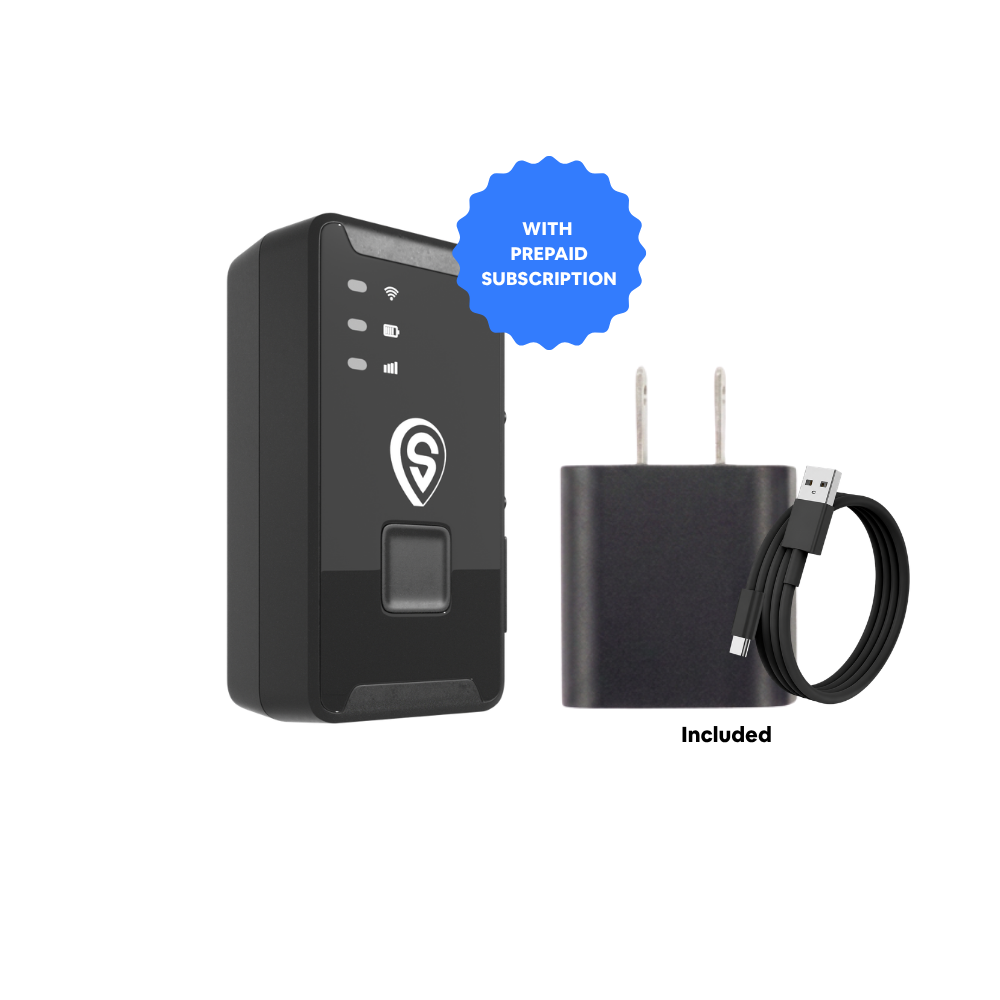
ShadowTrack
- Weatherproof magnetic case, hides anywhere on a vehicle you own
- No wiring, no OBD port needed, works on trailers and equipment too
- Live location updates every 5 seconds while moving
When GPS Tracking Crosses the Line Into Stalking
Every anti stalking law in the country shares a common thread: a pattern of conduct that would cause a reasonable person to feel fear for their safety. Location tracking fits that definition easily once it is done in secret and without their consent. Courts do not need a defendant to admit bad intent. A hidden mobile tracking device planted on an ex-partner's car, paired with unexplained appearances at the places that person visits, is exactly the fact pattern that anti stalking laws were written to catch.
A few patterns that regularly turn ordinary gps tracking into a stalking case:
- Tracking a vehicle or phone you do not own, without their consent, after a breakup or during a custody dispute
- Continuing to track someone who has asked you to stop, or after a restraining order is in place
- Hiding a tracking device on a vehicle you do not own and using the data to intercept or confront the person
- Sharing another person's location data with someone else without their consent
Under most states' anti stalking laws, prosecutors do not need to prove the tracking device itself is illegal in isolation. They need to prove a course of conduct and a reasonable fear it created, which is why the same gps tracking device that is perfectly legal on your own truck becomes evidence in a criminal case the moment it goes on someone else's car without permission.
How to Know If You Can Legally Track a Vehicle
Before you install gps devices on any vehicle, walk through this short checklist:
Green light
- You are the registered owner, lessor, or lessee of the vehicle
- The vehicle owner has given explicit consent
- It's a company owned vehicle and the driver has been informed
- You're a parent tracking a minor child's vehicle
Red light
- You don't own the vehicle and haven't asked
- You're tracking an adult without their knowledge
- An employee hasn't consented and it's their personal vehicle
- Someone has asked you to stop and you haven't
If everything falls in the green light column, gps tracking is almost certainly legal for your situation, in any state. If anything falls in the red light column, stop and get explicit consent, or legal advice, before you go further. For a deeper look specifically at company fleets, see our guide to employee vehicle tracking best practices and how to introduce GPS tracking to employees without creating resentment.
Can You Tell If a GPS Tracker Is on Your Car?
Because gps tracking law depends so heavily on consent, plenty of people also want to know how to check whether they are being tracked without their consent. A few practical starting points:
- Physical inspection. Most hidden trackers use a magnetic case and sit in the wheel wells, under the bumper, or near the OBD-II port. A flashlight and a few minutes under the car will find most of them.
- Phone-based detection. A cell phone cannot reliably detect a passive GPS tracker on its own, but if the device transmits over Wi-Fi or Bluetooth, network-scanning apps can sometimes spot an unfamiliar signal near the vehicle. Bluetooth tags like AirTags are the easiest to catch this way; a dedicated cellular electronic tracker with no Bluetooth radio is harder to find with a phone alone.
- RF detectors. A dedicated radio-frequency scanner can pick up the signal a mobile tracking device sends back to its server, and researchers at NYU have been developing phone-based tools that use this same approach specifically for stalking victims.3
- Dealership or mechanic check. If you suspect a tracking device on your own vehicle, a mechanic performing a routine inspection can usually spot anything wired into the OBD port or attached with a magnet.
If you find a tracking device you did not authorize, document it, do not confront the person you suspect, and contact local law enforcement, since removing evidence yourself can complicate a stalking or harassment case later.
GPS Tracking Legal Scenarios at a Glance
| Scenario | Consent needed? | Generally legal? |
|---|---|---|
| Tracking your own car or truck | No | Yes, nationwide |
| Parent tracking a minor's vehicle | No (parental authority) | Yes, nationwide |
| Company tracking company owned vehicles | No, but notice recommended | Yes, nationwide |
| Employer tracking an employee's personal vehicle | Yes, written consent recommended | Yes, with consent |
| Tracking employees off the clock | Not typically permitted | Restricted in several states, including California |
| Turo host tracking a rented vehicle they own | No | Yes, nationwide |
| Tracking a spouse or partner's separately owned car | Yes | Illegal without consent in most states |
| Law enforcement tracking a suspect's vehicle | Warrant required (US v. Jones) | Yes, with a valid warrant |
| Hidden tracking of any vehicle you don't own, without consent | Yes, and it's missing | Illegal in most states, often a crime |
Frequently Asked Questions
Can my employer track my location without my consent?
Usually yes, if it's a company owned vehicle, since the employer's ownership satisfies most states' consent requirement. Tracking your personal vehicle or a personal device without your consent is a different story, and several states, led by California, restrict or prohibit it, especially outside work hours.
Can I refuse to be tracked at work?
You can raise the objection, but if the tracking is on a company owned vehicle you're using for work, most employers can require it as a condition of using that vehicle. If it's your personal vehicle, you generally have the right to decline unless you've signed a policy giving explicit consent.
Can you sue someone for tracking you?
Yes. Beyond any criminal charges under a state's tracking or anti stalking law, unauthorized tracking commonly supports a civil lawsuit for invasion of privacy or intrusion upon seclusion, and some states, including California, allow a private right of action with statutory damages specifically for illegal electronic tracking.
Can an employer track employee location?
Yes, on company owned vehicles and company owned devices, for legitimate business purposes and generally during work hours. Tracking a personal phone or personal vehicle requires employee consent in most states, and a handful of states require advance written notice even for company property.
Can I tell if someone put a GPS tracker on my car?
Often, yes. Check the wheel wells, bumpers, and OBD-II port for a magnetically mounted or plugged-in device, and consider a mechanic's inspection if you suspect a hidden tracking device. A phone can sometimes detect a tracker that broadcasts over Wi-Fi or Bluetooth, but a purely cellular tracking device is harder to spot without an RF detector.
Can a cell phone detect a GPS tracker?
Sometimes. A phone's Bluetooth and Wi-Fi scanners can flag nearby trackers that use those protocols, and Apple and Android both now alert users to unfamiliar Bluetooth tags traveling with them. A dedicated GPS tracking device that only communicates over a cellular network is much harder for a stock phone to detect without a specialized app or RF hardware.
Can someone track your location without your consent?
Not legally, in most cases. Tracking a person or a vehicle they own without their consent violates a specific tracking device statute in many states, and falls under general anti stalking laws almost everywhere else. Exceptions exist for vehicle owners tracking their own property, parents watching over a minor child's car, and law enforcement acting under a valid warrant.
Keeping a GPS Tracking Program Compliant Over Time
Businesses using gps tracking for the first time often ask the same practical questions: how long should we keep gps data, who should be allowed to see it, and does tracking employees during work hours look any different from tracking employees after they clock out? Many businesses start using gps tracking without a written policy, which is where problems begin, and before using gps tracking on any vehicle you don't fully own, get consent in writing first.
The safest habit is to retain gps data only as long as it serves a business purpose, restrict gps data access to the people who actually manage routing or safety, and never treat tracking employees off the clock as an extension of tracking company vehicles during work hours. Sharing gps data with a third party without consent raises its own risk, and auditing company vehicles gps data periodically helps catch a policy drifting out of compliance. In short, tracking employees responsibly means default transparency: a single gps device misused this way is often enough to make it illegal to track someone under a stricter state law.
The Bottom Line
GPS tracking is legal for the overwhelming majority of people who search for this question: vehicle owners, parents, Turo hosts, and businesses tracking their own company owned vehicles. The legal risk shows up specifically around consent, which is why every gps tracking policy, whether it's a one-line agreement with a teenager or a signed document for a five-truck fleet, should spell out who is being tracked, when, and why. Know your state's rules, get consent in writing whenever a vehicle isn't fully yours, and gps tracking stays exactly what it should be: a tool for peace of mind, not a legal headache.
ShadowGPS builds tracking devices for people who fall solidly on the legal side of that line: your own car, your teen's car, your rental, or your company's vehicles. Plug in ShadowAuto or ShadowTrack, see your vehicle update every five seconds, and cancel any time, no contract required.
Plug it in. See it move. Know where it is.
ShadowAuto and ShadowTrack are built for vehicles you own. Just plug it in, no contract required.
Sources: (1) United States v. Jones, 565 U.S. 400 (2012), Cornell Legal Information Institute. (2) California Penal Code Section 637.7. (3) NYU Tandon School of Engineering research on GPS tracker detection, reported by CBS News New York. This article is for general information only and is not legal advice. GPS tracking laws change frequently; confirm current requirements in your state, or consult a licensed attorney, before implementing a tracking program. Last updated September 2026.

