

Does a hidden GPS tracker for vehicle protection actually stop car thieves? Mostly, it changes their math. A thief can't see a hidden tracker, so they can't plan around it, and decades of research show that doubt about getting caught is what keeps people from trying in the first place.
That's the real psychology of theft, and it's more interesting (and more honest) than "thieves are scared of GPS." Below, we walk through how car thieves actually pick a target, what a well-known economics study found when hidden trackers spread through cities like Boston and Los Angeles, where hidden tracking hits its limits, and how to set up your own car or truck so the odds stay on your side.
Yes, hidden tracking devices for vehicles deter theft, but mostly as a group, not one car at a time. Because thieves can't tell which cars are tracked, every car on the block looks riskier. Research on hidden trackers found car theft fell sharply across whole cities as they spread. For your own car, the biggest direct win is getting it back fast, so pair a hidden tracker with instant alerts and one visible deterrent.
How Car Thieves Actually Choose a Target
Most car theft isn't random. Criminologists describe it with rational choice theory: a would-be thief weighs effort, risk, and reward, usually in a few seconds, and only acts when the trade looks good.
A second idea, routine activity theory, explains when that trade looks good. Theft happens when three things line up: a motivated offender, a suitable target, and no capable guardian watching. A hidden tracker is a guardian that keeps watching after you walk away.
The four questions a thief asks before touching your car
- Is it worth it? Resale value, parts, a quick joyride, or a ride to commit another crime.
- How fast can I get in and go? Unlocked doors, keys left inside, push-button models vulnerable to relay attacks.
- Will anyone see or hear me? Lighting, foot traffic, cameras, alarms.
- Can I get away clean afterward? Where the car can be stashed, stripped, or sold without being found.
Visible security (steering locks, alarms, bright parking spots) works on questions two and three. A hidden tracker goes after question four, the one a thief can't answer from the sidewalk.
Why "can't tell" works better than "can't do"
Opportunistic thieves look for easy wins, like keys in the cupholder or a car left running. Experienced thieves plan around what they can see: they know how to cut a steering lock or quiet an alarm.
A hidden tracker takes away information instead of adding an obstacle. There's nothing to defeat if you don't know it's there, and that uncertainty follows the car for the whole trip, not just the first 30 seconds.
Certainty Beats Severity: The Science Behind It
Here's the research point most anti-theft articles skip. The U.S. National Institute of Justice, summarizing decades of deterrence studies, puts it plainly: the certainty of being caught is a far stronger deterrent than how harsh the punishment is.
NIJ also notes that police deter crime when they raise an offender's sense that they'll be caught. A tracker does exactly that. It doesn't make prison scarier. It makes getting found more likely, which is the variable that actually changes behavior.
Think of it this way: if any car on the street might be quietly reporting its location to its owner's phone, the "can I get away clean" answer gets worse for every car on that street.
The LoJack Study: Real Proof That Invisible Protection Works
The strongest evidence comes from economists Ian Ayres and Steven Levitt, who studied LoJack, a hidden radio transmitter for cars with no sticker or outside sign. Their paper, published in the Quarterly Journal of Economics in 1998, looked at what happened to car theft as the device spread.
What they found is a big deal for anyone thinking about a hidden tracker:
- Theft dropped across whole areas. The presence of LoJack was tied to a sharp fall in car theft in central cities and a smaller decline in the rest of the state.
- The numbers were large. In the study's estimates, one car theft a year disappeared for roughly every three LoJack-equipped cars in central cities. Boston saw car theft fall about 50% after LoJack arrived, Newark about 35%, and Los Angeles/Long Beach almost 20%, though other factors were also at play in those cities.
- Losses shrank when cars were taken. The same summary estimated the average loss at about $1,000 for LoJack cars versus roughly $4,000 without it, because tracked cars came back sooner and more intact.
- Most of the benefit went to neighbors. Owners got less than 10% of the total benefit. Everyone else got the rest through lower theft rates.
The key detail is in the design of the study. Because nobody could see the device, it didn't make any single equipped car less likely to be picked. The deterrence was shared. Thieves started treating whole neighborhoods as riskier.
What the LoJack study means for your car
LoJack used radio signals that police tracked, not the live phone map you get with a modern cellular GPS tracker, but the principle is the same. A hidden tracker's personal payoff is recovery: you see where your car went and help police reach it fast. Its group payoff is deterrence: the more people use hidden tracking, the riskier car theft becomes for everyone. If you also want to make your car look like a bad target tonight, add one visible layer on top.
Visible vs. Hidden Security: What Each One Actually Does
Ayres and Levitt drew a sharp line between two kinds of protection. Visible measures like barbed wire or deadbolts can push crime onto people who don't have them. Criminologists call that displacement. Hidden measures can do the opposite and spread protection around, which researchers call a diffusion of benefits.
Neither is "better." They do different jobs, and the smartest setup uses both.
| Protection layer | Can a thief see it? | What it does best | Weak spot |
|---|---|---|---|
| Steering wheel lock | Yes | Slows a thief and nudges them to the next car | Can be cut with the right tools |
| Car alarm (factory or add-on) | Yes, and they can hear it | Draws attention during a break-in | People tend to ignore alarms |
| Engine immobilizer | Not usually | Stops the engine starting without the key | Relay and key-cloning attacks, towing |
| "GPS protected" window decal | Yes | Signals risk at a glance | Only works if a real tracker backs it up |
| Bluetooth item tag (like AirTag) | No, at first | Rough location through nearby phones | No live feed, and anti-tracking alerts can warn a thief it's there |
| ShadowAuto (plug-in OBD-II tracker) | No, it sits under the dash | Live location, Car Alarm, trip replay, engine codes | The OBD-II port is a known spot, so pair with a second layer |
| ShadowTrack (battery tracker) | No, hide it almost anywhere | Live location from a spot a quick search won't reach | Needs a recharge about every 15 days |
Strengths and weak spots are general, based on how each type of protection works. Specific products vary.
The Honest Limits of Hidden Tracking
You'll find plenty of marketing claiming hidden tracking devices for vehicles are "impossible to find." That isn't true, and pretending otherwise doesn't help you protect your car.
Experienced thieves know the common hiding places, and radio-frequency scanners can sniff out devices that transmit. Some also use signal jammers, which are illegal to use, sell, or market in the U.S. under federal law but still turn up. Automotive security firm Gazer has made this point publicly, warning that GPS trackers were built to locate cars, not to stop a break-in.
Interviews with young car thieves point the same direction. A study presented at the SAE World Congress found that GPS tracking held some deterrent value for high-end cars, but many offenders simply moved on to easier targets.
What a hidden tracker does well
- Shows you where your car is after it leaves your driveway
- Alerts you the moment it moves when it shouldn't
- Gives police a live location and a trip history to work from
- Adds to the shared deterrence that lowers theft for everyone
What it can't do on its own
- Physically stop someone breaking a window
- Stay hidden from a determined pro with a scanner
- Report from deep underground garages with no cell signal
- Replace good habits, insurance, or a call to police
So the goal isn't one perfect hiding spot. It's layers, so that getting past one doesn't mean getting away.
The 4-Layer Framework: Make Your Car the Wrong Choice
Use this framework to cover all four questions a thief asks. Each layer handles a different one.
- Look harder to steal (visible deterrent)
- Hide the tracker well (the layer a thief can't plan around)
- Get told right away (alerts to your phone)
- Make recovery fast (live location and trip history for police)
Layer 1: Look harder to steal
Lock up, take every key and fob with you, never leave your car running, and park in lit, busy spots. A steering wheel lock or a "GPS protected" decal is a simple visual signal that pushes a quick-decision thief toward the next car. The National Insurance Crime Bureau recommends layering anti-theft tech, including an immobilizer, an alarm, and a tracking device.
It's still worth doing. NICB reports that even after a historic drop in 2025, one car is still stolen in the U.S. every 48 seconds.
Layer 2: Hide the tracker where a quick search won't reach
When you choose a hidden GPS tracker for vehicle protection, start with how much upkeep you want. For most people with one car or truck that matters, the simplest start is a plug-in tracker. ShadowAuto plugs into the OBD-II port under your dashboard in under 2 minutes, no tools and no appointment. It runs off your car's power, so there's nothing to charge, and it adds Car Alarm alerts plus engine-code readouts in the same app.
The honest catch: the OBD-II port is one of the first places an experienced thief checks. That's fine for everyday peace of mind and quick recovery from most thefts, and it's why higher-risk cars benefit from a second, hidden layer.
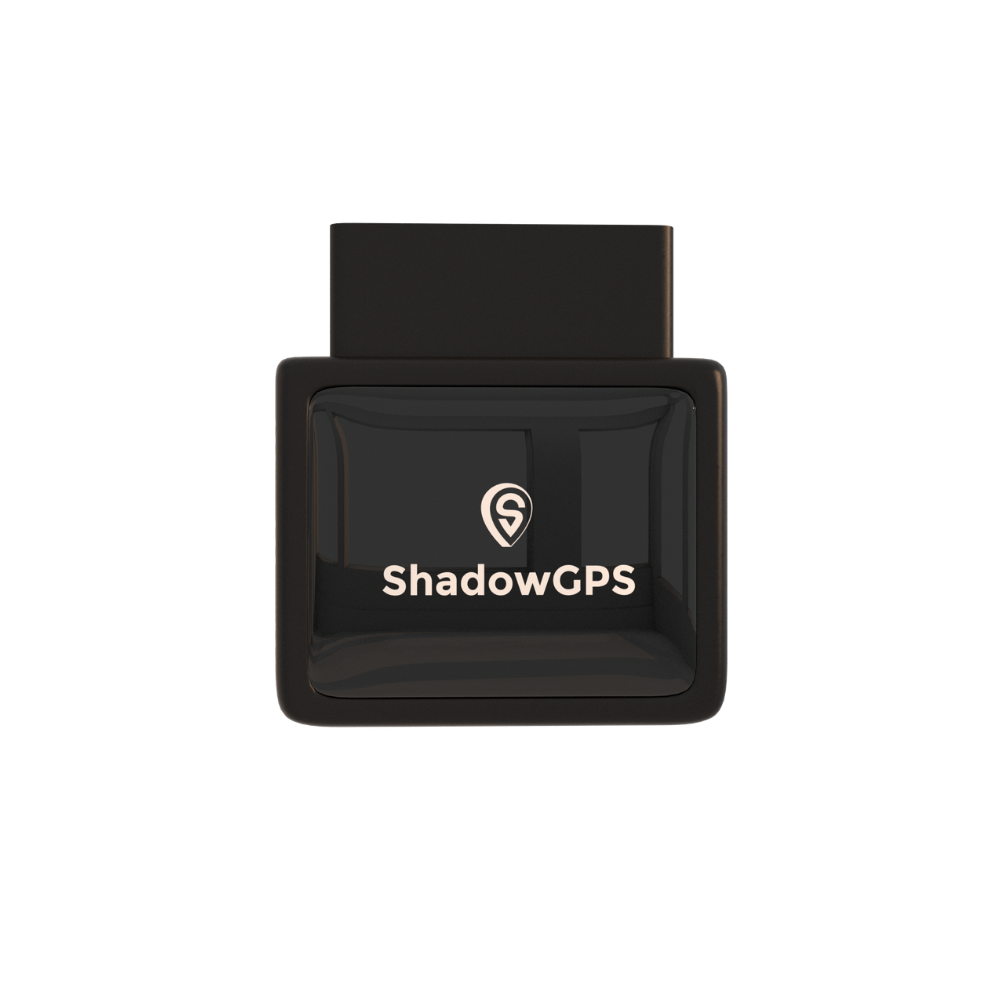
ShadowAuto
- Plugs into your OBD-II port in under 2 minutes
- Car Alarm and tamper alerts straight to your phone
- Powered by your car, nothing to charge


If you want the layer a thief can't plan around, add a battery tracker you can tuck out of the usual spots. ShadowTrack is small, runs up to about 15 days per charge, and sets up in under 2 minutes. Good hiding places include inside a seat cover, under the trunk liner or spare-tire well, or behind a plastic trim panel. Avoid fully enclosed metal boxes, and check the signal in the app before you leave it.
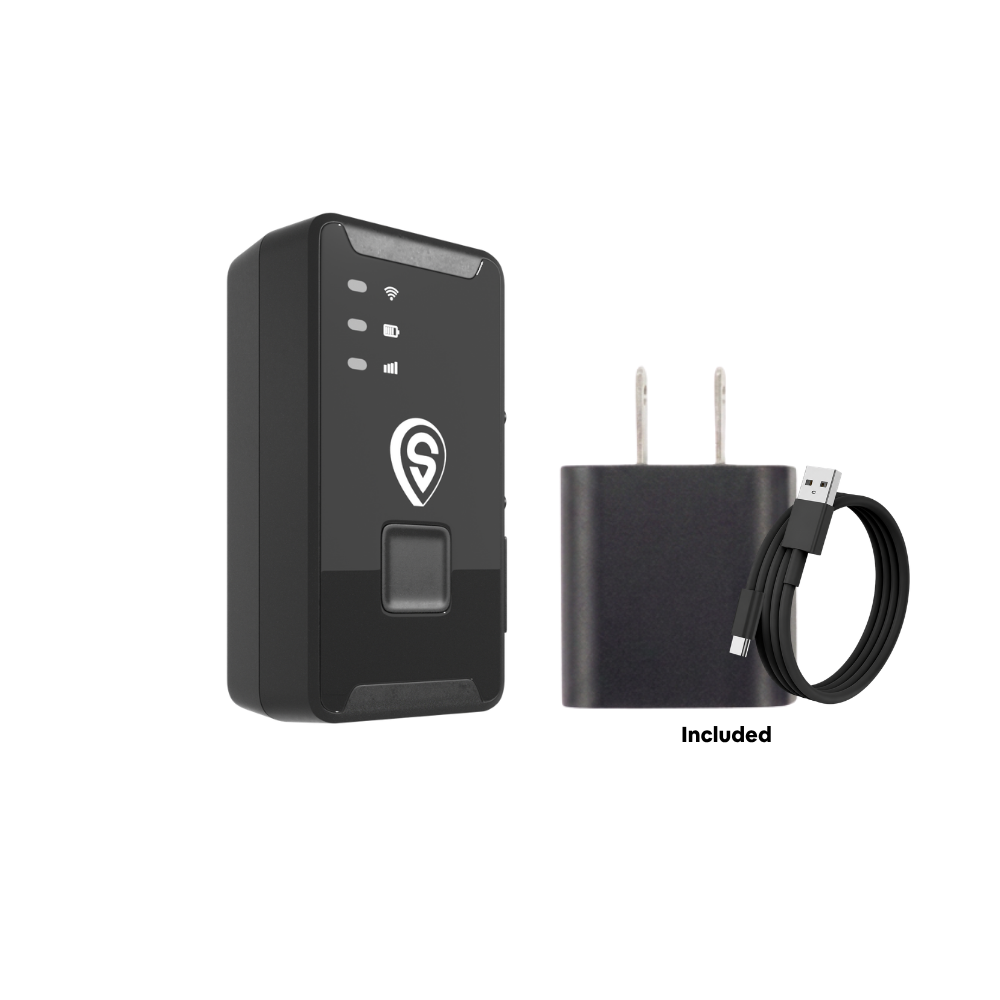
ShadowTrack
- Up to about 15 days per charge
- Small enough to hide away from the usual spots
- Live location, trip timeline, and trip replay
Best for: ShadowAuto if you want zero upkeep on your daily car or truck. ShadowTrack if you want a spot a thief won't think to check, or something for a trailer or a car without an OBD-II port. Both together if your car is a high-theft model or parks somewhere you worry about.
Want a deeper look at hiding options? See our guide to the best hidden GPS trackers for cars.
Layer 3: Get told the moment something's off
A tracker you only check after the fact is a recovery tool. A tracker that pings you right away is a protection tool. Set up a few things on day one:
- Car Alarm: an alert when your parked car starts moving.
- Geofence alerts: a notice when your car leaves home, work, or an overnight spot. Our walkthrough on setting up geofence alerts that catch overnight theft shows how.
- Tamper alerts: a heads-up if a plug-in tracker gets pulled.
This is where speed matters. ShadowGPS trackers update every 5 seconds while your car is moving, so the dot on your phone is where your car is now, not where it was a few minutes ago.
Layer 4: Make recovery fast and clean
When police know exactly where a car is, they can move before it's stripped or swapped onto a trailer. Use Share Location to send a live link, and keep trip replay handy to show the route it took. That trip history can also help when cases go to court, as we cover in how GPS data helps build stronger cases against car thieves.
Who Gets the Most Out of a Hidden Tracker
Parents of teen drivers
Know the family car made it to school and back. If it's ever taken from a parking lot, you're not waiting on guesswork.
Turo hosts
See where your rental is between trips, and spot a car that didn't come back on time. Learn more on our Turo tracking page.
Small fleets (2 to 5+ trucks)
Keep tabs on work trucks and trailers parked at job sites overnight, without a big fleet contract.
If Your Car Is Taken Anyway: The First 10 Minutes
- Check the app. Look at live location and the trip timeline to rule out a tow or a family member borrowing it.
- Call 911. Don't go after your car yourself. Let police handle it.
- Share the live location. Give officers the address on screen or send a Share Location link.
- File a report. Have your VIN, plate number, and a description ready.
- Call your insurer. Send them the police report number.
For a fuller checklist, read our step-by-step recovery guide for a stolen car.
Is it legal to put a hidden GPS tracker on your own car?
Generally, yes. Tracking a car or truck you own is legal across the U.S. What's not legal in many states is tracking a car you don't own, or one someone else has a right to, without their consent. If other people drive your car, tell them it has a tracker: your teen, your Turo guests (check Turo's current rules on disclosing tracking in your listing), and any employees driving a work truck. Laws vary by state, so check yours, and see our guide to hidden tracking device rules and usage. This isn't legal advice.
Key takeaways
- Thieves are deterred far more by the chance of getting caught than by punishment.
- Hidden trackers raise that chance for every car around them, which is why theft fell across whole cities in the LoJack research.
- For your own car, the main direct benefit is fast recovery and smaller losses.
- Experienced thieves can find common spots, so layer a visible deterrent, a well-hidden tracker, and instant alerts.
Frequently Asked Questions
Do hidden GPS trackers deter car theft?
Yes, mainly as a group effect. Because a thief can't tell which cars are tracked, hidden tracking makes all cars in an area riskier to steal. Research on the hidden LoJack system found car theft dropped sharply in cities as it spread. For a single car, the biggest benefit is faster recovery.
Is there a monthly fee for a hidden GPS tracker?
Most real-time trackers have one because they send location over a cellular network. ShadowGPS plans run $12 to $15 a month per tracker. No contract. Month-to-month, or prepay and save, and you can cancel any time.
Does a hidden GPS tracker need a SIM card?
Real-time trackers need cellular connectivity to reach your phone. With ShadowGPS, that connectivity comes with your plan, so there's no separate SIM card to buy or set up.
Can thieves find or disable a hidden tracker?
A determined, experienced thief sometimes can, especially in common spots like the OBD-II port. That's why layering helps: tamper alerts tell you if a plug-in tracker is pulled, and a second battery tracker hidden somewhere less obvious keeps reporting.
Where is the best place to hide a GPS tracker on a car?
For a plug-in tracker, the OBD-II port under the dashboard. For a battery tracker, try inside a seat cover, under the trunk liner or spare-tire well, or behind a plastic trim panel. Avoid sealed metal enclosures, and confirm the signal in the app before you leave it.
Is it legal to use a hidden GPS tracker on my own car?
Generally, yes, if you own the car. Tracking a car you don't own without consent is illegal in many states. Tell anyone who drives your car that it's tracked, and check your state's laws.
What should I do if my tracked car is stolen?
Check the live location to rule out a tow, call 911, and give police the location or a live share link. Don't try to get the car back yourself. Then file a report with your VIN and plate and call your insurer.
Can a GPS tracker lower my car insurance?
Some insurers offer discounts for anti-theft devices, and some don't. Ask your insurer which devices qualify before you count on a discount.
Is a hidden tracker better than an AirTag for a car?
For theft, usually yes. An AirTag relies on nearby Apple devices, gives no live feed, and its anti-tracking alerts can tell a thief's iPhone it's along for the ride. A cellular GPS tracker reports its own location to your phone continuously.
Know where it is. Every 5 seconds.
Plug it in, see it move, cancel any time. No contract, ever.
This article reflects pricing and product details as of October 2026; plans and features can change. LoJack research figures come from studies of the 1990s and are cited to explain how hidden protection works, not as a promise of results for any specific product. Theft statistics are from the National Insurance Crime Bureau's 2025 report. Some links are affiliate links, and ShadowGPS may earn a commission at no cost to you. Legal information is general and not legal advice.

