

Top Benefits of GPS Fleet Tracking for Efficiency and Savings
Picture two trucks leaving the same warehouse at the same time. One driver hits traffic, idles for twenty minutes, and shows up late. The other gets a live reroute the moment the road backs up and arrives on schedule with less fuel burned. The only difference is a small GPS tracker plugged into the dash.
That's the real story behind the benefits of GPS fleet tracking. It's not about watching a dot crawl across a map. It's about turning your vehicles into a source of data you can act on: where they are, how they're driven, when they need service, and whether that trip was actually for business. Whether you're a parent keeping an eye on a teen driver, a Turo host managing a handful of rentals, or a small business running two to five work trucks, the same core benefits apply. This guide breaks down exactly what you gain, what it costs, and how to get the most out of it.
Quick answer: The core benefits of GPS fleet tracking are real-time vehicle location, lower fuel costs, safer driving habits, faster route planning, theft prevention, fewer breakdowns, lower insurance premiums, and simpler compliance. Fleets that adopt GPS tracking typically cut fuel waste and unauthorized use enough to pay for the device within the first few months, while gaining safety and accountability benefits that are hard to put a price on.
What Is GPS Fleet Tracking?
GPS fleet tracking is the use of GPS-connected devices, installed in each vehicle, to monitor real-time location, movement, and driving data across some or all of a fleet. A basic GPS fleet tracking system has three parts: a tracking device in the vehicle, a data connection that sends location data to the cloud, and a dashboard or app where you view it.
The word "fleet" makes this sound like it's only for companies running dozens of trucks. In practice, a fleet can be two vehicles just as easily as two hundred. A parent with one family car and a teen driver, a Turo host with three rental cars, and a landscaping company with five trucks are all managing a small fleet, and they all get the same underlying benefits from GPS fleet tracking, just at a smaller, more personal scale.
How GPS Fleet Tracking Works
A GPS tracking device uses satellite signals to calculate its exact position, then sends that location, along with speed and driving data, to a secure platform you can check from your phone or computer. There are two common ways this shows up in a vehicle:
- Plug-in (OBD-II) trackers connect to the diagnostic port under the dash. No wiring, no installer, powered by the vehicle itself.
- Battery-powered trackers run on a rechargeable battery, so they can be hidden or magnet-mounted anywhere, including trailers, equipment, or a vehicle with no accessible power source.
Refresh speed matters more than most buying guides admit. A tracker that updates every 60 seconds shows you where a vehicle was a minute ago. ShadowGPS devices update every 5 seconds while moving, which is the difference between reviewing history and actually watching your vehicle move in something close to real time.
Top Benefits of GPS Fleet Tracking

Below are the benefits that show up first, in the order most owners and fleet managers notice them.
1Real-Time Vehicle Location and Operational Control
The most immediate benefit of GPS fleet tracking is simply knowing where every vehicle is, right now. For a single-car parent, that means an instant answer to "is my teen still at school." For a small business, it means dispatching the closest available vehicle to a new job instead of guessing.
Real-time GPS data replaces phone calls and guesswork with a live map. You can see a trip in progress, confirm a vehicle actually made it to the job site, or spot a stop that wasn't on the plan.
2Lower Fuel Costs and Less Wasted Idling
Fuel is one of the largest recurring costs for anyone running more than one vehicle, and it's also one of the easiest to leak without noticing. Industry data on fuel-heavy fleets shows fuel can account for a majority of total operating costs when routes and idling go unmanaged.1
GPS fleet tracking helps close that gap in three ways: cutting unnecessary mileage through better routing, flagging excessive idling before it adds up, and exposing personal or unauthorized trips that quietly burn fuel you're paying for. Businesses using route and idle data from GPS tracking commonly report meaningful reductions in fuel use over time.
3Improved Driver Safety
GPS tracking systems that record speed, harsh braking, and rapid acceleration give you an honest picture of driving behavior instead of a guess. For a teen driver, that's peace of mind. For a small fleet, it's a coaching tool that heads off accidents before they happen.
Knowing a vehicle is being watched changes how it's driven. Drivers who know their habits are visible tend to slow down, brake more gently, and take fewer risks, which lowers accident risk and repair costs at the same time.
4Smarter Routes and Faster Deliveries
With live location data, you can reroute a driver around traffic or a closed road the moment it happens instead of finding out after they're stuck. That means fewer late arrivals, more stops completed per day, and more accurate ETAs for customers waiting on a delivery or a service call.
For businesses juggling multiple jobs a day, GPS-informed dispatching also means assigning the closest vehicle to a new request instead of the one that happens to answer the phone.
5Theft Prevention and Faster Recovery
A GPS tracker turns "my car is gone" into "here's exactly where my car is." Geofencing alerts you the moment a vehicle leaves an approved area, whether that's a job site after hours or your own driveway at 2 a.m. If a vehicle is taken, live location data gives law enforcement a real starting point instead of a cold trail.
This matters just as much for a single family vehicle or a Turo rental as it does for a fleet of work trucks. A tracker that updates every 5 seconds gives you a real-time trail to hand to police, not a location from an hour ago.
6Fewer Surprise Breakdowns
Many GPS fleet tracking devices also read engine data through the OBD-II port, including diagnostic trouble codes and engine hours. That means you find out about a check-engine issue when it's a $200 fix, not after it strands a driver on the highway and becomes a $2,000 tow-and-repair bill.
Scheduling maintenance around actual mileage and engine health, instead of a calendar guess, keeps vehicles on the road longer and cuts unplanned downtime.
7Lower Insurance Premiums
Insurers increasingly recognize GPS tracking as a risk-reducer. Vehicles with tracking devices are easier to recover if stolen and easier to document in an accident, and some insurers offer discounts for fleets and individual policies that use them. It's worth asking your provider directly, since discounts vary by insurer and state.
8Less Unauthorized Use, More Accountability
A trip history doesn't lie. GPS fleet tracking makes it obvious when a work truck took a detour for a personal errand, or when a rental car left the agreed pickup radius. That accountability protects your bottom line and, just as often, protects a good driver from being unfairly blamed for something they didn't do.
9Simplified Recordkeeping and Compliance
Automatic trip logs and mileage history save hours of manual paperwork and make audits, insurance claims, and tax mileage deductions far less painful. Instead of reconstructing a route from memory, you pull it up in the app.
10Scales With You, From One Car to a Growing Fleet
You don't need a fleet management department to get these benefits. A single plug-in tracker gives a family the same real-time visibility a logistics company gets from an enterprise platform, just sized for one vehicle. Add a second, third, or fifth vehicle later, and the same account, the same app, and the same 5-second updates scale right along with you.
Who Actually Benefits From GPS Fleet Tracking
Parents and family drivers
Know where a teen driver is, get alerts if the car leaves an approved zone, and get instant notice if something goes wrong on the road.
Turo hosts and rental owners
Confirm a rental stayed within agreed mileage and boundaries, recover it fast if it's not returned, and document trip history if a dispute comes up.
Small fleet and owner-operators (2-5+ vehicles)
Dispatch smarter, cut fuel waste, catch maintenance issues early, and keep every vehicle accountable without hiring a fleet manager.
ShadowGPS Trackers for Every Vehicle in Your Fleet
ShadowGPS makes two trackers that cover almost every vehicle or asset you'd want to keep an eye on. Both plug in or mount in under two minutes, both update every 5 seconds while moving, and both come with no long-term contract.
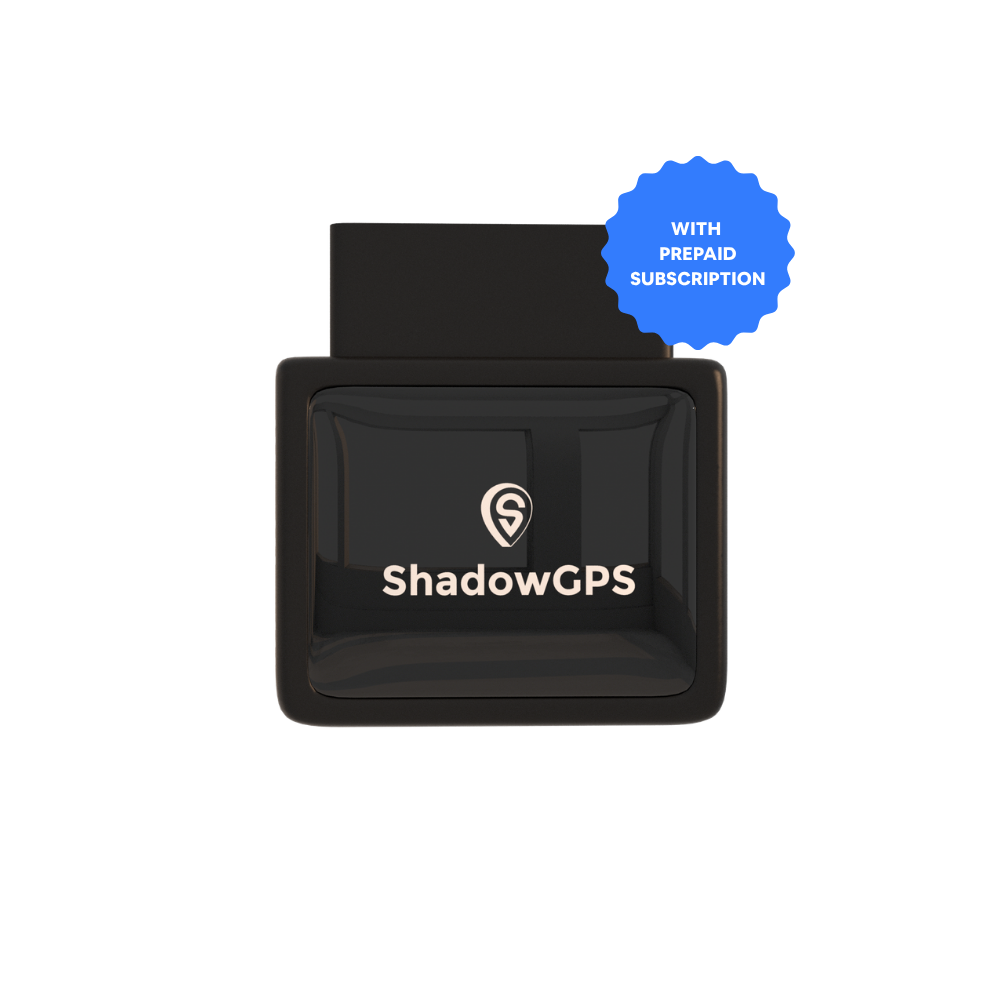
ShadowAuto
- Plugs into your car or truck's OBD-II port, no wiring or installer
- Live trip timeline and trip replay
- Reads engine diagnostic codes to catch issues early


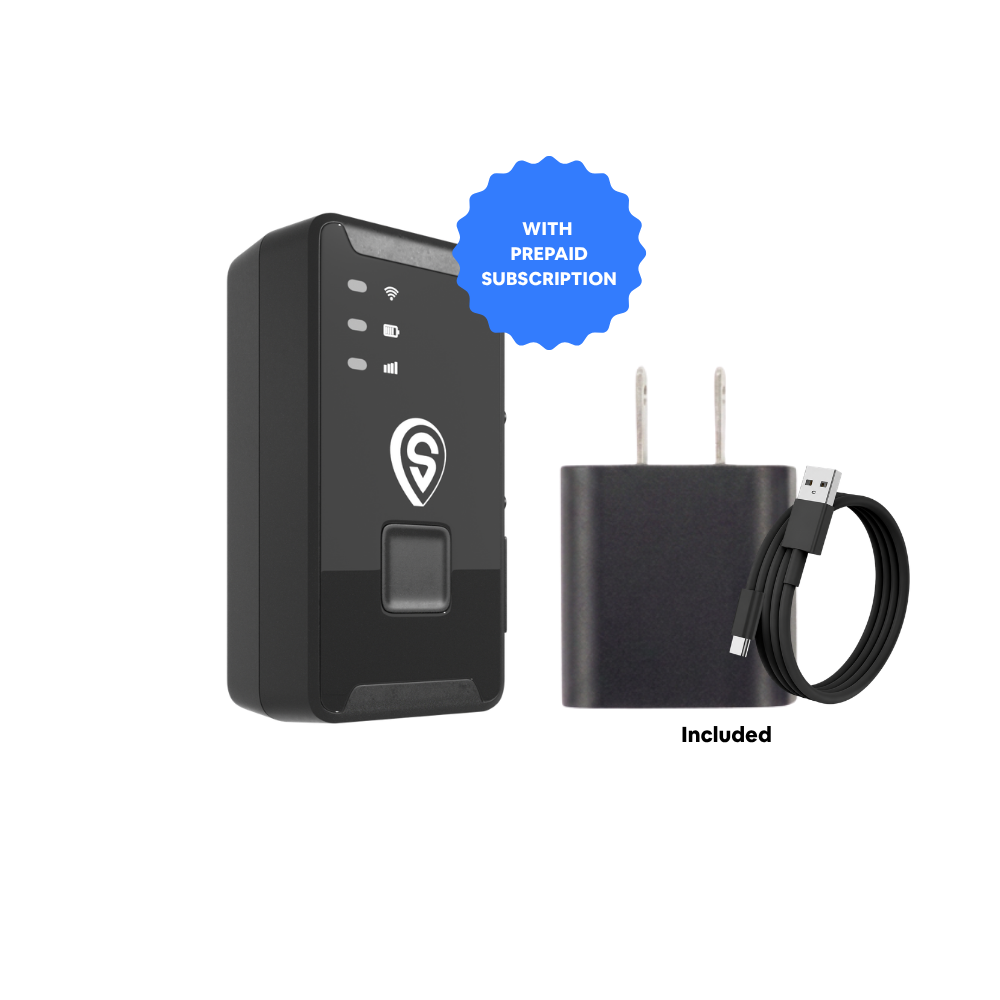
ShadowTrack
- Magnet-mount or hide, no vehicle power needed
- Ideal for trailers, equipment, and non-OBD assets
- Weatherproof case built for outdoor and hidden mounting
GPS Fleet Tracking Benefits at a Glance
| Benefit | What It Solves | Where You'll Feel It First |
|---|---|---|
| Real-time location | Not knowing where a vehicle is right now | The first time you check the app |
| Fuel savings | Wasted idling and unauthorized trips | Your first fuel bill after setup |
| Driver safety | Speeding, harsh braking, risky habits | Fewer near-misses within weeks |
| Route optimization | Traffic delays and missed ETAs | More stops completed per day |
| Theft prevention | Slow or impossible vehicle recovery | The one time you actually need it |
| Maintenance alerts | Surprise breakdowns and tow bills | The next scheduled service |
| 5-second live updates (ShadowGPS) | Stale, minutes-old location data | Every single time you open the app |
Is GPS Fleet Tracking Legal?
Yes, in almost all cases. Tracking a vehicle you own, lease, or rent out is legal in the United States. If you're tracking employees driving company vehicles, most states allow it as long as the vehicle is company-owned and, in many states, as long as employees are notified. It's a different story if you're placing a tracker on a vehicle you don't own or have authority over. When in doubt, check your state's specific rules or consult a legal professional.
Is Fleet Tracking Worth the Expense?
For most owners, yes. A single-vehicle tracker runs a modest monthly fee with no contract, and the fuel savings, faster theft recovery, and avoided repair bills alone tend to outweigh that cost within the first few months. For a small fleet of 2 to 5 vehicles, the math gets even stronger, since fuel and maintenance savings scale with every additional vehicle while the per-vehicle cost of the tracker itself stays flat. If you'd rather skip the monthly bill altogether, ShadowGPS also offers prepaid plans that cover the device and service upfront for a set term.
Frequently Asked Questions
Is it worth getting a tracker on my car?
For most owners, yes. Beyond theft recovery, a tracker gives you real-time peace of mind about a teen driver, an aging parent, or a rental car, plus a documented trip history if you ever need it for insurance or a dispute.
Do GPS trackers have a monthly fee?
Most real-time GPS trackers, including ShadowAuto and ShadowTrack, run on a monthly plan to keep the live data connection active, with no contract, ever. If you'd rather not see a recurring charge, prepaid plans cover the device and service upfront for a set term instead.
Does a GPS tracker need a SIM card?
Real-time trackers like ShadowAuto and ShadowTrack use a built-in cellular connection to send location data, similar to a SIM, but it's built into the device and covered by your monthly plan. You never have to buy or manage a separate SIM card yourself.
How far can a tracker track a car?
A real-time cellular GPS tracker has no meaningful distance limit. As long as the vehicle has cell coverage, whether it's across town or across the country, you'll see its live location and updates every 5 seconds while it's moving.
Do vehicle trackers drain the battery?
An OBD-II tracker like ShadowAuto draws a tiny amount of power, well within what your car's electrical system handles when parked. A battery-powered tracker like ShadowTrack doesn't touch your vehicle's battery at all since it runs on its own rechargeable battery, lasting around 15 days per charge.
Is fleet tracking worth the expense for a small business?
Yes, especially once you're running more than one vehicle. Fuel savings, fewer unauthorized trips, and early maintenance alerts typically cover the monthly cost several times over, and that's before counting the value of faster dispatching and theft recovery.
How much does GPS fleet tracking cost?
Cost depends on the device and plan, but a single real-time tracker typically runs a modest monthly fee per vehicle, with no long-term contract. Prepaid multi-month and annual plans are usually available if you'd rather pay once and skip the recurring bill.
Get Real-Time Peace of Mind, One Vehicle at a Time
You don't need a warehouse full of trucks to benefit from GPS fleet tracking. Whether it's one car that matters to you or a small crew of work vehicles, the path is the same: plug it in, see it update every 5 seconds, and cancel any time.
Plug it in. See it move. Cancel any time.
Choose the tracker that fits your vehicle, no installer and no contract required.
1. Industry fuel-cost figures referenced from published fleet management research; actual savings vary by fleet size, routes, and driving habits. Last updated September 2026.

