

A driver behavior monitoring system exists to answer one question before it becomes an expensive one: how is this vehicle actually being driven, right now? Not after the repair bill arrives. Not after the insurance renewal jumps. Not after a call that starts with "there's been an accident."
Whether you're a parent who just handed a teenager the keys, a Turo host protecting a rental between guests, or an owner-operator running two, three, or five trucks, driver behavior monitoring turns guesswork into a real-time picture of driver performance. This guide breaks down what a driver behavior monitoring system actually does, the safety and cost benefits it delivers, and how a driver behavior monitoring GPS device fits into your vehicle whether you own one car or a small fleet.
Driver behavior monitoring is the process of tracking and analyzing how a vehicle is driven, using GPS, sensors, and in-cab cameras to flag events like speeding, harsh braking, rapid acceleration, and distracted driving. A driver behavior monitoring system converts that raw driving behavior data into real-time alerts and driver scorecards, helping individual owners and small fleets improve driver safety, cut maintenance costs, and lower insurance premiums.
What Is a Driver Behavior Monitoring System?
A driver behavior monitoring system is hardware and software working together to capture how a driver operates a vehicle and turn that raw activity into actionable insights. At its core, it's a data collection layer: GPS pinpoints location and speed, in-vehicle sensors measure acceleration and braking force, and software analyzes the pattern against safe-driving thresholds.
For a fleet manager, that means a live view of driver behavior data across every vehicle on the road. For a single owner, it means the same visibility scaled down to the one car or truck that matters most, whether that's a teen's first car or a work van.
How Driver Behavior Monitoring Works
Every driver behavior monitoring system is built from a few core components working together. Here's what most systems evaluate:
Telematics devices and GPS hardware installed in the vehicle capture speed, acceleration, and braking data as the vehicle moves. Some setups add in-cab cameras for distracted driving detection, or fatigue monitoring sensors that track a driver's eye movements and posture on longer routes. All of it feeds into software that scores driving behavior and flags risky driving behaviors the moment they happen, not weeks later in a report nobody reads.
Key Metrics Every Driver Behavior Monitoring System Tracks
Most platforms boil driver behavior down to a handful of measurable events. Aggregated over time, this data can reveal dangerous locations, recurring driving habits, and which drivers need the most coaching:
- Harsh braking and rapid acceleration - the two clearest signs of aggressive driving behaviors
- Speeding events - logged against posted limits, not just a top-speed number
- Distracted driving - phone handling, which studies show correlates closely with speeding behavior
- Driver fatigue - flagged through irregular speed patterns or, on camera-equipped systems, eye movement and posture
- Trip timeline and idle time - useful for spotting inefficient driving practices, not just risk
Benefits of Driver Behavior Monitoring for Fleet Safety
The case for driver behavior monitoring rests on three pillars: it improves safety, it saves money, and it makes drivers better over time. Here's how each one plays out in practice.
Safety Improvement
Distraction significantly increases crash risk, according to NHTSA data, and it's one of the behaviors a monitoring system is built to catch first. Real-time alerts for risky driving can lower collision rates because a driver gets corrected in the moment, not after the fact. Fleets using monitoring consistently see fewer injuries and less vehicle downtime, and monitoring systems are good at identifying high-risk driving patterns early, before they turn into a claim.
Cost Savings
Does driver behavior monitoring actually lower costs?
Yes, on three fronts. Smoother driving habits reduce wear and tear on brakes, tires, and suspension, which lowers maintenance costs over the life of a vehicle. Many insurance providers offer discounts to fleets and individual owners who use GPS-based monitoring to document driver risk. And because monitoring produces an objective record, it speeds up claims and reduces the legal costs of disputing what actually happened.
Rapid acceleration and hard braking also burn more fuel than smooth, measured driving, so correcting those habits through monitoring improves fuel efficiency alongside safety.
Operational Efficiency and Driver Coaching
Driver scoring systems turn a season's worth of driving behavior data into something a fleet manager can actually act on: who needs coaching, who's improving, and where the risk is concentrated. Targeted coaching based on real data works better than a blanket policy, because it addresses the specific habit that's actually a problem for that driver.
Who Actually Uses Driver Behavior Monitoring
Driver behavior monitoring isn't only a fleet-management tool. It scales down just as well to a single vehicle that matters to one person.
Parent of a teen driver
See how your teen actually drives: speed, hard stops, and where the car's been, without riding along.
Turo host
Know your rental is being driven safely and returned on time, with a full trip history if a dispute comes up.
Small fleet owner-operator
Running 2 to 5 vehicles, use driver scorecards to spot risky habits early and keep insurance premiums in check.
For all three, the underlying need is the same: turn "I hope they're driving safely" into "I know exactly how they're driving."
Driver Behavior Monitoring GPS: How ShadowGPS Fits In
ShadowGPS brings driver behavior monitoring down to the vehicle level with two plug-in trackers, both updating location every 5 seconds while the vehicle is moving, on every plan, with no contract, ever.
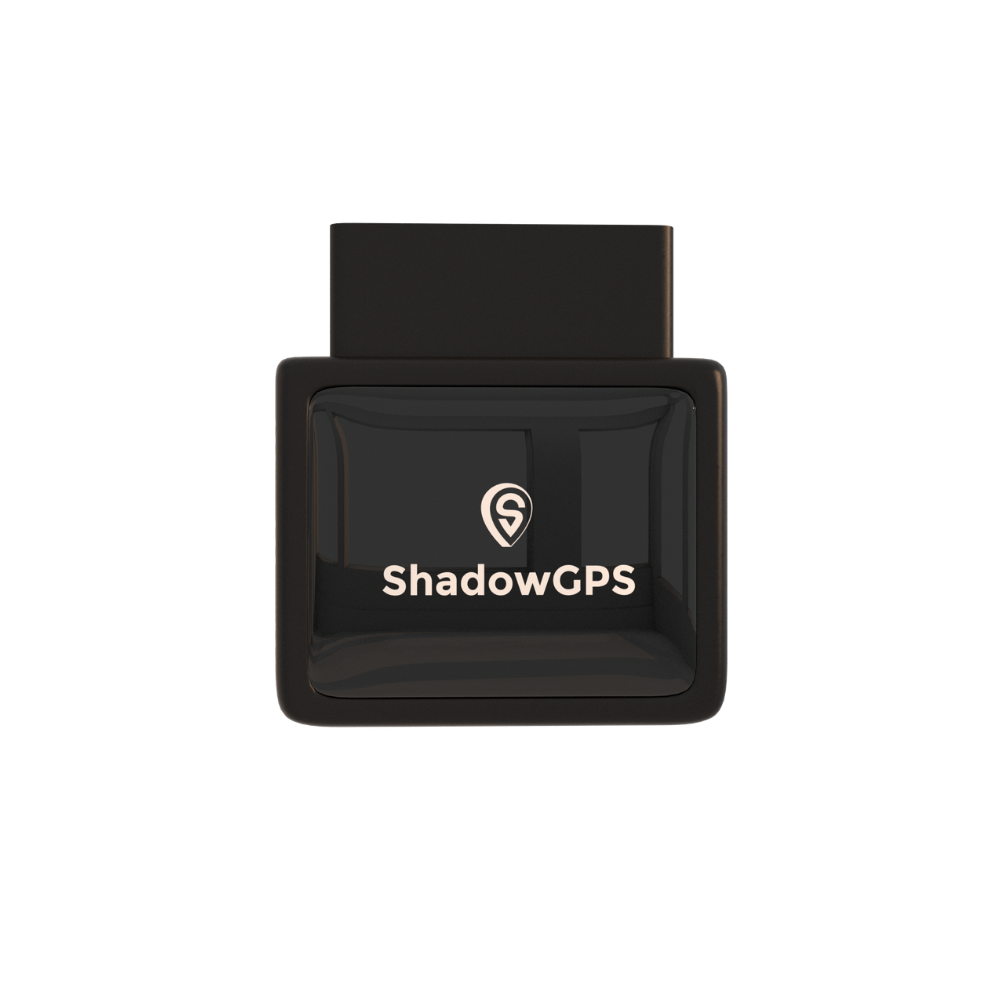
ShadowAuto
- Updates every 5 seconds while moving
- Trip timeline & trip replay
- Car Alarm & vehicle diagnostics
 Buy Now on Amazon
ShadowAuto plugs into your car's or truck's OBD-II port in under 2 minutes, no tools needed, and draws power from the vehicle itself so there's nothing to charge. Trip replay lets you retrace exactly where a vehicle went and how it got there, turn by turn, which is the closest thing to a driver scorecard a single-vehicle owner needs.
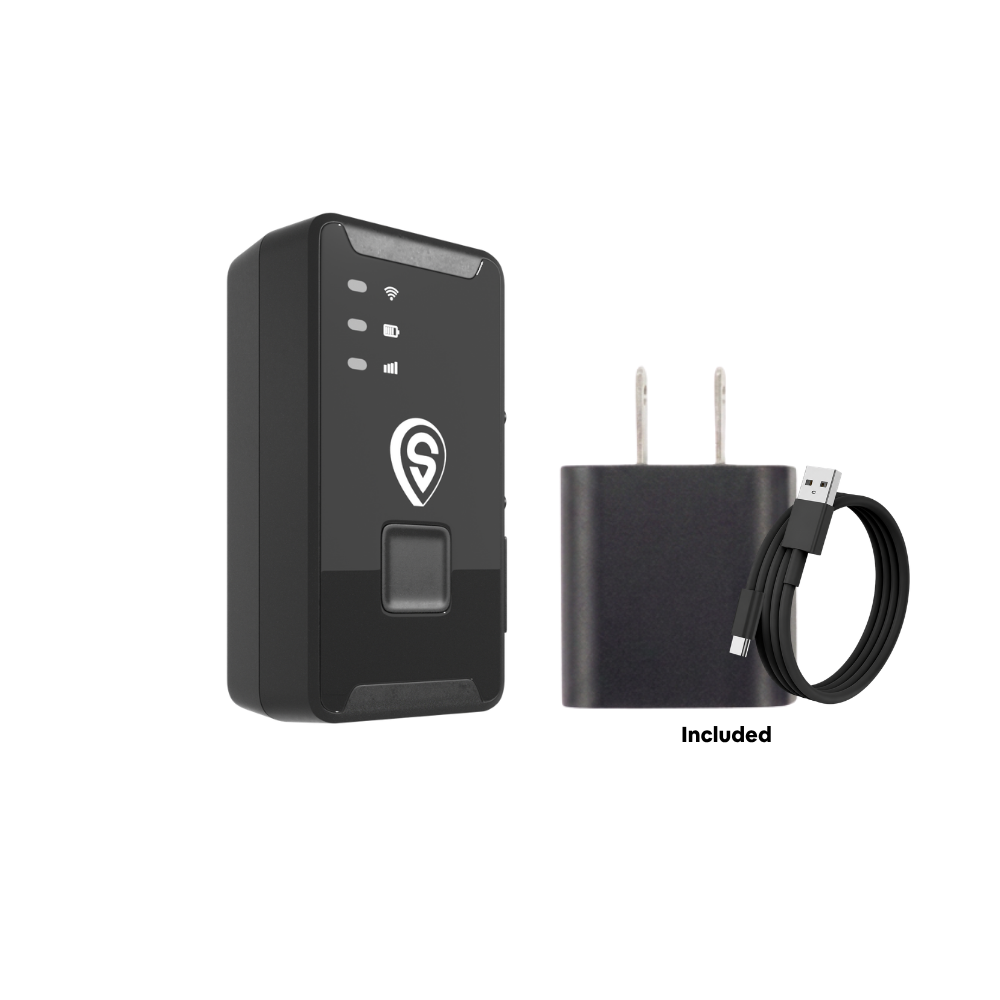
ShadowTrack
- Updates every 5 seconds while moving
- Weatherproof, magnetic mount
- Up to ~15 days per charge
For a trailer, a piece of equipment, or a vehicle without an accessible OBD-II port, ShadowTrack does the same job with a magnetic, weatherproof mount instead of a wired connection. Both trackers put a driver behavior monitoring GPS system in reach of a single-vehicle owner, not just a fleet department with a telematics budget.
GPS Driver Behavior Monitoring vs. Built-In Driver Monitoring Systems
It's worth separating two things that sound alike. A built-in driver monitoring system, like the camera-based system in newer Subarus, watches the driver's face and eyes for fatigue or distraction inside the cabin. GPS-based driver behavior monitoring, by contrast, tracks the vehicle itself: location, speed, and how it's being driven, from anywhere.
| System type | What it monitors | Remote visibility | Best for |
|---|---|---|---|
| OEM cabin driver monitoring (e.g., Subaru DriverFocus) | Driver's eyes, face, posture | None, cabin-only | In-the-moment fatigue/distraction alerts |
| In-cab dash camera systems | Driver + road video | Yes, via cloud upload | Fleets needing video evidence |
| ShadowGPS (GPS driver behavior monitoring) | Location, speed, trip history, harsh events | Yes, real-time on phone or web | One vehicle that matters, or a small 2-5 vehicle fleet |
How to Implement Driver Behavior Monitoring the Right Way
A driver behavior monitoring system only works if the data behind it is accurate and the rollout doesn't feel like a surveillance project. A few things make implementation stick:
- Set clear driver scorecards so everyone knows exactly what's being measured
- Use targeted training tied to the specific behavior flagged, not a blanket policy
- Build a culture of safety around the data instead of treating it as a punishment tool
- Choose a tracker with a fast, reliable refresh rate, since a slow one undermines every alert built on top of it
Frequently Asked Questions
What is a driver behavior monitoring system?
It's a combination of GPS, sensors, and software that tracks how a vehicle is driven, flagging events like harsh braking, speeding, and rapid acceleration, then turning that driving behavior data into real-time alerts and scorecards for the owner or fleet manager.
Can you turn off the driver monitoring system on a Subaru?
You can disable it for a single drive through the vehicle's settings menu, but it's a separate system from GPS-based driver behavior monitoring. Subaru's built-in system watches the driver's eyes and face inside the cabin, and it typically resets the next time the car starts. It doesn't track location, speed, or trip history the way a GPS tracker does.
How much does a driver monitoring system cost?
GPS-based driver behavior monitoring like ShadowGPS runs from $12 to $15 a month per vehicle after the tracker itself, with no contract, ever, month-to-month or prepay and save. Enterprise dash cam and fleet software platforms typically run higher per vehicle, especially at larger scale.
How can I monitor my son's driving?
Plug a GPS tracker like ShadowAuto into his car's OBD-II port. You'll see live location updates every 5 seconds while he's driving, plus a full trip timeline you can replay to see routes, stops, and speed, all from your phone.
Is there a monthly fee for driver behavior monitoring?
Yes, GPS-based monitoring runs on a monthly plan, typically $12 to $15 with ShadowGPS. There's no contract, ever, so you can go month-to-month or prepay and save.
Know where it is. Every 5 seconds.
Plug it in, see it move, cancel any time. No contract, ever.
This guide reflects pricing, specifications, and industry data published as of August 2026. Subscription pricing and features are subject to change by each manufacturer.

