

Somewhere past the last cell tower, your phone stops being a safety net. The bars disappear, the map app freezes on your last known point, and if something goes wrong out there, a phone in your pocket can't call for help.
That's the problem a real GPS tracker for hiking is built to solve, and it's also where most buying guides quietly get the category wrong. They lump satellite communicators, phone apps, and car trackers into one list and rank them on battery life and price, without ever answering the one question that actually decides which device belongs in your pack: does it still work when your phone doesn't?
We'll answer that first, then walk through the best GPS tracker for hiking safety by situation, whether you're doing a loop at a state park with full signal or heading three days into the backcountry with none.
For hiking safety, a satellite communicator like the Garmin inReach Mini 2 is the best GPS tracker for hiking because it sends your location and SOS alerts over satellite, not cell towers, so it keeps working in the backcountry where a phone or a cellular tracker loses signal entirely. If you're sticking to trails with cell coverage, like a state park or a well-traveled forest trail near a city, a cellular GPS tracker such as the Family1st Portable is a lighter, cheaper option. And if the drive to a remote trailhead worries you as much as the hike itself, that's a separate problem: a vehicle tracker on the car you leave in the lot, not the hiker in the woods.
Satellite vs. Cellular: The One Decision That Actually Matters
Every "GPS tracker for hiking" is built around one of two very different technologies, and confusing them is the single biggest mistake people make when buying one.
Cellular GPS trackers send your location over the same networks your phone uses. They're cheap, small, and accurate, right up until you walk past the edge of coverage, which happens fast once a trail climbs a ridge or drops into a canyon. They're a fine fit for day hikes on popular trails inside cell range.
Satellite communicators (sometimes called personal locator beacons or satellite messengers) send your position and messages through a satellite network like Iridium or Globalstar instead of a cell tower. That's what lets them work in the backcountry, on a ridge with zero bars, or in a canyon with no line of sight to a tower at all. Most also include a dedicated SOS button that alerts a 24/7 emergency response center, not just your family.
| Cellular GPS Tracker | Satellite Communicator | |
|---|---|---|
| Works off-grid, no cell towers needed | No | Yes |
| Typical monthly cost | $8–$25/mo | $15–$50/mo (plans vary by message volume) |
| Two-way SOS to a rescue coordination center | Rarely | Yes, on most models |
| Best for | Day hikes, state parks, trails near cities | Backcountry, multi-day trips, no-signal terrain |
How We Evaluated These Hiking GPS Trackers

Every device below was compared on the things that actually decide whether a tracker earns a spot in your pack or gets left in a drawer after one trip:
Specs and pricing were pulled from manufacturer pages and cross-checked against current listings as of 2026. Since satellite plans change fairly often, treat exact monthly figures here as a starting point and confirm current pricing before you buy.
Best GPS Trackers for Hiking: Top Picks for 2026
1. Garmin inReach Mini 2
This is the device most experienced backcountry hikers default to, and for good reason. It's a satellite communicator small enough to clip to a shoulder strap, and it sends two-way text messages and SOS alerts over the Iridium network from almost anywhere on the planet, no cell signal required.
Pair it with the Garmin Explore app on your phone and you get full-screen mapping and easier message typing, while the device itself keeps working even if your phone dies.
Pros
- Works globally, no cell coverage needed
- Two-way SOS to a live rescue coordination center
- Small, light enough to forget it's clipped on
Cons
- No built-in maps, needs a paired phone for full navigation
- Satellite plans cost more than cellular tracker plans

Best for: solo hikers, backpackers, and anyone doing multi-day or off-trail routes with no reliable cell service.
2. Garmin GPSMAP 67i
If you want one device that handles both trail navigation and emergency communication, the GPSMAP 67i is built for that. It has the inReach satellite messaging and SOS built in, plus full preloaded topo maps, so you're not dependent on a phone at all.
Pros
- Full topo mapping plus satellite SOS in one unit
- Long battery life on multi-day trips
- Doesn't rely on a phone to function
Cons
- Bulkier and heavier than the inReach Mini 2
- Highest upfront cost on this list
Best for: hikers who want their trail navigation and their emergency communication on the same device instead of splitting it between a GPS and a phone.
3. ZOLEO Satellite Communicator
ZOLEO covers the same core need, off-grid two-way messaging and SOS, at a lower monthly cost than most Garmin plans, which makes it a common pick for hikers who want backcountry coverage without the premium price tag. It pairs with a phone app for typing and route sharing.
Pros
- Lower-cost satellite plans than most competitors
- Automatically switches between cell and satellite to save cost
Cons
- No standalone screen, needs a paired phone for most functions
Best for: budget-conscious backcountry hikers who still want genuine off-grid SOS coverage.
4. Garmin Enduro 3
If a handheld device or clip-on isn't your style, a GPS watch folds the same core tracking into something you're already wearing. The Enduro 3 offers the accuracy and battery life of a dedicated handheld unit without adding another piece of gear to carry.
Pros
- Nothing extra to carry or clip on
- Multi-week battery life in watch mode
Cons
- Small screen for reading maps compared to a handheld
- Premium price for the multi-band GPS accuracy
Best for: hikers who'd rather wear their tracker than carry a separate handheld.
What About the Drive to the Trailhead?
Here's a gap most hiking gear guides skip entirely: a lot of hiking accidents and close calls never happen on the trail at all, they happen on the drive out to a remote trailhead, down a forest service road, with no one around if the car breaks down or gets stuck.
That's a different problem than the one a satellite communicator solves, and it needs a different tool. None of the devices above are built to track a parked car; they're built to track a person moving on foot. If you want to know your car made it to the trailhead and back, or you want a family member to be able to check on it while you're out of signal range yourself, that's what a dedicated GPS tracker for your car handles, not a hiking device.
ShadowGPS's ShadowAuto plugs into your car's OBD-II port in under 2 minutes, no tools, and updates its location every 5 seconds while it's moving. It's not a substitute for a satellite communicator on the trail, but it means the vehicle you left at the trailhead isn't a blind spot while you're off the grid.
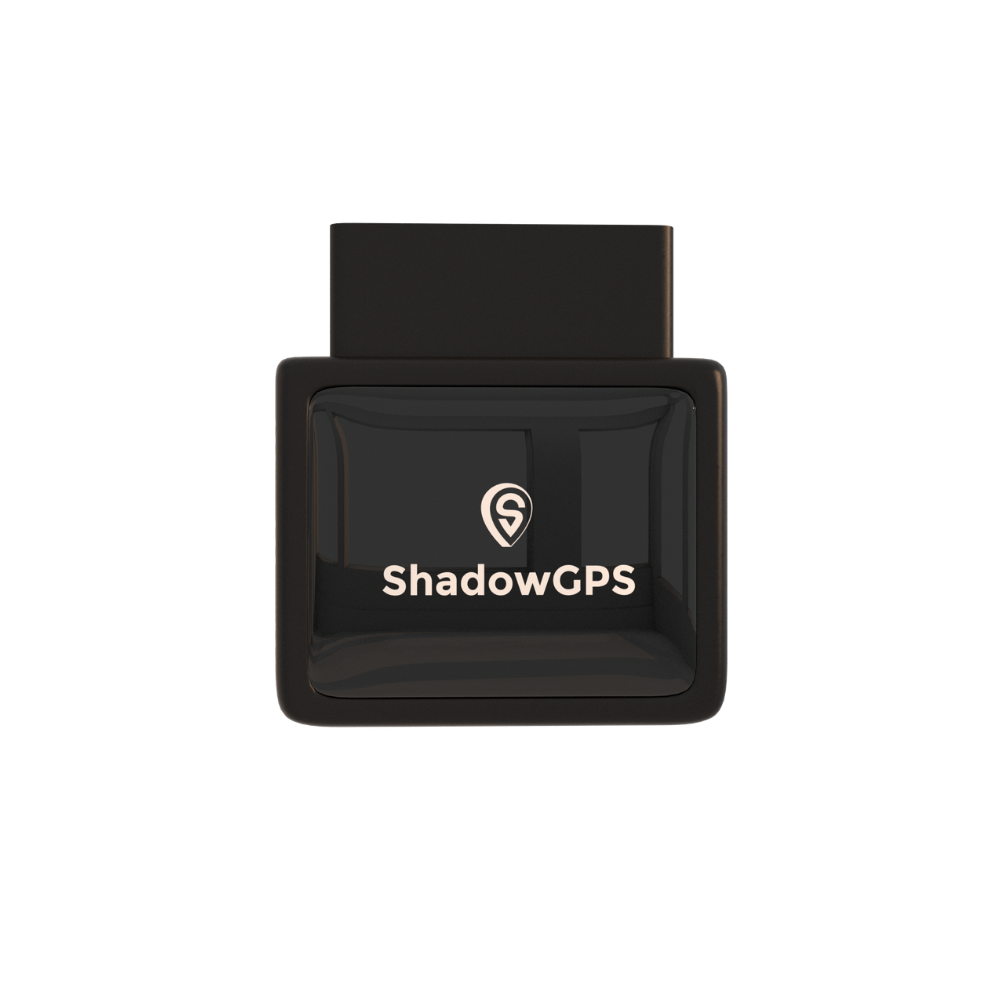
ShadowAuto
- Updates every 5 seconds while moving
- Trip timeline & trip replay for the drive out
- Car Alarm & vehicle diagnostics

If your vehicle doesn't have a usable OBD-II port, or you'd rather hide the tracker instead of plugging it in, ShadowTrack is the battery-powered version: a magnetic, weatherproof case you can mount almost anywhere on the vehicle in under 2 minutes, no wiring required.
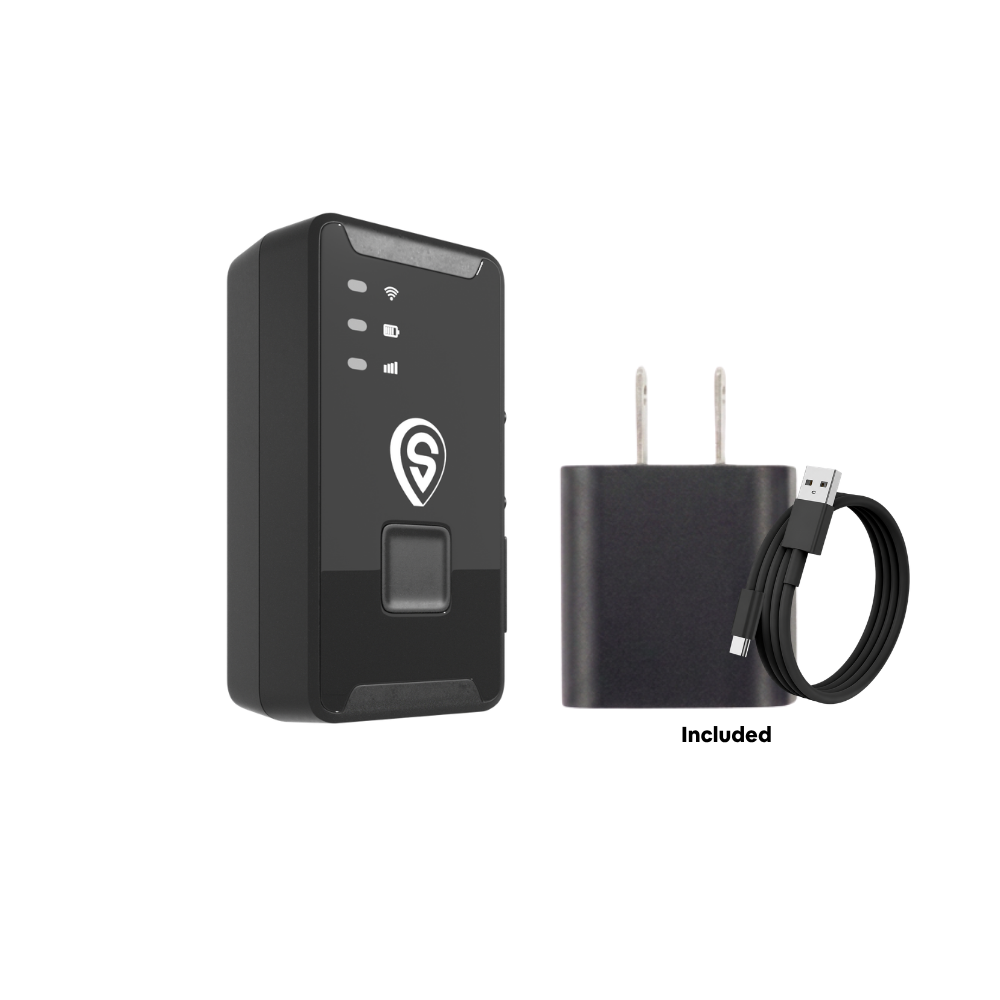
ShadowTrack
- Updates every 5 seconds while moving
- Weatherproof, magnetic mount
- Up to ~15 days per charge
To be direct about what this is and isn't: ShadowAuto and ShadowTrack are cellular trackers built for vehicles, not satellite devices built for a hiker's backcountry safety. Don't rely on either one to reach you once you're out of the car and past cell range; that job belongs to a satellite communicator like the picks above.
Comparison: Hiking GPS Trackers at a Glance
| Device | Connectivity | SOS / Two-Way Messaging | Est. Monthly Cost | Best For |
|---|---|---|---|---|
| Garmin inReach Mini 2 | Satellite (Iridium) | Yes | $15–$50/mo | Backcountry, multi-day trips |
| Garmin GPSMAP 67i | Satellite (Iridium) | Yes | $15–$50/mo | Navigation + SOS in one device |
| ZOLEO | Satellite / hybrid cellular | Yes | $20–$50/mo | Budget-conscious backcountry hikers |
| Family1st Portable | Cellular | No | $15–$25/mo | Day hikes with cell coverage |
| Garmin Enduro 3 | GPS watch, satellite optional | Depends on plan | Varies | Wearable form factor |
| ShadowGPS ShadowAuto / ShadowTrack | Cellular | No (vehicle tracker, not a hiking device) | $12–$15/mo | Tracking the car at the trailhead |
Choosing the Right GPS Tracker for Your Hike
Backcountry & Multi-Day Trips
Go satellite. A Garmin inReach Mini 2 or similar communicator is the only option here that keeps working once cell service disappears, with two-way SOS built in.
Day Hikes in Cell Coverage
A cellular tracker like Family1st is a lighter, cheaper way to share live location on state park trails and well-traveled routes near cities.
The Vehicle at the Trailhead
A car tracker like ShadowAuto or ShadowTrack covers the drive out and back, a separate risk from the hike itself, especially on remote forest service roads.
How Much Does a Satellite GPS Tracker for Hiking Cost?
Hardware for a satellite communicator typically runs $250–$450 upfront, with monthly plans from around $15 for a basic tracking-only tier up to $50 or more for unlimited messaging and SOS. Some brands also offer an annual freeze option so you're not paying year-round for a device you only use a few months a year.
Cellular hiking trackers are cheaper on both ends, usually $50–$150 for hardware and $10–$25 a month, but that lower cost comes with the trade-off of losing signal outside cell coverage entirely.
Frequently Asked Questions
What is the best GPS tracker for hiking?
For genuine hiking safety, especially in the backcountry, the Garmin inReach Mini 2 is the best overall pick because it sends two-way messages and SOS alerts over satellite, not cell towers. For day hikes with cell coverage, a lighter cellular tracker like the Family1st Portable is a reasonable, cheaper alternative.
Do hiking GPS trackers work without cell service?
It depends on the device. Satellite communicators like the Garmin inReach Mini 2, GPSMAP 67i, and ZOLEO work with zero cell service because they route through a satellite network instead. Cellular GPS trackers, including car trackers and budget hiking trackers, stop updating the moment you leave cell coverage.
What's the difference between a GPS tracker and a satellite communicator for hiking?
A basic GPS tracker records or shares your location, usually over cellular data. A satellite communicator does the same but over a satellite network, and typically adds two-way text messaging and an SOS button connected to a live emergency response center. For backcountry hiking safety, the satellite communicator is the meaningfully safer choice.
How much does a satellite GPS tracker cost per month?
Most satellite communicator plans run $15–$50 a month depending on how many messages and how much SOS coverage you need, on top of $250–$450 for the hardware itself. Several brands offer a lower-cost, tracking-only plan or a seasonal freeze option for hikers who only use the device a few months a year.
Can I just use my phone instead of a dedicated GPS tracker for hiking?
For a day hike on a trail with steady cell coverage, a phone with an app like AllTrails is often enough. Outside of coverage, though, a phone has no way to send an SOS or share your location at all, which is exactly the gap a satellite communicator is built to close.
Do hiking GPS trackers have an SOS button?
Satellite communicators almost always include an SOS button that connects to a 24/7 rescue coordination center, not just a contact on your phone. Cellular hiking trackers usually skip this feature, since it depends on a live cell connection that can't be guaranteed on a trail.
Can family members track my location while I hike?
Yes. Most satellite communicators and cellular trackers include a live-tracking link or app that family members can follow in real time, without needing to message back and forth. It's one of the most common reasons hikers add a device in the first place, so someone at home always knows roughly where they are.
Will a GPS tracker help if my car is left at a remote trailhead?
A hiking-focused satellite communicator won't, since it's built to travel with the hiker, not sit parked. For the vehicle itself, a plug-in car tracker like ShadowAuto tracks the drive to and from the trailhead and can alert you if the car is moved while you're out of range. It's a separate device solving a separate problem.
Final Verdict
The right GPS tracker for hiking depends entirely on where you hike. If there's any real chance you'll lose cell signal, and on most genuine hiking trails there is, a satellite communicator like the Garmin inReach Mini 2 is the one piece of gear worth the extra cost, because it's the only option that still works when everything else stops. For day hikes on well-traveled, in-coverage trails, a cheaper cellular tracker is a reasonable trade-off.
And if you're driving out to a remote trailhead to start that hike, don't forget the other half of the trip. Plug it in, see it move, cancel any time. No contract, ever.
Know where your car is. Every 5 seconds.
Plug it in, see it move, cancel any time. No contract, ever.
This guide reflects pricing, specifications, and product information published as of September 2026. Satellite and cellular subscription pricing are subject to change by each manufacturer. Amazon links are affiliate links; ShadowGPS may earn a commission at no extra cost to you.

