

Something has felt off. Maybe someone keeps showing up where you never told them you'd be. Maybe your car battery keeps dying for no reason you can explain. Maybe you just read a story about a hidden GPS tracker and started wondering about your own car.
You don't need a private investigator's toolkit to find out. This guide walks through exactly where trackers hide, how to search your car step by step, what the different types look like, and what to do the moment you find one, including when to stop and call someone before you touch it.
The fastest way to find a tracker on your car is a full physical search. Start with a flashlight and mirror under the car, in the wheel wells, and around the rear bumpers, since magnetic, battery-powered trackers are the most common type and cluster there. Then check the OBD-II port under the dashboard, the glove box, and the center console for anything plugged in or taped down that you didn't put there. A battery-powered tracker in standby mode won't show up on an RF or Bluetooth scan, so a hands-on physical search catches what a scanner alone will miss.
Signs Someone Might Be Tracking Your Car
If something feels off, it usually is. On its own, none of these signs proves there's a tracker on your car, but together they're a good reason to do the physical search below.
Behavioral Red Flags
People start showing up where you are without a clear reason. It might be a partner, a coworker, or someone you barely know, but they always seem to be nearby. Friends or family may also mention details about your routine that you never shared with them.
Technical Red Flags
Watch for unusual battery drain, Bluetooth or radio interference, or a car battery that keeps going dead faster than it should. Newer phones also flag this automatically: both iPhones and Android phones now push "unknown tracker" alerts when an unfamiliar Bluetooth accessory appears to be traveling with you over time, which is one of the fastest ways to catch a small, Bluetooth-based device without ever popping the hood.
You Noticed Something Odd During a Previous Inspection
Anything new under the car, behind a panel, or near the dashboard that you didn't put there yourself should raise suspicion. Hidden trackers are designed to blend in, but they usually leave a tell: fresh adhesive, a strip of Velcro, a zip tie that wasn't factory-installed, or wiring that looks newer than everything around it.
Where Hidden Trackers Are Usually Placed on a Car
Most tracking devices are placed somewhere they won't be noticed during everyday driving or a quick glance. This table covers the spots worth checking first, both outside and inside the car.
| Area | Specific Spot | What to Look For |
|---|---|---|
| Exterior | Undercarriage / metal frame | Magnetic boxes, Velcro pads, anything with a non-factory shape |
| Exterior | Wheel wells | Devices tucked behind liners, fresh dirt disturbance, signs of tampering |
| Exterior | Rear bumpers & bumper cavities | Small devices wedged into gaps or openings |
| Exterior | Spare tire well / trunk underside | Boxes tucked beside or under the spare tire |
| Exterior | Engine bay | Heat-resistant enclosures, anything wired that doesn't match factory harnesses |
| Interior | Under seats & floor mats | Taped-down devices, loose panels, non-standard hardware |
| Interior | Glove box & center console | Small electronic boxes, blinking lights, an extra plug you don't recognize |
| Interior | Fuse box | Wires spliced in near the fuse panel, an added inline connector |
| Interior | Steering column & steering wheel area | Loose trim, extra wiring near the column, tampered plastic panels |
| Interior | Under dashboard near the OBD-II port | A device plugged directly into the port, or wiring not originally there |
How to Find a Tracker on Your Car: Step-by-Step
You don't need special equipment to start checking your car for a hidden tracker, but working through it in order makes the search faster and a lot less likely to miss something.
Step 1: Gather a Flashlight, Mirror, and Gloves
A bright flashlight and a small inspection mirror on a handle let you see up into the undercarriage and behind panels without having to lift the car. Gloves are worth having on hand too, mainly so you don't smudge or lose any fingerprints or markings if the device ends up being evidence later.
Step 2: Physically Search the Exterior
Get down and look. Run your hand and the flashlight along the metal frame, the undercarriage, both rear bumpers, and each wheel well. Strong magnets are how most battery-powered trackers attach to a car, so feel for anything that grips the frame harder than it should, and check the spare tire well while you're back there. This physical inspection step alone catches the majority of aftermarket trackers, because most of them are magnetic and mounted somewhere on the exterior.
Step 3: Check the Engine Bay
Pop the hood and look for anything wired in that doesn't match the rest of your car's factory harnesses. A hardwired tracker connected directly into your car's electrical system sometimes taps power near the battery or fuse box under the hood rather than inside the cabin.
Step 4: Search the Interior
Work through the glove box, center console, under every seat, behind the fuse box cover, and around the steering column. Pull back any loose plastic panels or trim that doesn't sit flush, since that's a common sign a panel has been removed and reinstalled after a tracker was hidden behind it.
Step 5: Inspect the OBD-II Port
Look under the dashboard, usually near the steering wheel, for the OBD-II port. Many plug-and-play trackers connect directly here because it's fast to use and draws power without any wiring work. If something is plugged into the OBD port that you didn't put there, note any brand markings before you unplug it.
Step 6: Scan with an RF Detector or Bug Detector
An RF detector picks up the radio frequency signals that active, transmitting trackers send out. Slowly sweep it through the cabin, the trunk, and the undercarriage; a light or beep that gets stronger in one spot is worth a closer physical look. Keep in mind an RF detector only catches devices that are actively transmitting right now, which brings us to the next step.
Step 7: Check Your Cell Phone for Unknown Tracker Alerts
Both iOS and Android now scan for unknown Bluetooth accessories traveling with you and will surface an alert if one is detected. It's not foolproof, since it only catches Bluetooth-based devices and won't flag a cellular or hardwired tracker, but it takes under a minute and is worth doing every time you check.
Step 8: Call a Professional for a Full Electronic Sweep
If you've searched everywhere and still suspect something, a professional can run a more thorough electronic sweep with commercial-grade equipment. Private investigators and some auto shops and security firms offer this as a standalone service, and it's the right call if the stakes are high enough that you need certainty, not just a good-faith search.
Types of GPS Trackers (and Why Some Are Harder to Find)
Not every tracker works the same way, and knowing the difference changes how you search for one and how hard it'll be to spot.
Active vs. Passive Trackers
An active tracker transmits real-time location data over a cellular network as it happens, which is what shows up on a web dashboard or app. A passive tracker, sometimes called a data logger, just stores location history internally with no signal going out at all, meaning someone has to physically retrieve the device to see where the car has been.
Hardwired GPS Trackers
Hardwired units are connected directly to your car's electrical system, usually tucked behind a dashboard panel or near the fuse box. Because they draw power straight from the car battery, they never need charging and are built for long-term, always-on tracking. They're also the hardest type to remove safely, since pulling the wrong wire can affect other systems, which is why a hardwired tracker is often a job for a professional rather than a DIY removal.
Battery-Powered / Portable Trackers
These are self-contained, portable trackers that typically use strong magnets to attach to any metal surface on the car, no wiring required. Battery life varies a lot by how often the device transmits, from a few days on frequent, real-time settings up to a couple of months when it's mostly sitting in standby mode. Eventually the battery dies and the tracker goes silent on its own, which is part of why they're popular for short-term or one-off use.
OBD-II Trackers
OBD-II trackers plug straight into the OBD port under the dashboard, the same port a mechanic uses to pull diagnostic codes. They draw power directly from the car, so there's no battery to manage, but they stop transmitting the instant they're unplugged, which also makes them the easiest type to remove yourself once you've found one.
Bluetooth Trackers & Data Loggers
Small, low-power devices like Bluetooth tags rely on a nearby cell phone or network of other phones to relay their location, so their effective range is short compared to a cellular tracker. They're inexpensive and widely available, which is exactly why phone-based unknown tracker alerts have become a standard feature on modern phones.
| Tracker Type | Power Source | Typical Battery Life | How It's Usually Found |
|---|---|---|---|
| Hardwired | Car's electrical system | Unlimited while connected | Visual inspection behind panels, near fuse box or steering column |
| Battery-powered / magnetic | Internal rechargeable battery | Days to a few months | Physical search of undercarriage, wheel wells, bumpers; RF detector if active |
| OBD-II plug-in | Vehicle-powered via OBD port | Unlimited while plugged in | Visual check under the dashboard near the steering wheel |
| Bluetooth tag / data logger | Small internal battery | Weeks to months | Phone's unknown tracker alert; physical search for passive loggers |
Why a "Sleeping" Tracker Won't Show Up on a Scan
Many battery-powered trackers spend most of their time in a deep sleep or standby mode to save power, only waking up to transmit a location update every few minutes or when the car starts moving. If you run an RF detector or a phone scan while the device happens to be dormant, it will look completely clean, even though a tracker is sitting a few feet away. That's the main reason a physical, hands-on search of the common hiding spots still matters more than any scanner on its own.
What to Do If You Find a Tracker on Your Car
Finding a tracker on your car is unsettling. What you do next depends on the type of device, who might have placed it, and whether the situation carries any personal safety risk.
Document It Before You Touch It
Photograph the device exactly where you found it, along with any brand name, model number, or serial number printed on the case. This record matters if you end up filing a police report or need it for a legal case later, and it costs you nothing to do before you go any further.
Decide Whether to Remove It Right Away
Removing a tracker isn't always the first move. If the situation involves harassment, stalking, or domestic violence, contact law enforcement or a domestic violence advocacy organization before touching the device. Some trackers notify the person monitoring them the moment they're disconnected or moved out of range, which could escalate risk to your personal safety before you've had a chance to get support in place.
File a Police Report
In many states, placing a tracker on someone's car without their consent is against the law. If you didn't authorize the device, your local police department can document it, log it as evidence, and advise you on next steps, including whether it connects to a broader stalking or harassment case.
Talk to a Lawyer If Needed
Some situations call for legal guidance beyond a police report, especially if the tracker was placed by an employer, landlord, ex-partner, or anyone else with shared or prior access to your car. A lawyer can walk you through your rights and the right way to respond.
How to Remove Each Type Safely
An OBD-II tracker unplugs in seconds, just like unplugging any accessory from the port. A battery-powered magnetic tracker usually peels off by hand once you've found it. A hardwired tracker is the one to leave alone unless you're confident about your car's wiring, since it's connected directly into the electrical system and removing it incorrectly can affect other components; this is the case where paying a professional to remove the device safely is worth it.
Is It Legal to Put a GPS Tracker on a Car?
When Tracking Is Legal
Tracking a car you own is legal in every U.S. state, whether you're monitoring it yourself, keeping tabs on a teenager who drives it, or watching a car you rent out, like a Turo listing. Employers can legally track a company car too, as long as employees are informed, and law enforcement can place a tracker on a suspect's vehicle when they have a warrant.
When Tracking Crosses the Line
Placing a tracker on someone else's car without their knowledge or consent is illegal in most states. California's Penal Code 637.7, for example, makes it a crime to use an electronic tracking device to determine someone's location or movement without consent, with an explicit carve-out for employers tracking company vehicles with notice, and for the vehicle's own registered owner. Exact rules vary by state, so it's worth checking your local law if you're unsure which side of the line a situation falls on, but the pattern nationally is consistent: your car, your call; someone else's car requires their consent.
This isn't a hypothetical concern. According to the CDC's National Intimate Partner and Sexual Violence Survey, an estimated 15.6% of female stalking victims and 29.3% of male stalking victims reported that a stalker used GPS or another location-tracking technology to monitor them without permission. If you believe you're one of them, the documentation and reporting steps above are there to help, and reaching out to a domestic violence advocacy organization is always a reasonable next move, even before you've decided what to do about the device itself.
How to Prevent Future Tracking
Finding and removing a tracker solves today's problem. A few habits make it a lot less likely to happen again.
Make Physical Inspection a Habit
Check the usual hiding spots, wheel wells, bumpers, undercarriage, glove box, and the OBD port, during routine stops like an oil change or car wash. Catching a tracker early limits how much location data anyone collects on you.
Secure Access to Your Car
Keep your car locked, even parked in your own garage, and limit who holds a spare key. If you use valet service or lend the car out, a quick physical search afterward takes two minutes and rules out anything new.
Keep an RF Detector Handy
A consumer RF detector won't catch a dormant device, but it's a fast first check for anything actively transmitting, and it's worth keeping in the glove box if you've dealt with tracking before.
Legitimate Tracking vs. Hidden Surveillance: Know the Difference
Everything above is about finding a tracker someone else placed on your car without asking. There's a completely different, legal side to GPS tracking: knowing where your own car is, on your own terms, with a device you chose and control. That's theft prevention and theft recovery, not surveillance, and it's the reason products like ShadowGPS exist in the first place.
A parent tracking a teen driver, a Turo host keeping tabs on a rental, and a small fleet manager watching a handful of company cars are all doing the same legal thing: tracking a car they own or are responsible for. The difference between that and everything in this guide is consent and ownership, not the technology itself.
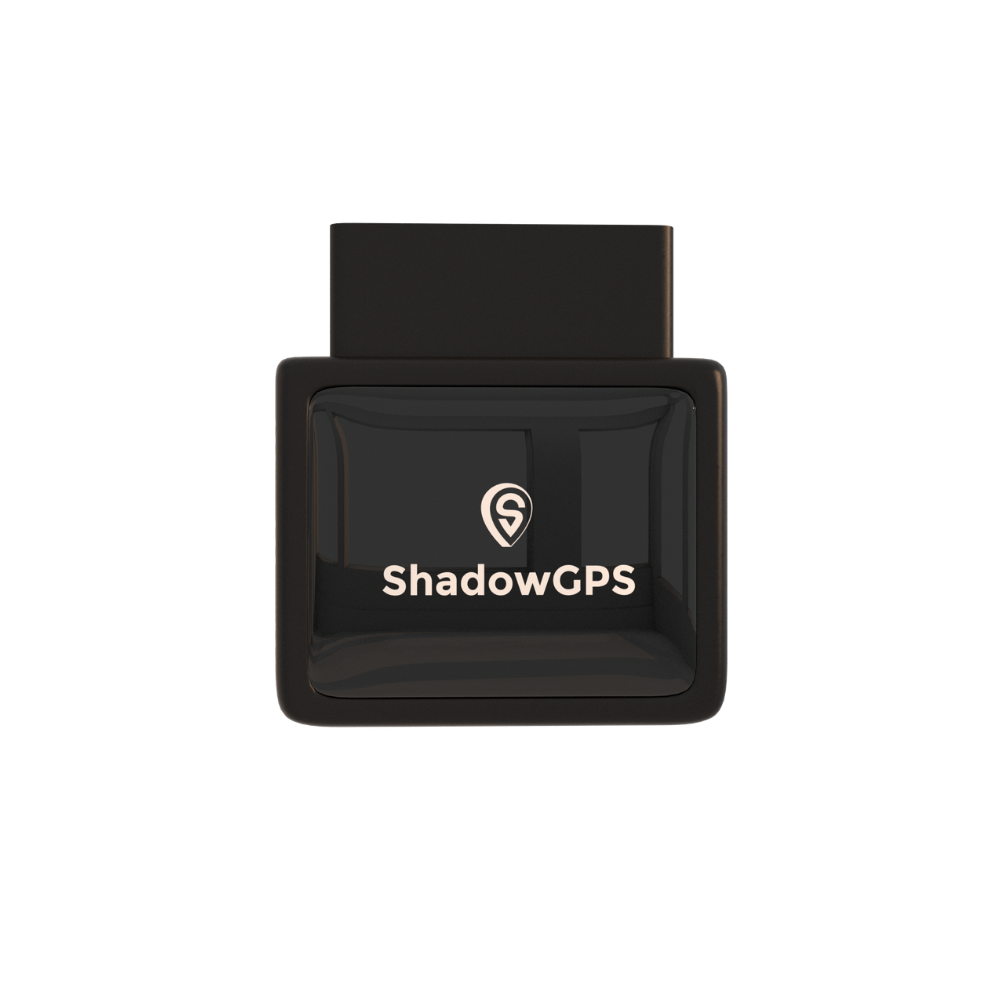
ShadowAuto
- Updates every 5 seconds while moving
- Trip timeline & trip replay
- Car Alarm & vehicle diagnostics
 Buy Now on Amazon
ShadowAuto plugs into the same OBD-II port covered in the detection steps above, in under 2 minutes, no tools needed. It draws power from your car the same way an OBD tracker would, but instead of finding out about it by accident, you're the one who plugged it in, and you're the one who sees the web dashboard.
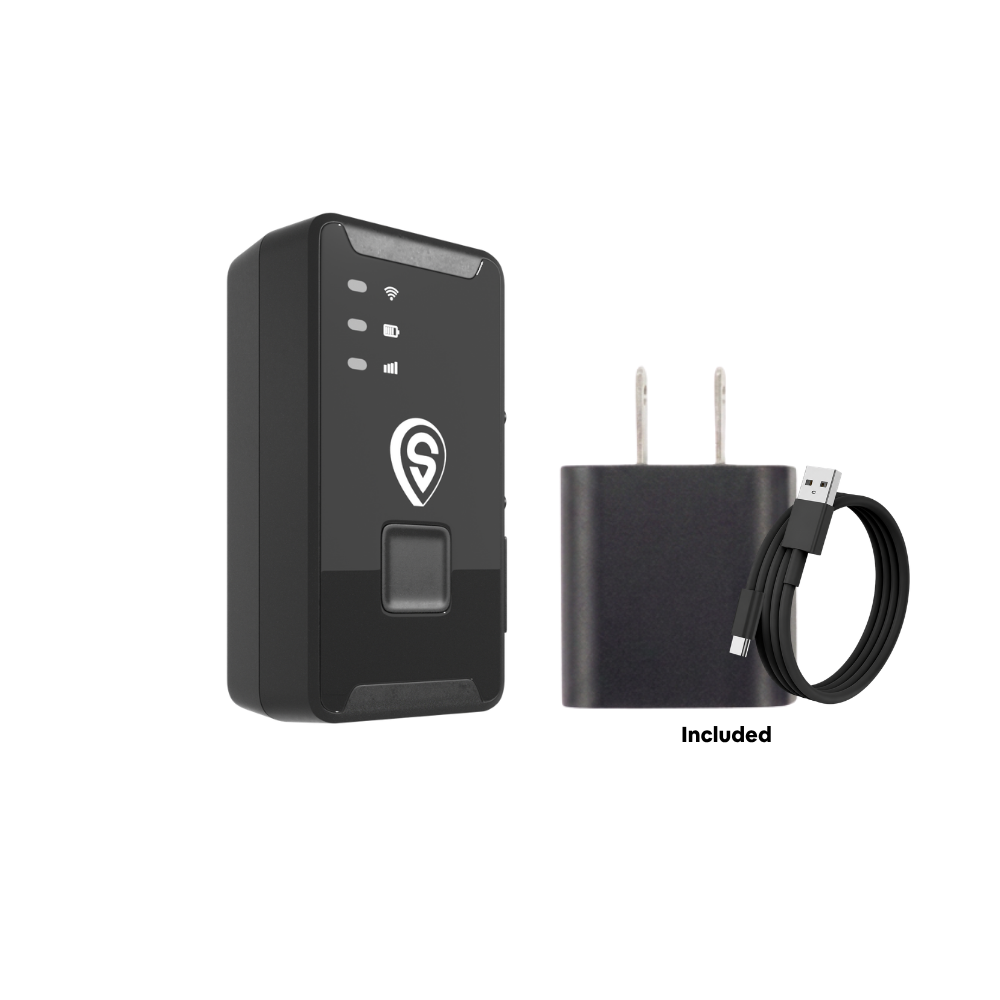
ShadowTrack
- Updates every 5 seconds while moving
- Weatherproof, magnetic mount
- Up to ~15 days per charge
For a trailer, a piece of equipment, or any vehicle without an OBD port worth using, ShadowTrack is the same idea in a portable, magnetic-mount case: your battery-powered tracker, on your terms, with a full charge lasting around 15 days.
Frequently Asked Questions
How do I know if my car has a tracker on it?
Watch for behavioral red flags like people showing up where you didn't tell them you'd be, and technical ones like unusual car battery drain or an unknown tracker alert on your phone. From there, a full physical search of the undercarriage, wheel wells, bumpers, glove box, and OBD-II port is the most reliable way to confirm it either way.
What does a GPS tracker look like on a car?
Most are small, plain black or gray plastic boxes, roughly the size of a deck of cards or smaller, sometimes with a magnetic base. An OBD-II tracker looks like a small plug-in device sitting in the OBD port under the dashboard; a hardwired tracker is usually just visible as an extra wire spliced in behind a panel.
Can a GPS tracker be found with a phone?
Partially. Both iPhones and Android phones can alert you to an unknown Bluetooth tracker traveling with you, which catches small Bluetooth-based devices. It won't detect a cellular, hardwired, or dormant battery-powered tracker, so a phone scan should be one step in a search, not the whole search.
Will a battery-powered tracker show up on a Bluetooth or RF scan?
Only if it's actively transmitting at that moment. Many battery-powered trackers spend most of their time in a deep sleep or standby mode to save battery life, and a device that's dormant won't register on any scanner. That's why a hands-on physical search of common hiding spots still matters more than any single scanning tool.
How long does a battery-powered GPS tracker last?
It depends heavily on how often it transmits. A tracker sending real-time location data constantly may last only a few days before the battery dies, while one that mostly sits in standby mode and only wakes up periodically can run for a couple of months on a single charge.
Is it illegal to put a GPS tracker on someone's car?
Yes, in most states, if you place it on a car you don't own without the owner's consent. California Penal Code 637.7 is one example that makes this a crime, with exceptions for the vehicle's owner, an employer tracking a company car with notice, and law enforcement acting under a warrant. Rules vary somewhat by state, so check your local law if you're unsure.
What should I do if I find a GPS tracker on my car?
Photograph it in place before touching it, then decide whether to remove it right away. If the situation involves harassment, stalking, or domestic violence, contact law enforcement or a domestic violence advocacy organization first, since removing or moving the device could alert whoever placed it. Otherwise, file a police report and consider talking to a lawyer, especially if the tracker was placed by an employer, landlord, or ex-partner.
Do GPS trackers drain the car battery?
A hardwired or OBD-II tracker draws a small, continuous amount of power from your car's electrical system, similar to a clock radio, which typically isn't enough to drain a healthy car battery even over weeks of parking. A battery-powered tracker runs on its own internal battery and doesn't touch your car's power at all.
Take Back Control of Your Privacy
Hidden trackers are more common than most people think, and they're built to hide in plain sight: under the car, inside a panel, or plugged into a port you rarely look at. Working through a full physical search, knowing what each type of device looks like, and understanding where the legal line sits are the three things that put you back in control.
ShadowGPS builds tracking tools for people who need to know where their own car is, not for watching someone without their knowledge. Our devices are easy to plug in, simple to manage, and designed to put you in control, not take it away.
Know where it is. Every 5 seconds.
Plug it in, see it move, cancel any time. No contract, ever.
This guide reflects pricing, legal information, and statistics published as of August 2026, and pricing is subject to change; confirm current plan pricing before purchasing. Amazon links are affiliate links; ShadowGPS may earn a commission at no extra cost to you. Tracking laws vary by state and can change; consult a lawyer or your local police department for guidance specific to your situation. If you believe you're a victim of stalking or domestic violence, contact your local law enforcement or a domestic violence advocacy organization.

