

A driver glances at a text for three seconds and drifts into the next lane. Nobody's hurt, but the company's insurance costs, reputation, and one driver's confidence behind the wheel all take a hit anyway.
That's why fleet safety matters, whether you run fifty trucks or two work vehicles and a Turo rental. This guide covers what an effective fleet safety program includes and the tips that turn a plan into a daily habit for drivers and fleet managers alike.
Fleet safety is the policies, training, maintenance, and technology a company uses to reduce accidents and liability across its vehicles and drivers. An effective fleet safety program combines written vehicle safety policies, driver training, preventive maintenance, and vehicle telematics that flag risky driving among drivers before it becomes a collision.
What Does "Fleet Safety" Mean?
Fleet safety means keeping every vehicle, and every driver behind the wheel of one, as safe as possible. A "fleet" is simply any group of vehicles a company or owner operates, whether that's two trucks or two thousand.
Fleet safety means preventing crashes, injuries, and vehicle failures before they occur. It protects drivers, pedestrians, and other motorists who share the road with a company's vehicles every day.
What Is a Fleet Safety Program?
A fleet safety program is a company's formal, comprehensive system for managing risk: the policies, training, inspections, and technology that keep drivers and vehicles safe, instead of reacting to accidents one at a time.
The Core Elements of a Fleet Safety Program
- Written policies: A fleet safety policy that spells out expectations for drivers, vehicles, and inspections.
- Driver screening and training: Background checks before hiring, plus ongoing coaching.
- Preventive maintenance: A schedule that catches small problems, protecting vehicle health and keeping drivers safer.
- Technology: Telematics that give fleet managers efficient access to driving behavior data instead of guesswork.
- Incident response: A documented set of procedures for reviewing what happened whenever an incident occurs.
A formal fleet safety program also tends to improve employee satisfaction and employee health, since drivers and employees who feel supported stay longer, perform better, and bring real benefits to every department.
Why Fleet Safety Should Be a Priority
Maintaining safety objectives is core to any transportation business, protecting vehicles and drivers alike. Nearly 94-95% of serious collisions trace back to human error, exactly the kind of risk a fleet safety program is built to reduce. Distracted driving compounds that risk: surveys suggest roughly 70% of commercial fleets have felt the effects of distracted driving, from cell phone usage to simple inattention behind the wheel.
Accidents carry direct and indirect costs. The average fleet vehicle accident claim runs around $70,000 once repairs and lost productivity are added up, and the total climbs further after a serious injury. Preventive maintenance, fewer repairs, and a documented fleet safety program reduce those costs over time.
Compliance helps a company avoid costly fines and even shutdowns, drawing on rules from OSHA and the DOT. A fleet safety policy that accounts for state and federal regulations protects the company, its employees, and its customers, and helps everyone get home safely.
Essential Tips for Enhancing Fleet Safety in Your Organization
Here are the practices fleet managers use to create a safer, higher-performance fleet with better efficiency, regardless of size.
1. Put Vehicle Safety Policies in Writing
A comprehensive policy for every fleet vehicle should cover seat belt use, distracted driving, and speed limits in plain language, one of the most important considerations for keeping injury risk low and creating safe drivers on the job.
2. Screen, Train, and Coach Drivers Continuously
Screen new hires carefully and keep coaching drivers well past onboarding. Ongoing training should identify performance gaps, cover defensive driving and emergency procedures, and give your team the skills to stay aware behind the wheel.
3. Tackle Distracted Driving and Driver Fatigue
Distracted driving behaviors, texting, cell phone usage, are among the most preventable causes of accidents. Driver fatigue is just as dangerous, so managing hours of service protects drivers, and addressing night driving in your fleet safety policy matters too.
4. Use Vehicle Telematics to Coach Drivers
Telematics can track speed, harsh braking, and rapid acceleration as they happen, and dashcams can identify distracted or drowsy driving before it turns into a collision that endangers drivers. Artificial intelligence can now coach drivers in real time, flagging risky driving the moment it happens.
5. Keep Up Preventive Maintenance
Daily inspections and documented maintenance procedures catch small problems before they cause a breakdown, cutting downtime, boosting efficiency, and lowering long-term costs.
6. Build a Safety-First Culture
Let drivers and employees report hazards without fear of retaliation, and create incentives that recognize safe drivers for accident-free driving.
7. Stay Current on Regulations
Keep electronic logging records accurate across all vehicles and review fleet safety policies whenever regulations change. A program built around compliance from the start rarely needs a costly scramble later.
Common Fleet Safety Risks and How to Reduce Them
A quick reference for the risks that show up most across fleet vehicles and drivers.
| Risk | Why It Matters | How to Reduce Risk |
|---|---|---|
| Distracted driving | A leading cause of preventable collisions | Written cell phone usage policy, coaching |
| Driver fatigue | Slows reaction time like impairment | Enforce hours of service, monitor schedules |
| Deferred maintenance | Leads to breakdowns on the road | Preventive maintenance, daily inspections |
| Untrained drivers | Higher collision and liability risk | Background checks, ongoing training |
| Non-compliance | Fines and possible shutdowns | Policies aligned to current regulations |
| No visibility into driving | Risky habits go unnoticed | Telematics and real-time alerts |
Two ShadowGPS devices fit almost any fleet safety plan, built for owner-operators and small fleets rather than enterprise ELD needs.
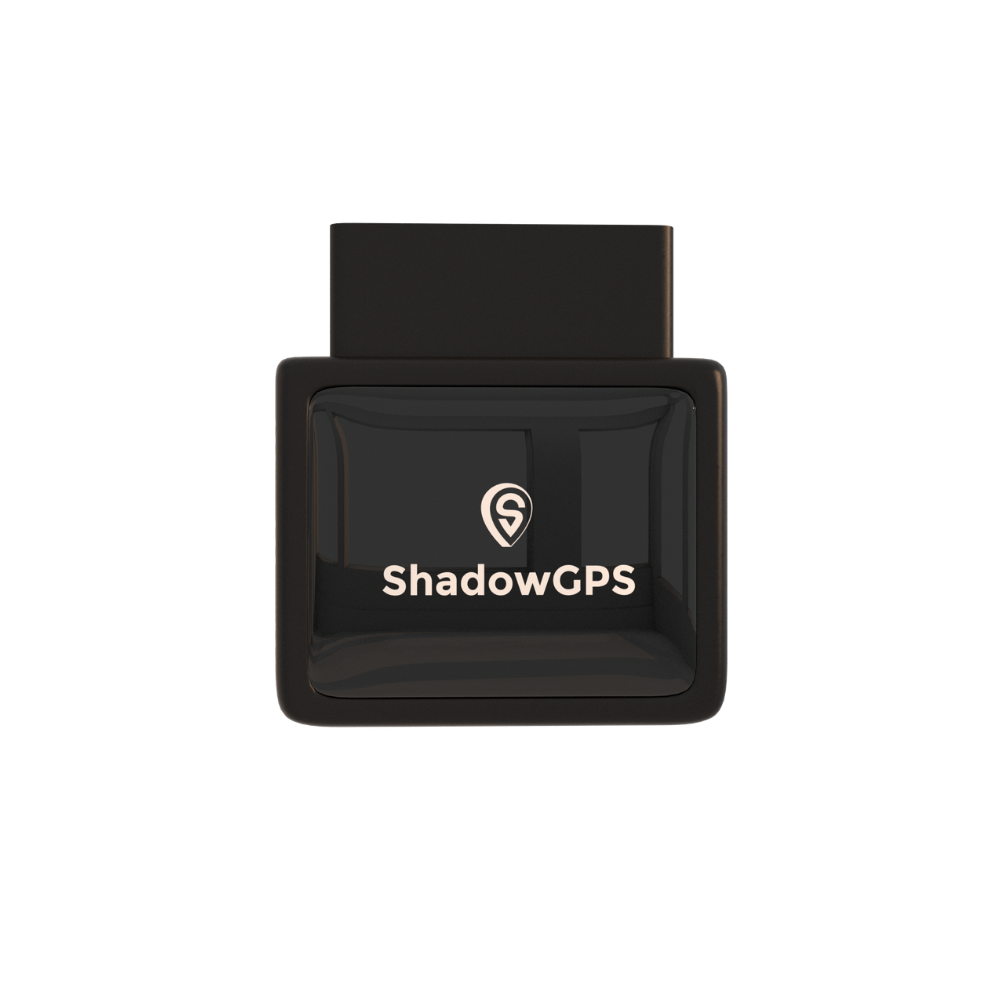
ShadowAuto
- Real-time location for every fleet vehicle
- Speed alerts to help coach drivers
- Plugs in under 2 minutes, no installer
 Buy Now on Amazon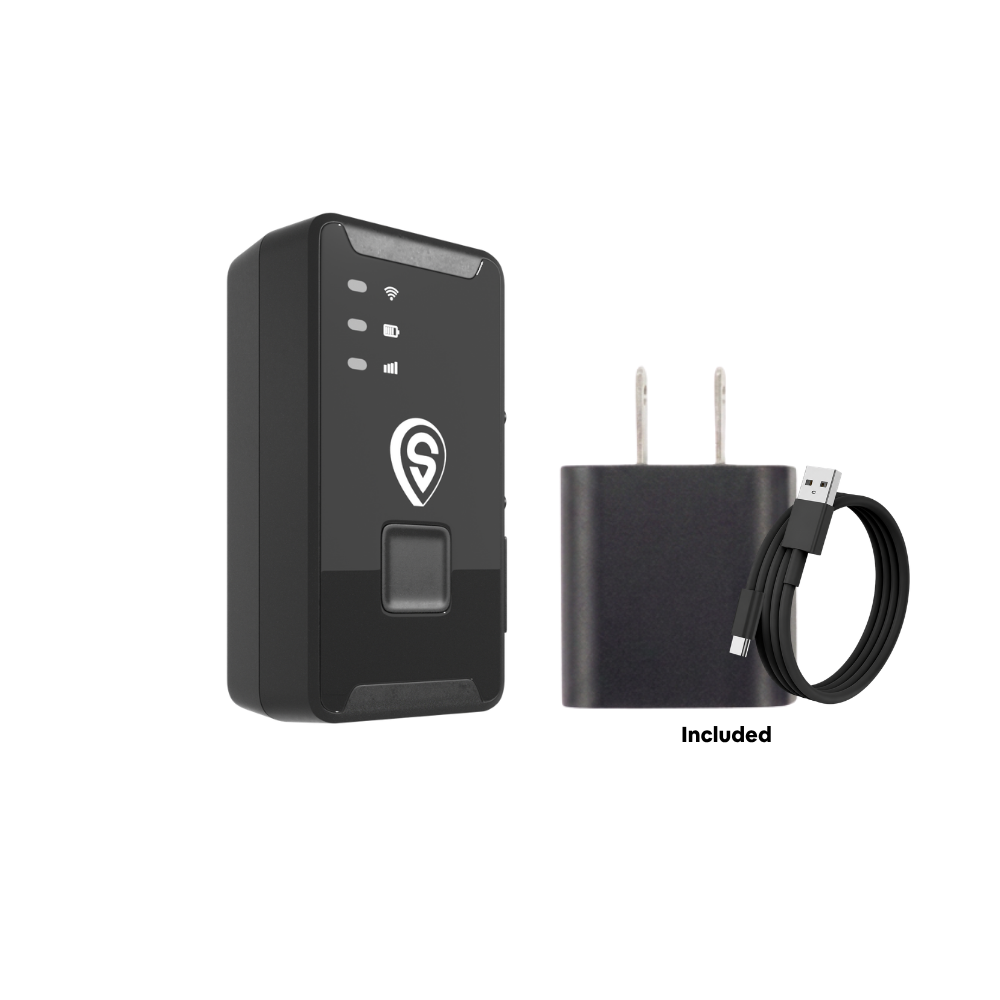
ShadowTrack
- Weatherproof, magnetic case for hidden mounting
- Up to 15 days of battery life per charge
- Same 5-second refresh and speed alerts
Large enterprise fleets need dedicated software built for that scale. For a small fleet owner-operator running 2 to 5 vehicles, vehicle telematics adds real-time location and speed alerts that help a fleet manager coach drivers without a long-term contract. ShadowGPS also respects driver privacy: alerts focus on driving behavior, not personal messages or calls, keeping drivers comfortable.
Frequently Asked Questions
What does fleet mean?
A fleet is any group of vehicles owned or operated by the same company or individual, from two trucks to several thousand.
What does "fleet safety" mean?
Fleet safety means the policies, training, and technology used to prevent accidents, injury, and vehicle failure across a company's fleet while protecting its drivers from liability.
What is a fleet safety program?
A documented system of policies, training, maintenance, and monitoring that a company uses to reduce risk and prevent accidents across its fleet.
What are the 5 pillars of fleet management?
People, vehicle acquisition, funding, operations, and compliance, five key considerations that shape how a fleet performs.
What does it mean to be fleet safety certified?
It means a fleet manager has completed a recognized safety course, like NAFA's, covering regulations and accident investigation.
What is the most important piece of a fleet safety program?
Leadership commitment, backed by a written policy everyone actually follows.
Who is the largest fleet management company?
Enterprise Fleet Management, ranked largest in the U.S. by vehicles managed, though rankings shift year to year.
The Payoff of Getting Fleet Safety Right
This doesn't occur by accident. Fleet managers who invest in drivers, vehicles, and support services help create a company that stays compliant, and the benefits show up quickly. Customers notice when drivers and vehicles show up on time and drive safely, and employees notice too, a reputation that protects lives.
Fleet Safety Is a Habit, Not a Binder
An effective fleet safety program is written policies that get followed, drivers who get coached, maintenance on schedule, and technology that catches unsafe habits early. Get those pieces working as a team, and fleet safety stops being a checklist and starts doing its job: protect drivers and the company, and save lives.
Real-time visibility. Real fleet safety.
See every vehicle, coach every driver, cancel any time. No contract, ever.
Statistics on accident costs and human error reflect industry surveys published as of 2026 and may change; confirm current safety rules with OSHA, the DOT, or your state before finalizing a policy.

