

Somewhere around 11pm, a parent checks their phone for the third time in ten minutes. Their teenager left for a friend's house an hour ago and hasn't texted back. An adult child two states away wonders, again, whether their mother made it home from her evening walk. A caregiver double-checks a door alarm because the person they look after has wandered off before.
Those are the moments a GPS tracker for a person is actually built for: small devices that answer one plain question, fast, so the people who love someone can stop guessing and start knowing.
This guide walks through how personal GPS tracking devices actually work, which ones are worth buying in 2026, what a genuinely hidden GPS tracker for a person looks like, and where the legal line sits, because that line matters more than any spec sheet.
The right GPS tracker for a person depends on who's wearing it. AngelSense leads for children with special needs and adults with dementia, thanks to continuous real-time tracking (about 24 hours of battery per charge). ShadowGPS Portable & Family1st Portable GPS Trackers are the strongest all-around personal tracker, with up to 14 days of battery life and no long contract. SPOT Trace is the pick for remote areas with no cell signal at all. And if what you're actually trying to watch is a car a teen drives or a Turo rental, not a person, a vehicle tracker is the simpler, fully legal route since you own the car or truck.
ShadowAuto and ShadowTrack
Every pick further down this page is a wearable, and a wearable is what you need when the person is the one who might go missing. Plenty of people searching for a personal tracker are actually trying to keep track of a car, though: the one a new teen driver takes out, a family truck, or a Turo rental between bookings. That job has a far simpler answer, and a far simpler legal picture, because the car is yours. Our two trackers update every 5 seconds while the vehicle is moving, on every plan, with no contract, ever.
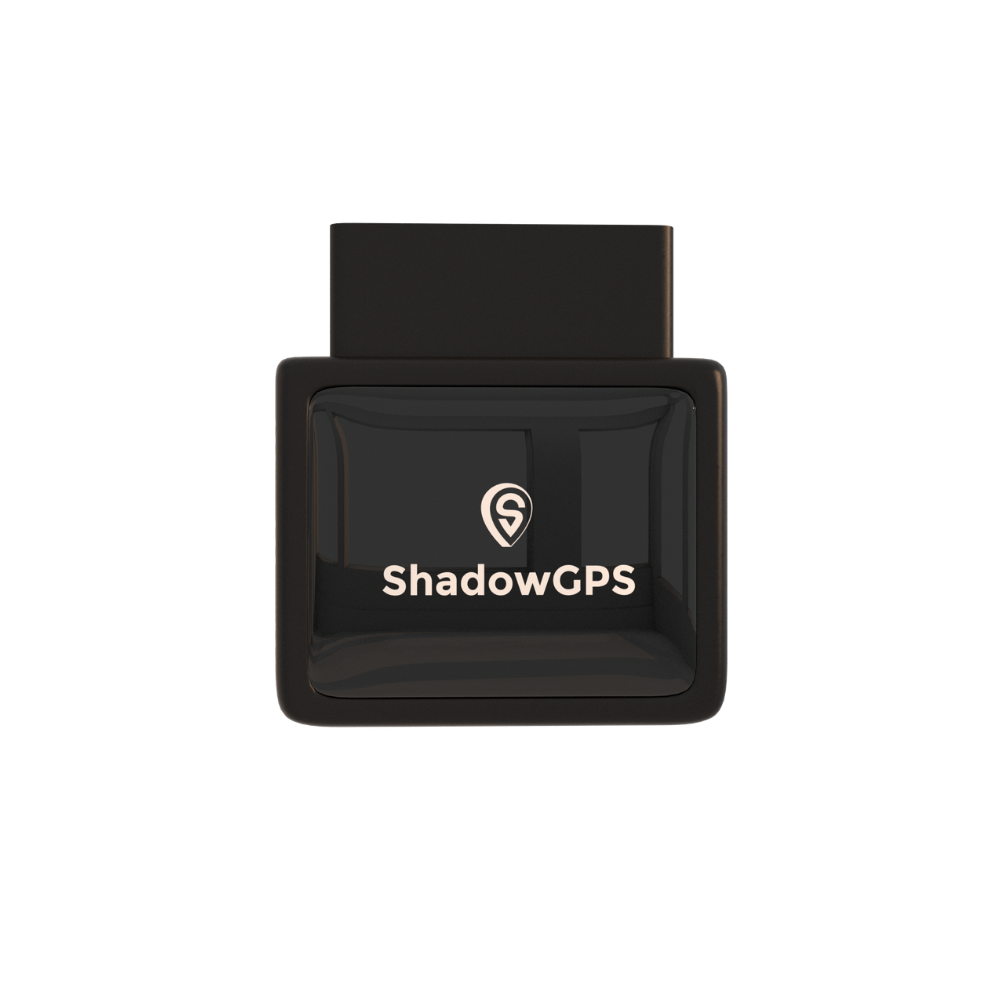
ShadowAuto
- Plugs into the OBD-II port in under 2 minutes, no tools
- Trip timeline and trip replay
- Car Alarm and vehicle diagnostics

No OBD-II port worth using, or you'd rather hide the tracker on the car than plug it in? ShadowTrack is the battery-powered version, in a weatherproof magnetic case that holds about 15 days per charge.
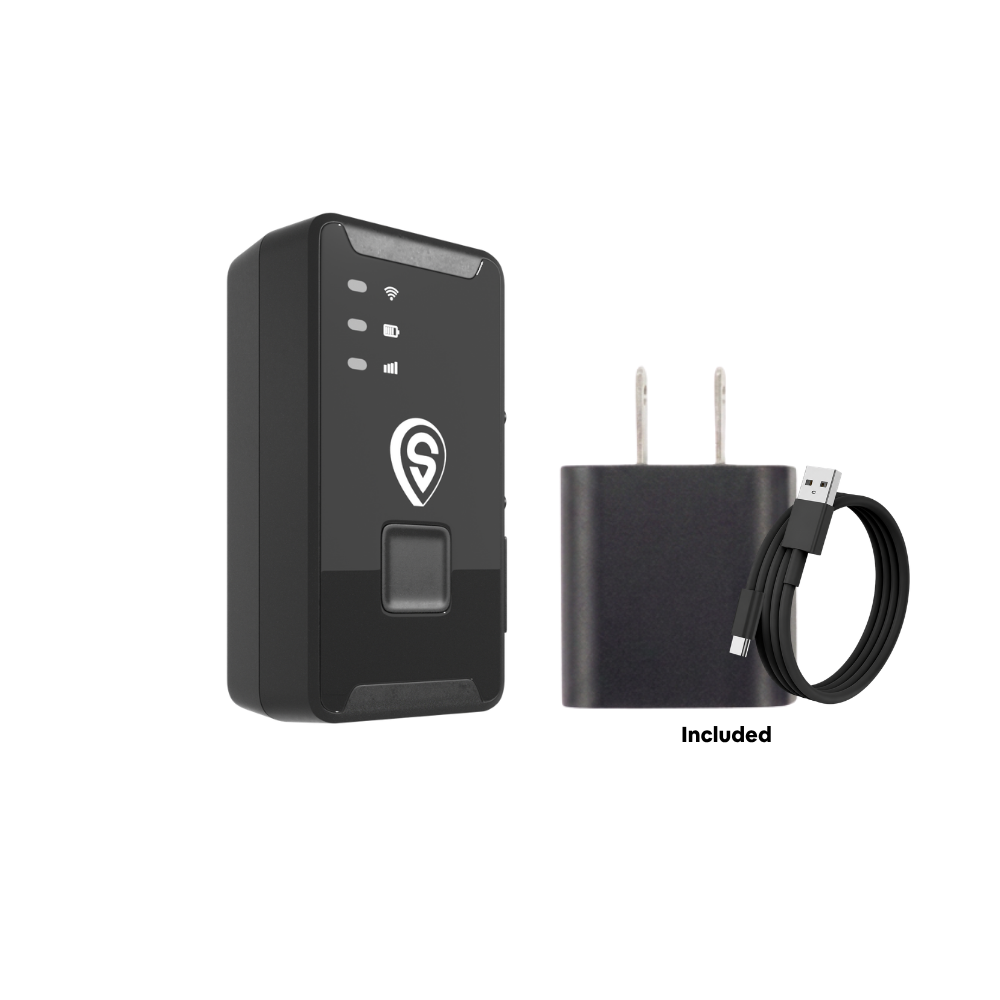
ShadowTrack
- No OBD port needed, mounts in seconds
- Weatherproof magnetic case, moves between vehicles
- Up to ~15 days per charge
Best for: knowing where your own car, truck or loved one, right now.
What Is a GPS Tracker for a Person?
A GPS tracker for a person is a small, battery-powered gps device built to be worn, carried, or tucked into a bag rather than bolted to a car. It uses the same underlying technology as a car tracker: GPS satellites for positioning, plus a cellular network (or, in remote spots, a satellite network) to send that location data to an app on someone's phone.
What separates a good personal gps tracker from a repurposed asset tracker is design. A device meant for a person needs to be comfortable to wear for hours, light enough to forget about, and durable enough to survive a backpack, a school day, or a rainy walk. A tracker built for a truck bed doesn't have to worry about any of that.
Personal Tracker vs. Vehicle or Asset Tracker: The Real Difference
Asset and vehicle trackers are usually powered by the thing they're attached to, so battery life is rarely a concern. Personal trackers can't do that. Every personal tracking device on the market is a tradeoff between size, battery life, and how often it checks in, which is why the "best" one really depends on the situation, not a single winner.
How Personal GPS Tracking Devices Actually Work
Every gps tracker starts the same way: its GPS receiver locks onto signals from multiple satellites in global satellite tracking networks (GPS, and often GLONASS or Galileo) to calculate a precise position, typically to within a few feet outdoors under open sky.
From there, the device needs a way to send that location data somewhere useful. Most personal gps tracking devices lean on one of three network types:
Cellular Networks
The most common setup. The tracker uses a cellular network (often an embedded SIM) to send location updates to an app in near real time, anywhere there's coverage. Most dedicated GPS trackers require a monthly service plan for this.
Satellite Networks
For remote travel and off-grid gear, satellite networks keep a tracker reporting in even when there's no cell tower for miles. SPOT Trace is the best-known example built specifically for this.
Bluetooth & Wi-Fi
Bluetooth trackers only work within short distances of a paired phone, which is fine for nearby items but a poor fit for a person who might wander farther than a few hundred feet. Wi-Fi positioning helps fill in gaps indoors, where GPS signals weaken.
Indoor performance is worth calling out on its own: because GPS needs a clear view of the sky, indoor accuracy often depends more on Wi-Fi positioning than on satellites, so expect location updates to be a little less precise inside large buildings.
Who Actually Needs a Personal GPS Tracker?
Dedicated GPS trackers are most often bought for children and older adults, and for good reason: both groups benefit from safety features a phone alone can't guarantee, since a phone can be left behind, silenced, or run out of battery from other apps running in the background.
Parents & Kids
School pickups, after-school activities, and a new phone that's easy to lose all make a wearable tracker useful for younger children, while teens usually just need a quick way to confirm they made it somewhere safely.
Caregivers of Older Adults
Evening walks, memory-related wandering, and fall risk all make a compact, comfortable tracker one of the more practical tools for keeping tabs on an aging parent without hovering.
Solo Travelers & Remote Areas
Hikers, campers, and anyone whose daily routines take them off the grid benefit from a tracker that keeps working in remote areas where a phone would show no signal at all.
The Best GPS Trackers for a Person in 2026
We looked at real-time accuracy, battery life, geofence and SOS alerts, subscription cost, and how each device handles the specific person wearing it, because a tracker built for a toddler's backpack and one built for a hiker's jacket pocket aren't solving the same problem.
1. AngelSense
AngelSense is a wearable gps tracker built specifically for children with special needs and adults with dementia or autism who are at risk of wandering. Instead of checking in periodically, it stays on continuous real-time tracking the entire time it's worn, which is also why its battery life is shorter than most: roughly 24 hours per charge for the GPS4 device, or about 16 hours for the watch version.
It includes proactive wandering alerts, a two-way voice speakerphone so a caregiver can talk directly to the person wearing it, and a way to share a temporary tracking link with police or a nearby helper during an emergency.
Pros
- Continuous real-time tracking, no standby gaps
- Proactive wandering & boundary-crossing alerts
- Two-way voice, built for caregivers
Cons
- Needs charging nightly; roughly 24-hour battery
- One of the pricier monthly subscriptions in this category


Best for: children with special needs and older adults with dementia who need continuous monitoring, not periodic check-ins.
2. Family1st Portable GPS Tracker
Family1st is the tracker most people land on for everyday personal use, and the reason is battery life: up to 14 days of active tracking on a single charge, stretching to around 30 days in battery-saving mode. That's long enough that charging stops being a daily chore.
It covers the basics well: geofence alerts when someone enters or leaves a set zone, full trip history and route replay, and speed alerts, which matter as much for a new teen driver as they do for peace of mind about anyone else's daily routines. It runs on a cellular network with a monthly service plan.
Pros
- Up to 14 days of battery life, longer in saving mode
- No long contract required
- Geofence, trip history, and speed alerts included
Cons
- Needs a separate magnetic case for outdoor or vehicle mounting
- Real-time updates pause without cellular coverage

Best for: anyone who wants one dependable tracker for daily routines without charging it every night.
3. Samsung SmartThings Tracker
The SmartThings Tracker is Samsung's LTE-based answer to a common question: are there personal gps trackers that don't come with an immediate monthly fee? It includes a full year of cellular service at no extra charge, so it's live from day one without a bill attached. After that first year, service runs roughly $50 a year through AT&T.
Battery life lands at just under a week with typical use, a bit shorter with frequent zone alerts turned on. It supports geofence alerts and works inside the SmartThings app many Samsung households already use.
Pros
- First year of LTE service included, no monthly fee upfront
- Compact, fits a jacket pocket or bag easily
Cons
- Shortest battery life of the cellular options here, under a week
- Tied to AT&T service after year one

Best for: someone who wants real-time tracking without committing to a service plan right away.
4. SPOT Trace
SPOT Trace skips cellular networks entirely in favor of satellite, which is exactly why it earns its spot here: most personal trackers go dark the moment they lose cell signal, and SPOT Trace keeps reporting from remote areas, backcountry trails, and open water where nothing else works.
It's built more for travel gear and outdoor equipment than for wearing directly, but solo travelers often pack one alongside a phone specifically for the moments a phone can't help. Movement alerts and adjustable check-in intervals help stretch the battery on longer remote travel.
Pros
- Works with zero cellular coverage, anywhere with sky view
- Movement alerts and flexible update intervals
Cons
- Not built to be worn on a person day to day
- Satellite service requires its own subscription

Best for: hikers, boaters, and solo travelers heading somewhere a cellular network won't reach.
5. BrickHouse Security Spark Nano 7
The Spark Nano 7 is small, light, and easy to tuck into a backpack, handbag, or coat pocket, which is exactly the appeal for anyone comparing options for personal items rather than a full wearable. Motion alerts from a built-in accelerometer flag movement the moment it starts, and low-battery notices mean it rarely dies without warning.
It's a solid pick for students, budget-conscious families, or anyone who wants simple personal gps tracking without paying for features they'll never use.
Pros
- Small, discreet, easy to hide in a bag or pocket
- Motion alerts and low-battery notices
Cons
- Battery life drops fast with frequent alerts turned on
- Fewer caregiver-specific tools than AngelSense or Family1st

Best for: budget-conscious buyers who want a simple, compact personal tracker without extra frills.
6. Tile Mate & Apple AirTag
Both belong on this list because people search for them constantly, and both deserve an honest caveat: they're Bluetooth item trackers, not true personal gps trackers. Tile Mate and AirTag are excellent for finding nearby items like keys or a wallet, and AirTag's roughly one-year battery life is hard to beat. But Bluetooth trackers only work within short distances of a paired phone or, for AirTag, other nearby Apple devices, and neither one is designed or marketed as a personal safety device.
If someone could genuinely wander out of Bluetooth range, which is most people, these aren't the right tool.
Pros
- Very long battery life, no charging required for months
- Inexpensive, no subscription for basic use
Cons
- No real-time GPS, no geofencing, no SOS alerts
- Range is a few hundred feet at most, useless once out of Bluetooth reach


Best for: tracking nearby personal items, not a person's safety or whereabouts.
GPS Tracker for a Person: Quick Comparison
| Tracker | Network Type | Battery Life | Monthly Fee | Best For |
|---|---|---|---|---|
| AngelSense | Cellular + Wi-Fi | ~24 hours | ~$50+/mo | Special needs, dementia care |
| Family1st Portable Tracker | Cellular | Up to 14 days | ~$20-25/mo | Everyday personal use |
| Samsung SmartThings Tracker | Cellular (LTE) | ~5-7 days | Free year 1, then ~$50/yr | Low-commitment start |
| SPOT Trace | Satellite | Varies by interval | Satellite service plan | Remote areas, no cell signal |
| BrickHouse Spark Nano 7 | Cellular | Days, less with alerts | ~$20-30/mo | Budget hidden tracking |
| Tile Mate / Apple AirTag | Bluetooth | ~1 year | None | Nearby items only |
| ShadowGPS ShadowTrack | Cellular | ~15 days | $10-$13/mo with 4+ devices | Vehicle & gear tracking, 5-second updates (not a wearable) |
Battery life and pricing depend heavily on update frequency, alert settings, and cellular coverage. Figures above are typical ranges reported by each manufacturer as of 2026, not guarantees.
Best Hidden GPS Tracker for a Person
"Hidden" is a loaded word here, so it's worth being precise about what it actually means for personal trackers. A genuinely useful discreet tracker isn't about concealing a device from someone who doesn't know it exists; it's about a device small and low-profile enough that it doesn't get in the way, get noticed by other kids, or get pulled off. Think a coat pocket, the inside of a backpack strap, or a small clip that doesn't scream "I'm being tracked."
On that measure, the BrickHouse Spark Nano 7 and Family1st Portable GPS Tracker are the two worth shortlisting: both are small enough to disappear into everyday carry, and both pair with a magnetic base for outdoor use if you ever need to attach one to gear rather than clothing. Some ultra-compact budget trackers on the market skip rechargeable batteries entirely and ship with single-use batteries instead, which trades convenience for a longer shelf life when the device sits unused.
A magnetic-mount, weatherproof case is what turns any of these from a delicate gadget into something that can survive wet conditions, a dropped backpack, or a few weeks in a jacket pocket without babysitting it.
Key Features That Actually Matter in a Personal GPS Tracker
Real-Time Location Updates
Real-time tracking devices typically refresh their location anywhere from every few seconds to every 60 seconds, depending on the device and its settings. Faster refresh rates drain the battery quicker, so most personal trackers let you dial the interval back when constant live tracking isn't necessary.
Geofencing & Zone Alerts
Geofence alerts are the single most useful feature on this list for daily use. You draw a virtual boundary around a home, school, or workplace in the live app, and the tracker sends an alert the instant someone crosses that line, in either direction. It removes the need to manually check the app every hour just to confirm nothing unusual happened.
SOS Alerts & Emergency Tools
An SOS button is one press away from sending an immediate alert, current location included, to a pre-set list of emergency contacts. Some devices go further with two-way voice or a built-in speakerphone so a caregiver can talk through what's happening in real time, and a few senior-focused trackers add fall detection as an additional emergency tool.
GPS Tracker Battery Life
Battery life depends on the device's size, how often it reports its location, and how often alerts and voice features get used. Smaller devices generally need more frequent recharging simply because there's less room for a bigger battery, while continuous live tracking, like AngelSense uses, can drain a battery in a single day even on a device otherwise rated for longer. Budget compact trackers, such as the MGMini, typically land around five days per charge, while larger devices like the Family1st Portable Tracker can stretch to 14, sometimes 30, days between charges.
Location Accuracy
High-quality personal trackers can be accurate to within a few feet outdoors, where satellite visibility is unobstructed. Indoors, dense urban blocks, and underground spaces all reduce accuracy, since the device leans more on Wi-Fi positioning and cellular triangulation than on a clean satellite lock.
Subscription & Service Plans
Most dedicated personal GPS trackers require a monthly service plan to keep sending location data, separate from the upfront device cost. Across this category, expect subscription costs to run roughly $10 to $40 a month depending on refresh speed and included features. A device with cellular and Wi-Fi connectivity built in tends to be the more dependable pick, since it can fall back on Wi-Fi positioning when cellular signal gets weak.
Durability & Water Resistance
Anything worn daily, especially by an active kid or someone spending time outdoors, needs to survive rain and the occasional drop. Devices with higher IP ratings can handle real wet conditions, not just light drizzle, so it's worth checking that rating before buying rather than after the first rainy walk.
Is It Legal to Put a GPS Tracker on a Person?
Generally, no, not without consent, and this is the part most buying guides gloss over. Tracking an adult without their knowledge is illegal in most U.S. states and can lead to criminal charges, including stalking charges in serious cases. The legal ramifications vary by jurisdiction. Some states allow exceptions for law enforcement with a warrant, employers tracking company-owned devices with a disclosed policy, and parents or legal guardians tracking a minor child who lives in their household.
Using a tracker without the tracked person's knowledge raises real ethical concerns even in states where a narrow legal exception might technically apply. The safest, most respectful approach for family use is transparent tracking, where the person being tracked knows about it and agrees to it. Consent is the deciding factor almost everywhere. Always check the specific laws in your state before placing a tracker on anyone, including a spouse, partner, or adult roommate.
Choosing the Right GPS Tracker for Your Situation
With this many personal trackers, asset trackers, and item finders all competing for the same search results, it's easy to buy the wrong category entirely. A few honest questions narrow it down fast:
- Who will actually wear or carry it? A toddler's backpack, a senior's cardigan pocket, and a hiker's jacket all have different comfort and durability needs.
- Do they know about it, and have they agreed to it? If the honest answer is no, stop and revisit the legal section above before buying anything.
- How often do you need a location update? Real-time, every few seconds, drains the battery fast. A check-in every few minutes stretches it considerably.
- Will they ever be somewhere without cell coverage? If yes, a satellite option like SPOT Trace matters more than any other feature on this list.
- What's your monthly fee budget? Decide this before falling for a low device price that hides a steep service plan.
What If You Actually Need to Track a Car, Not a Person?
A lot of searches for a gps tracker for a person are really searches for something else: a parent who wants to know where the car their new teen driver is using actually is, someone protecting a family car or truck they're responsible for, or a Turo host keeping tabs on a rental between bookings. None of those are really about tracking a person at all. They're about a vehicle you own, which changes the legal picture completely: in the U.S., it's always legal to put a tracker on a vehicle you own.
That's a meaningfully simpler, more certain option than trying to fit a wearable onto a teenager who'd rather not wear one, and you don't need anyone's cooperation beyond your own to track a car you own.
ShadowGPS's ShadowAuto updates your car or truck's location every 5 seconds while it's moving, on every plan. It plugs into the OBD-II port in under 2 minutes, no tools, so setup is done before you'd have finished searching for a wearable tracker instead. From there, you always know exactly where that car is: a full trip timeline you can replay, and Car Alarm to flag movement or a disconnect attempt the moment it happens, which answers the "is my car still where I left it" question most directly.
If your car or truck doesn't have an accessible OBD-II port, or you'd rather hide a tracker somewhere on the car instead of plugging it in (a common ask from Turo hosts between rentals), ShadowTrack is the battery-powered version: the same 5-second refresh, a weatherproof magnetic case, about 15 days per charge, and the same $12 to $15 a month with no contract, ever. Both are at the top of this page.
Frequently Asked Questions
Is it legal to use a GPS tracker on another person?
In most U.S. states, no, not without the tracked person's consent. Parents or legal guardians tracking a minor child are generally the exception, and some employers can track company-owned devices with a disclosed policy. Laws vary by state, so it's worth checking your state's specific rules before placing a tracker on anyone else, including a spouse or partner.
Can a GPS tracker for a person work without a SIM card?
Most cellular gps trackers need either a built-in or user-inserted SIM to send location data over a cellular network. Without one, the device can usually still record location points internally, but it can't push real-time location updates to your phone until it reconnects.
How accurate is a personal GPS tracker?
Quality personal trackers are typically accurate to within a few feet outdoors under open sky. Accuracy drops indoors, in dense urban areas with tall buildings, or underground, where the device relies more on Wi-Fi positioning than a clean satellite lock.
How long does a personal GPS tracker's battery last?
It varies widely by device and settings. AngelSense runs about 24 hours with continuous tracking, Samsung's SmartThings Tracker lasts just under a week, and the Family1st Portable Tracker stretches to 14 days of active use and up to 30 in battery-saving mode. Frequent live tracking and alerts always shorten runtime.
What's the difference between a personal GPS tracker and just sharing my phone's location?
Phone-based location sharing depends on that phone being switched on, charged, and with the app running, and it can be turned off by whoever's carrying it. A dedicated personal GPS tracker operates independently of a phone, so it keeps working even if a phone dies, gets left behind, or gets silenced.
I actually just want to track a teen driver's car. Do I need a personal tracker?
Probably not. If it's a car or truck you own, a vehicle tracker like ShadowGPS's ShadowAuto is a simpler, fully legal option; you don't need anyone's cooperation to track a vehicle you own, and it answers the same "where is it right now" question with the car's actual location, not just the driver's.
Know where it is. Every 5 seconds.
Plug it in, see it move, cancel any time. No contract, ever.
This guide reflects pricing, specifications, and legal information published as of August 2026. Subscription pricing, battery specs, and features are subject to change by each manufacturer; confirm current plan pricing before purchasing. Amazon links are affiliate links; ShadowGPS may earn a commission at no extra cost to you. GPS tracking laws vary by state and change over time; consult your state's current statutes before tracking anyone other than yourself or your own vehicle.

