

Asset tracking answers one simple question about the things you own: where is it right now? Whether it's a single family car, a work trailer that sits on a job site overnight, or a small fleet of five vans, the assets that matter to you have a habit of moving, getting borrowed, or going missing at the worst possible time.
Effective asset tracking closes the gap between "I think it's over there" and "I know exactly where it is." The right system gives you real-time visibility, instant alerts when something moves, and a clear record of every asset, so decisions are based on data instead of guesswork.
This guide covers what asset tracking is, how it works, the technologies behind it, the real benefits, and how to choose the right asset tracking solution for what you actually own. No jargon, no fluff, just a clear map so you can pick the right tool with confidence.
Asset tracking is the practice of monitoring the location, status, and movement of your physical assets to maximize efficiency and minimize loss. It works by tagging each asset with a unique identifier or a GPS tracker, capturing that asset's data through scanning or a cellular network, and centralizing it in asset tracking software that updates location and status in real time. Done well, it delivers real-time visibility, faster recovery of lost or stolen items, and better decisions about how your assets are used.
What Is Asset Tracking?
Asset tracking is the ongoing process of recording and monitoring your physical assets throughout their lifecycle, from the day you acquire them to the day you retire them. The goal is real-time visibility: knowing what you own, where each item is, what condition it's in, and how it's being used.
People often use "asset tracking" and "asset management" as if they mean the same thing. They're related, but not identical. Asset tracking is the location-and-status piece. Asset management is the bigger discipline that also covers acquisition, maintenance, depreciation, and disposal. In other words, asset tracking is one component of the asset management lifecycle, and it's usually the part that delivers visible results first.
It also helps to separate the two broad categories of things you might track:
- Physical assets are tangible items: vehicles, trailers, heavy machinery, power tools, IT assets like laptops, fixed assets like machinery on a factory floor, and other high value equipment.
- Digital assets are intangible: software licenses, files, and intellectual property, usually handled by IT asset management software rather than location trackers.
This guide focuses on managing physical assets, especially the larger physical assets that move around, get shared across multiple locations, and cost real money to replace. Those are the ones where accurate tracking pays for itself fastest.
How Does Asset Tracking Work?
Every asset tracking system, from a simple barcode setup to a live GPS network, follows the same three-step loop. Understanding it makes choosing a technology much easier.
- 1. Tagging. You label each physical asset with a unique identifier: a barcode, a QR code, an RFID tag, or a GPS asset tracker. The tag turns an anonymous object into a trackable asset with its own asset records.
- 2. Data capture. The tag's information is read and updated. A worker scans a barcode, an RFID reader picks up a tag automatically, or a GPS tracker transmits its location over a cellular or satellite network. This step generates fresh asset data.
- 3. Software centralization. The captured asset information flows into asset tracking software, which updates each asset's status and location in real time. From there you see every asset on a map, pull reports, and receive instant alerts when something moves, leaves a set area, or needs maintenance.
That last step is where the value lives. Monitoring and reporting turn raw location data into analytics and insights about asset usage, so you're not just finding things, you're learning how your assets earn their keep.
Asset Tracking Technologies Compared
There's no single "best" technology. The right asset tracking technologies depend on what you're tracking, whether it moves outdoors, and how often you need to know where it is. Here are the five that matter, and where each one shines.
Barcodes and QR Codes
Barcodes are the standard for asset tracking and the most affordable place to start. A worker scans the code with a mobile device, which updates the asset record. Barcodes and QR codes enable cost-effective line-of-sight scanning, ideal for tools, IT assets, and inventory that lives in one building. The trade-off: someone has to physically scan each item, so it's manual tracking, not live tracking.
RFID (Radio Frequency Identification)
RFID tags broadcast an asset's location using radio waves, and a reader can pick them up without a direct line of sight. That means RFID allows automated, non-line-of-sight scanning of multiple items simultaneously, which dramatically improves inventory accuracy and speed. RFID is a workhorse for warehouses, tool cribs, and inventory management where hundreds of items pass a reader at once.
GPS Asset Tracking
GPS asset tracking uses cellular or satellite networks to report an asset's real-time location, anywhere it goes. Unlike barcodes and RFID, GPS trackers give you real-time outdoor geographical location tracking with high accuracy, across the country or across 188 countries with roaming coverage. This is the technology for anything that leaves the building: vehicles, trailers, heavy machinery, and valuable equipment. GPS asset trackers can also provide instant alerts for a stolen vehicle, which makes them the go-to for theft prevention and recovery.
Bluetooth Low Energy (BLE)
Bluetooth Low Energy devices are best for short-range, indoor asset tracking. A BLE tag pings nearby gateways or phones, perfect for locating equipment inside a hospital, office, or warehouse where GPS signal struggles. The upside is very long battery life on small, low-cost tags. The limit is range: BLE tells you an asset is in the building, not where it is on the highway.
LPWAN and IoT
Low-power wide-area network (LPWAN) technology supports long-range communication with very low power consumption, which extends battery life for IoT asset tracking devices to months or years. It's a strong fit for non-powered assets and equipment monitoring where you need occasional location updates rather than a live second-by-second feed.
| Technology | Range | Real-time? | Best For | Typical Cost |
|---|---|---|---|---|
| Barcode / QR | Line of sight | Manual scan | Tools, IT assets, in-building inventory | Lowest |
| RFID | Short (reader range) | Automated scan | Warehouses, tool cribs, high-volume inventory | Low to medium |
| Bluetooth (BLE) | Short, indoor | Near real-time | Indoor equipment, medical assets | Low |
| LPWAN / IoT | Long, low power | Periodic | Non-powered assets, long battery life | Medium |
| GPS | Global (cellular/satellite) | Yes, live | Vehicles, trailers, equipment on the move | Device + monthly fee |
GPS Asset Tracking for Vehicles, Trailers, and Equipment
If the asset you care about drives, tows, or gets loaded onto a truck, GPS is almost always the answer. It's the only technology on the list that gives you real-time location data when the asset is miles away, and the one that lets you receive instant alerts the moment something moves without you.
This is exactly the job ShadowGPS is built for. You plug a tracker in, and you see your vehicle update every five seconds while it moves, which is faster than most trackers on the market. There's no installer, no tools, and no contract. Here are the two options depending on what you're tracking.
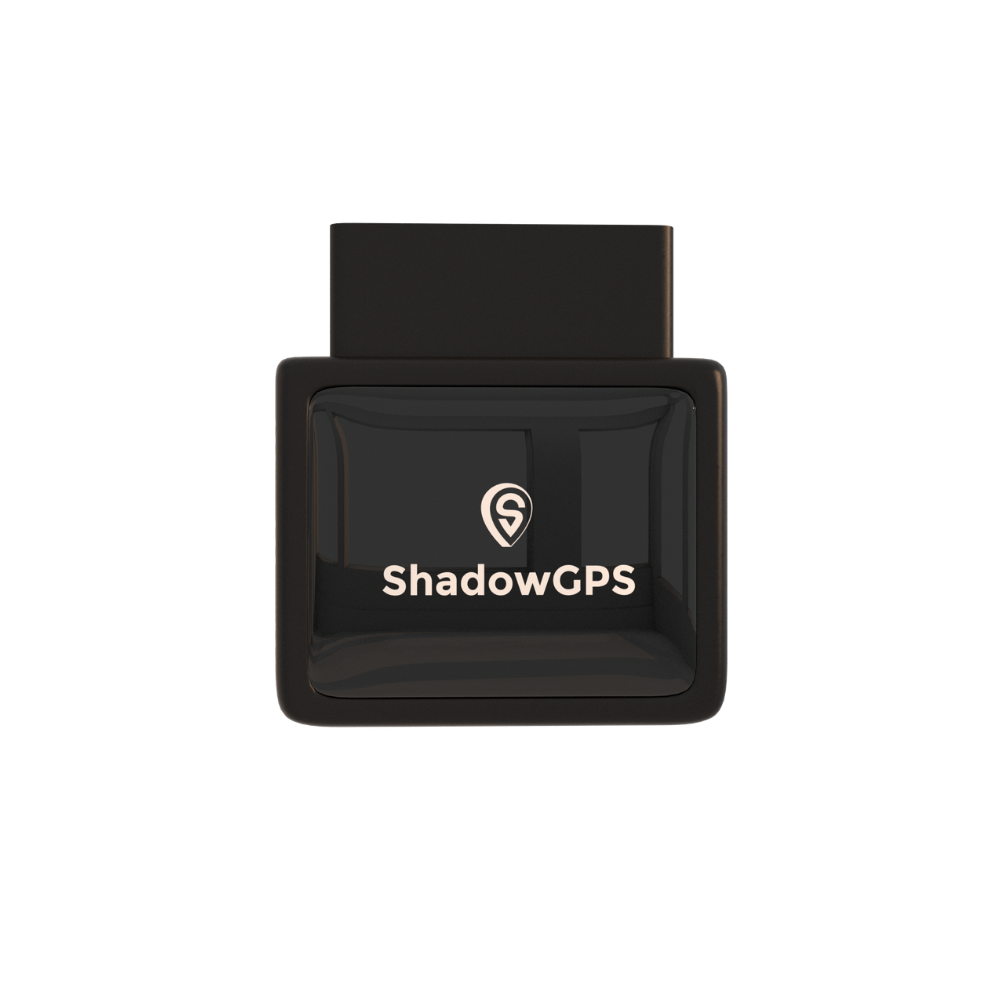
ShadowAuto
- Real-time tracking every 5 seconds
- Trip timeline & trip replay
- Car Alarm & vehicle diagnostics
 Buy Now on Amazon
For non-powered assets like a trailer or a piece of equipment that sits outside, a battery tracker gives you the same real-time location without an OBD-II port.
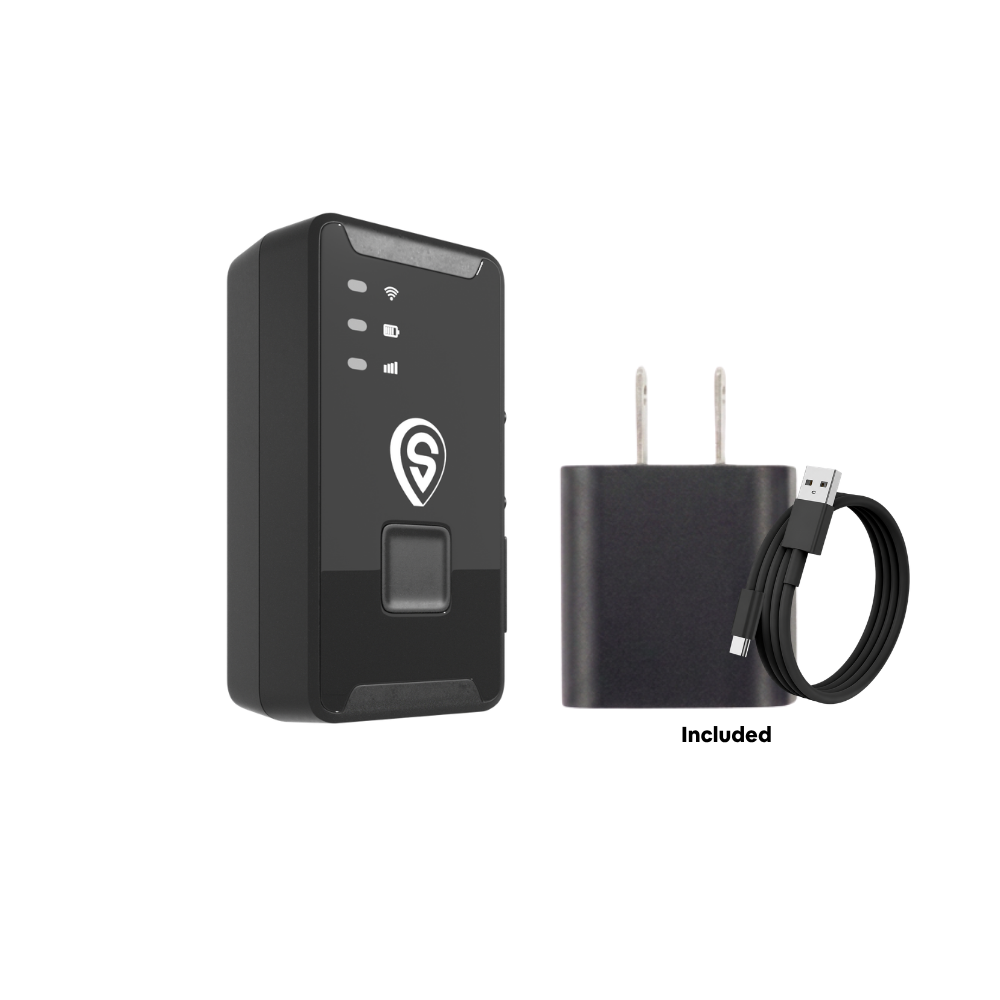
ShadowTrack
- Real-time tracking every 5 seconds while moving
- Weatherproof, magnet-mount in under 2 minutes
- Up to ~15 days per charge
To hide a battery tracker on a trailer or piece of equipment and leave it there, a simple magnetic case keeps it weatherproof and out of sight.
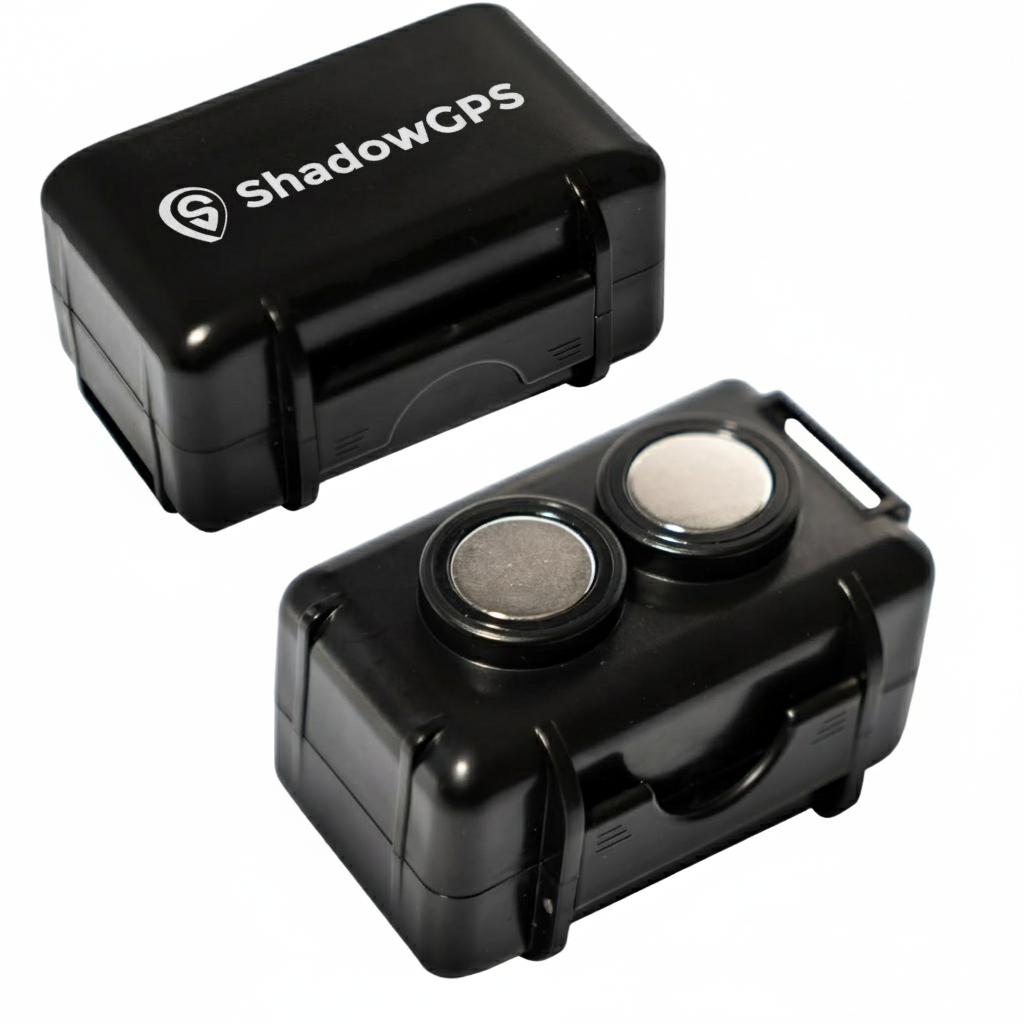
Magnetic Mount Weatherproof GPS Case & Key Holder
- Neodymium magnet mount
- Weatherproof housing
The Benefits of Asset Tracking
Why is asset tracking important? Because the alternative, manual tracking on spreadsheets and memory, quietly leaks money through lost items, human error, and assets that sit idle. Here's what effective asset tracking delivers.
- Real-time visibility. Real-time tracking minimizes loss and theft by showing you where every asset is at any moment, so nothing disappears without a trail.
- Higher operational efficiency. Automated inventory management removes the manual steps that cause errors. Industry analyses commonly credit effective asset tracking with efficiency gains of around 20%, and IBM has reported cases of up to 28% better maintenance productivity after adopting asset management tools.
- Lower costs. Asset tracking reduces costs by optimizing asset utilization. When you can see what's over-used, under-used, or idle, you buy less, rent smarter, and improve resource allocation.
- Theft prevention and recovery. Real-time tracking deters theft and unauthorized use, and GPS trackers help you recover lost or stolen assets quickly with location alerts.
- Fewer costly mistakes. Digital records enhance traceability and accountability, replacing human error and guesswork with a clear audit trail.
- Better decisions. Historical tracking data aids informed purchasing and resource allocation decisions, so your next purchase is backed by usage data, not a hunch.
- Enhanced security and compliance. Companies using asset tracking improve compliance with regulations and strengthen both physical security and cybersecurity around critical assets.
- Lower insurance costs. Many insurers reduce premiums for vehicles and equipment protected by GPS tracking, because a tracked asset is a recoverable asset.
The 5 Stages of the Asset Management Lifecycle
Asset tracking does its best work when it plugs into the full asset management lifecycle. Industry standards such as ISO 55000 define five key stages, and tracking data feeds every one of them.
- 1. Planning. Decide what assets you need, based on historical asset data and demand.
- 2. Acquisition. Purchase the asset and create its record, tagging it with a unique identifier from day one.
- 3. Operation and utilization. Put the asset to work and monitor asset performance and location in real time.
- 4. Maintenance. Use status alerts to keep each asset maintained properly, reducing downtime and extending its life.
- 5. Disposal. Retire or resell the asset at the right time, with a complete usage history to guide the decision.
What to Track, and Who Tracks It
Asset tracking isn't just for warehouses and enterprise fleet managers. The same core idea scales from one owner to a whole operation. Here's where it earns its place.
The family car or truck
Track a teen driver, protect a household vehicle, and get an instant alert if it moves when it shouldn't. One vehicle, total peace of mind.
Turo & rental hosts
Keep tabs on a car that's out with a stranger. Live location and trip history protect your asset and settle any dispute.
Small fleets (2 to 5+ vehicles)
Owner-operators track vans and trucks without the cost and complexity of enterprise fleet systems. Real-time location, no contract.
Construction & job sites
Trailers, generators, power tools, and heavy machinery move between sites and go missing. GPS and battery trackers keep valuable equipment accounted for.
IT assets
Laptops and devices spread across multiple locations are tracked with barcodes, BLE tags, and asset management software for accountability.
High value equipment
Anything expensive, portable, and worth stealing benefits from real-time location tracking and instant movement alerts.
The gap most guides skip
Nearly every "asset tracking" article is written for a large enterprise with hundreds of assets and a dedicated asset manager. But the person who feels the loss most sharply is the individual or small operator with one vehicle or a handful of trailers. You don't need enterprise software to track the asset that matters to you. You need one reliable tracker and a clear app.
How to Choose Asset Tracking Software and Solutions
Choosing among asset tracking solutions should start with your business needs, not a feature list. Work through this short checklist before you buy.
- Match the technology to the asset. Indoor and stationary? Barcode, RFID, or BLE. Outdoor and on the move? GPS. Don't pay for satellite tracking on a filing cabinet.
- Real-time visibility. Confirm how often the system actually updates. A tracker that refreshes every few seconds tells a very different story than one that pings every few minutes.
- Alerts. You should be able to receive instant alerts for movement, geofence exits, low battery, and maintenance. Alerts turn tracking from a logbook into protection.
- Battery life. For non-powered assets, battery life decides how often you touch the device. Vehicle-powered trackers never need charging; portable trackers should last days to weeks.
- Integration capabilities. Good asset management software connects to the tools you already use and offers an API, so asset data isn't stranded in one dashboard.
- Ease of use. If setup needs an installer and a manual, adoption suffers. Look for plug-in simplicity and a clean web and mobile app.
- Clear pricing. Know the device cost, the monthly fee, and whether you're locked into a contract before you commit.
Manual Tracking vs. GPS Asset Tracking
If you're still tracking assets on a spreadsheet, this is the comparison that matters most.
Manual / spreadsheet tracking
- No hardware cost to start
- Relies on people remembering to update it
- No real-time location, no alerts
- Human error compounds over time
GPS asset tracking
- Live location, updated automatically
- Instant theft and movement alerts
- Trip history and usage reports
- Device cost plus a monthly fee
In short
Asset tracking monitors your physical assets throughout their lifecycle to maximize efficiency and minimize loss. Choose barcodes or RFID for in-building inventory, Bluetooth for indoor equipment, and GPS for anything that moves outdoors, like vehicles, trailers, and equipment. The best asset tracking solution is the one matched to your asset and your business needs, giving you real-time visibility, instant alerts, and a clear record of every asset you own.
How Much Does Asset Tracking Cost?
Costs depend on the technology. Barcodes are the cheapest place to start, since a printed label costs pennies. RFID adds tags and readers. GPS asset tracking involves a device cost plus a monthly subscription for the cellular data and software that power real-time tracking and alerts.
ShadowGPS trackers are priced at $69.90 for the device, with plans starting at $12/mo. There's no contract, so you can pay month-to-month or prepay to save, and cancel any time. If a solution's pricing page doesn't clearly answer "is there a monthly fee," treat that as a red flag before you buy.
Frequently Asked Questions
What is asset tracking?
Asset tracking is the practice of monitoring the location, condition, and movement of your physical assets to maximize efficiency and minimize loss. It uses tags or GPS trackers plus asset tracking software to keep a real-time record of where each asset is and how it's being used.
How does asset tracking work?
It works in three steps: you tag each asset with a unique identifier (barcode, RFID tag, or GPS tracker), the tag's data is captured through scanning or a cellular network, and asset tracking software centralizes that data to update location and status in real time and send you alerts.
What is the difference between asset tracking and inventory management?
Inventory management tracks stock you intend to sell or consume, usually by quantity. Asset tracking monitors durable, individual items you own and reuse, like vehicles, tools, and equipment, by their specific location and status over their whole lifecycle.
How much does asset tracking cost?
It depends on the technology. Barcodes are the cheapest to start. GPS asset tracking typically involves a device cost plus a monthly fee for the cellular data and software. ShadowGPS trackers, for example, are $69.90 for the device and start at $12 a month with no contract, so you can cancel any time.
Which asset tracking technology is best?
There's no single best technology, only the best fit. Use barcodes or RFID for in-building inventory, Bluetooth Low Energy for indoor equipment, and GPS for anything that moves outdoors. GPS is the only option that gives you real-time location when the asset is far away.
Can asset tracking help prevent theft?
Yes. Real-time tracking deters theft and unauthorized use, and GPS asset trackers send instant alerts when a vehicle or piece of equipment moves unexpectedly, which helps you recover a stolen asset quickly.
Do GPS asset trackers need a SIM card?
The cellular connection is built in. With ShadowGPS, the data plan is included in your monthly fee, so there's no separate SIM card to buy or manage. You plug the tracker in and it connects on its own.
The Bottom Line
Asset tracking isn't complicated once you match the technology to what you own. Barcodes and RFID handle the inventory that stays inside your walls. GPS handles everything that drives, tows, or travels, the assets that actually go missing and cost the most to replace.
Whether you're protecting one family car or keeping tabs on a handful of trailers and trucks, the payoff is the same: real-time visibility, instant alerts, and the confidence that comes from knowing exactly where your assets are.
Know where it is, in real time.
Plug a ShadowGPS tracker in, see your vehicle update every five seconds, and cancel any time. No installer, no contract.
Pricing and specs current as of August 2026 and subject to change. Amazon links are affiliate links; ShadowGPS may earn a commission at no extra cost to you. Statistics on efficiency and productivity are drawn from published industry analyses (including IBM and ISO 55000 asset management standards) and describe general findings, not results guaranteed for every business. Always confirm current pricing on the product page before purchase.

