

You plug in a brand-new GPS tracker, wait for the little light to blink, and open the app expecting a pin on the map. Instead you get "no service" or a location that never updates. Nine times out of ten, the tracker isn't broken. The SIM card is wrong.
A GPS tracker's satellite chip can always find its own position. The SIM card is the part that carries that position back to your phone, and not every SIM card is built to do that job well. This guide walks through exactly how a SIM card for a GPS tracker works, the types and sizes you'll run into, the real providers people use in the USA (including SpeedTalk Mobile and T-Mobile), and how to activate one the first time without guessing at settings. We'll also show you the setup that skips this whole decision: a tracker with the connectivity already built in.
The best SIM card for a GPS tracker is a dedicated IoT or M2M SIM built for low-data devices, not a regular phone SIM. In the USA, SpeedTalk Mobile and T-Mobile's IoT plans are the most common standalone choices for a single vehicle tracker, while multi-network SIMs from providers like Hologram or Things Mobile suit small fleets and anyone who needs international service. If you'd rather not manage a SIM card at all, a tracker like ShadowGPS ships with connectivity already built in, so there's nothing to insert, activate, or configure.
How a GPS Tracker Actually Uses a SIM Card
GPS tracking works in two separate steps, and understanding both is the key to choosing the right SIM. First, the tracker's GPS receiver listens to a network of satellites and calculates its own position through triangulation. That part happens entirely on the device and needs no SIM card, no cellular network, and no signal from a tower.
Second, the tracker has to tell you where it is. That's where the SIM card comes in. It connects the device to a cellular network, using protocols like GPRS or LTE, so the tracker can send its coordinates to a server and, from there, to your phone in real time. Without a working SIM, the GPS chip still knows exactly where it is, it just has no way to say so.
This is also why GPS trackers are so different from phones on the network side. A tracker isn't streaming video or browsing the web, it's sending tiny, intermittent packets of data, a few bytes at a time, dozens or hundreds of times a day. That low, bursty pattern is exactly what IoT and M2M (machine-to-machine) SIM cards are engineered around, and it's a big part of why a phone SIM is the wrong tool for the job.
Does a GPS Tracker Need a SIM Card?
Most real-time GPS trackers do need a SIM card, but only for the reason above: sending live updates over a cellular network. A tracker without a SIM can still record and store location data locally, but you won't see it move on a map until you plug it in and download the log. We cover this question in more depth, including which trackers skip the SIM entirely, in our guide on whether your GPS tracker needs a SIM card.

Types of SIM Cards for GPS Trackers
IoT/M2M SIM vs. a Regular Phone SIM
A standard phone SIM is priced and provisioned for a person: voice minutes, texting, and gigabytes of streaming data. Drop that SIM into a GPS tracker and two things go wrong. You're paying for features the device will never use, and carriers routinely flag a device that pings the network every few seconds, all day, as "abnormal" traffic, sometimes throttling or suspending the line without warning.
An IoT or M2M SIM card solves both problems. It's built and priced specifically for machine-to-machine communication: small data allowances, no voice or SMS bundled in unless you need it, and a carrier profile that expects constant, low-volume check-ins instead of flagging them.
SIM Card Sizes: Standard, Micro, and Nano
GPS tracker SIM cards come in the same three physical sizes as phone SIMs:
- Standard (2FF): the largest size, still used in some older or industrial trackers.
- Micro (3FF): a common size in mid-size vehicle and asset trackers.
- Nano (4FF): the smallest size, standard in most modern compact trackers, pet collars, and wearables.
Most dedicated GPS SIM cards ship as a "triple-cut" card, meaning all three sizes are punched out of a single card. Check your tracker's manual or the SIM slot itself before you order, so you're not stuck trying to trim a card down by hand.
Prepaid, Multi-Network, and Dual SIM Options
For a single vehicle tracker with light, predictable data use, a prepaid, pay-as-you-go plan is usually the right call. There's no contract to track, no minimum term, and you're not paying for a voice line you'll never use.
Small fleets and anyone tracking assets across a wider area often do better with a multi-network SIM. Instead of locking onto one carrier, these SIMs can switch automatically to whichever network has the strongest signal in a given area, which matters if a vehicle regularly crosses into a zone with weak coverage on its home carrier. Some trackers also support dual SIM functionality, holding two profiles at once so the device fails over to a second network if the first one drops.
7 Things to Check Before You Choose a SIM Card
Not every SIM labeled "for GPS trackers" is actually a good fit for your device. Run through this list before you order one:
- 4G LTE or LTE-M compatibility. Older 2G and 3G networks are being shut down carrier by carrier across the USA. Confirm your SIM and your tracker both support 4G LTE or the low-power LTE-M standard, so the setup doesn't lose service down the road.
- A low-data plan sized for a tracker, not a phone. Most GPS trackers use only a few megabytes a month, even reporting every 5 to 10 seconds. Paying for gigabytes of data is money spent on an allowance you'll never touch.
- SMS support, only if your tracker needs it. Some devices are configured or queried by text message. If yours is one of them, confirm the plan includes SMS. If it isn't, skip it entirely, a data-only plan without voice or SMS is the more cost-effective choice.
- Matching bands and technology. The SIM and the tracker's cellular modem need to support the same frequency bands and network generation. A SIM built for one carrier's LTE-M band won't necessarily work in a tracker's modem tuned for another.
- Multi-network switching for problem areas. If the vehicle, trailer, or asset moves through rural areas or spots with inconsistent coverage, a multi-carrier SIM prevents the dead zones that cause a single-carrier SIM to drop tracking entirely.
- No hidden contract. Prepaid, month-to-month plans without a credit check or long commitment are standard for GPS tracker SIMs, look for that flexibility before you buy.
- Security and remote management. Better IoT SIM providers offer encrypted data transmission and a web dashboard where administrators can check usage, activate or suspend a line, and monitor multiple devices at once, which matters as soon as you're managing more than one tracker.
How Much Data Does a GPS Tracker Use Per Month?
A typical real-time GPS tracker uses somewhere between 5 MB and 100 MB of data per month, even reporting every few seconds around the clock. That's because each location update is a tiny text-based packet, not a stream. Most single-vehicle trackers stay comfortably under 30 MB a month, which is why the smallest prepaid data plan a carrier offers is almost always more than enough.
Best SIM Card Options for a GPS Tracker in the USA
If your tracker takes a separate SIM card, here's how the main options compare for a single vehicle, a small fleet, or a device that needs to work outside the country.
1. SpeedTalk Mobile
SpeedTalk Mobile is one of the most widely used prepaid options built specifically for GPS trackers, running on a major nationwide LTE network. Plans start around $5 to $15 a month depending on data usage, with no credit check and no contract.
Pros
- Triple-cut SIM fits standard, micro, and nano slots
- No contract, no credit check, cancel any time
- Low-cost data-only plans built for trackers
Cons
- USA coverage only, no international service
- Single-network only, no automatic carrier switching
Best for: one vehicle or a handful of trackers that stay inside the USA and don't need multi-carrier failover.
2. T-Mobile IoT / M2M Plans
T-Mobile offers dedicated IoT and M2M data plans on top of its LTE and LTE-M network, aimed at businesses running fleets of connected devices rather than a single tracker. Coverage and network reliability are strong across most of the USA.
Pros
- Strong nationwide LTE and LTE-M coverage
- Built for scaling to many connected devices
Cons
- Typically requires a business account to set up
- Less friendly for a single, one-off tracker order
Best for: small fleet and asset owner-operators already set up as a business, standardizing several trackers on one carrier.
3. Things Mobile & Other Global IoT SIMs
If a device travels outside the USA, a domestic-only SIM won't cut it. International IoT providers like Things Mobile run on roaming agreements with hundreds of carriers across more than 150 countries, connecting to whichever network has the best local signal.
Pros
- True international service across dozens of countries
- Pay-per-use pricing with no fixed monthly cost
Cons
- Per-megabyte pricing can add up on chattier trackers
- Domestic-only USA carriers are usually cheaper if you never leave the country
Best for: travelers, import/export cargo, or any device that regularly crosses a border.
4. Hologram & Twilio Super SIM (Multi-Carrier IoT Platforms)
These platforms sit above individual carriers, giving administrators one dashboard to manage a pool of SIMs that can each switch between multiple networks automatically. They're built for developers and fleet administrators running custom applications, not a single consumer tracker.
Pros
- Automatic multi-network switching for uptime
- Remote management and usage monitoring at scale
Cons
- Overkill and more setup than a single-vehicle owner needs
- Pricing and setup assumes an IoT application, not an off-the-shelf tracker
Best for: fleet administrators and developers running custom IoT applications across dozens or hundreds of devices.
| Option | Best For | Coverage | Starting Price | Contract |
|---|---|---|---|---|
| SpeedTalk Mobile | One vehicle, USA only | USA, single network | ~$5/mo | None |
| T-Mobile IoT/M2M | Small business fleets | USA, LTE/LTE-M | Business plan | Varies |
| Things Mobile | Cross-border assets | 150+ countries | Pay-per-use | None |
| Hologram / Twilio Super SIM | Fleet admins, IoT apps | Multi-network, global | Usage-based | None |
| ShadowGPS (built-in) | One car or truck, no setup | 188 countries, multi-carrier | $12–$15/mo, connectivity included | None, ever |
How to Activate a SIM Card in a GPS Tracker
Once you've picked the right SIM, getting it running is straightforward:
- Check the size. Confirm whether your device takes a standard, micro, or nano SIM before you punch it out of the card.
- Insert the SIM. Power the tracker off, slide the SIM into the tray with the gold contacts facing the correct direction, and close the tray.
- Order or activate the plan. Most GPS SIM providers require you to register the card's ICCID number online before it goes live, some ship pre-activated and ready to use the moment you insert them.
- Set the APN if it isn't automatic. Some trackers need the carrier's APN (Access Point Name) entered manually in the device settings or companion app before data will flow. Your SIM provider's support page will list the correct APN string.
- Power on and wait for signal. It typically takes one to five minutes for a tracker to register on the network and send its first location update.
The Simpler Option: A Tracker With the Connectivity Built In
Every step above is manageable, but it's still one more thing to buy, activate, and keep paying for separately, and one more thing that can go wrong if a SIM loses signal or a plan lapses without you noticing. For the person who owns one car or truck that matters to them, and just wants to know where it is, that's often more setup than the job calls for.
ShadowGPS trackers skip that step entirely. Multi-carrier LTE-M connectivity across major U.S. and Canadian networks is built into the device itself, so there's no SIM card to insert, register, or replace when a carrier changes its network. Plug it in, and it updates your vehicle's location every 5 seconds while it's moving, on every plan, with no contract, ever.
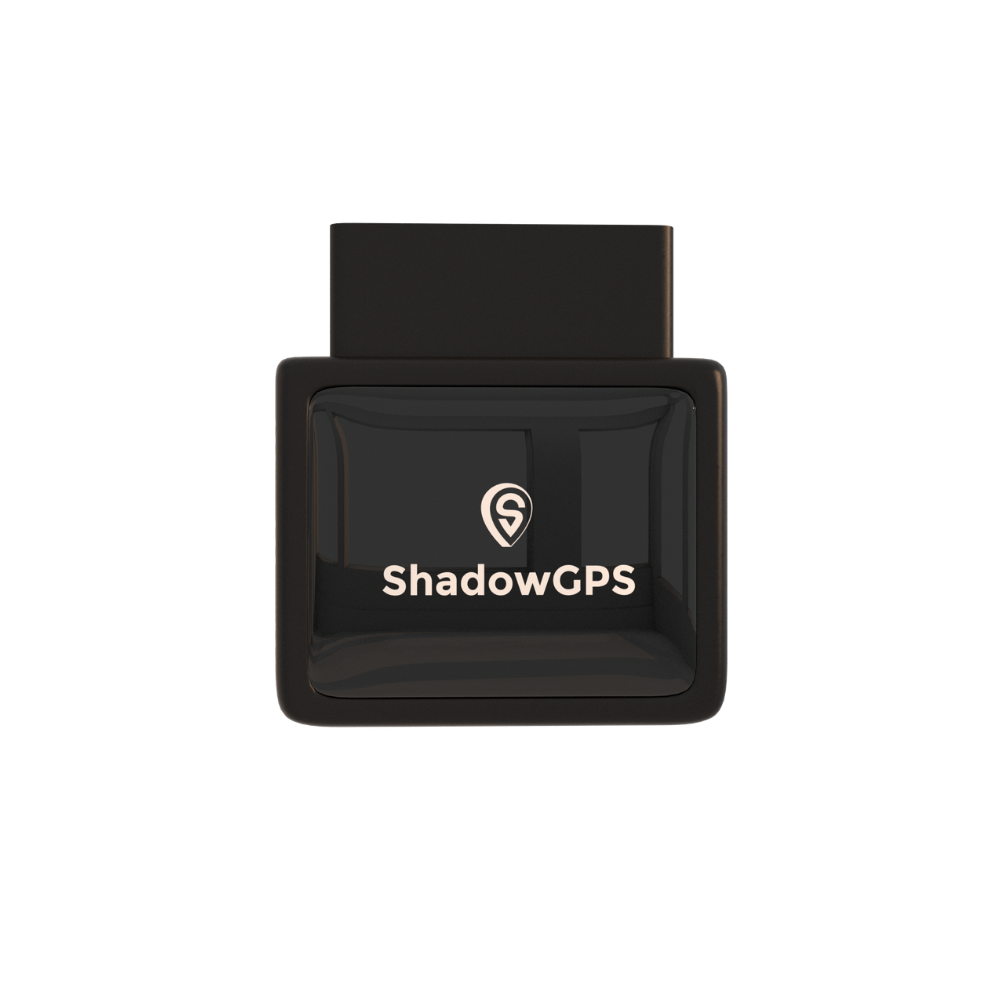
ShadowAuto (Sim Pre-Installed)
- Built-in connectivity, ready the moment it's plugged in
- Updates every 5 seconds while moving
- Car Alarm & vehicle diagnostics
 Buy Now on Amazon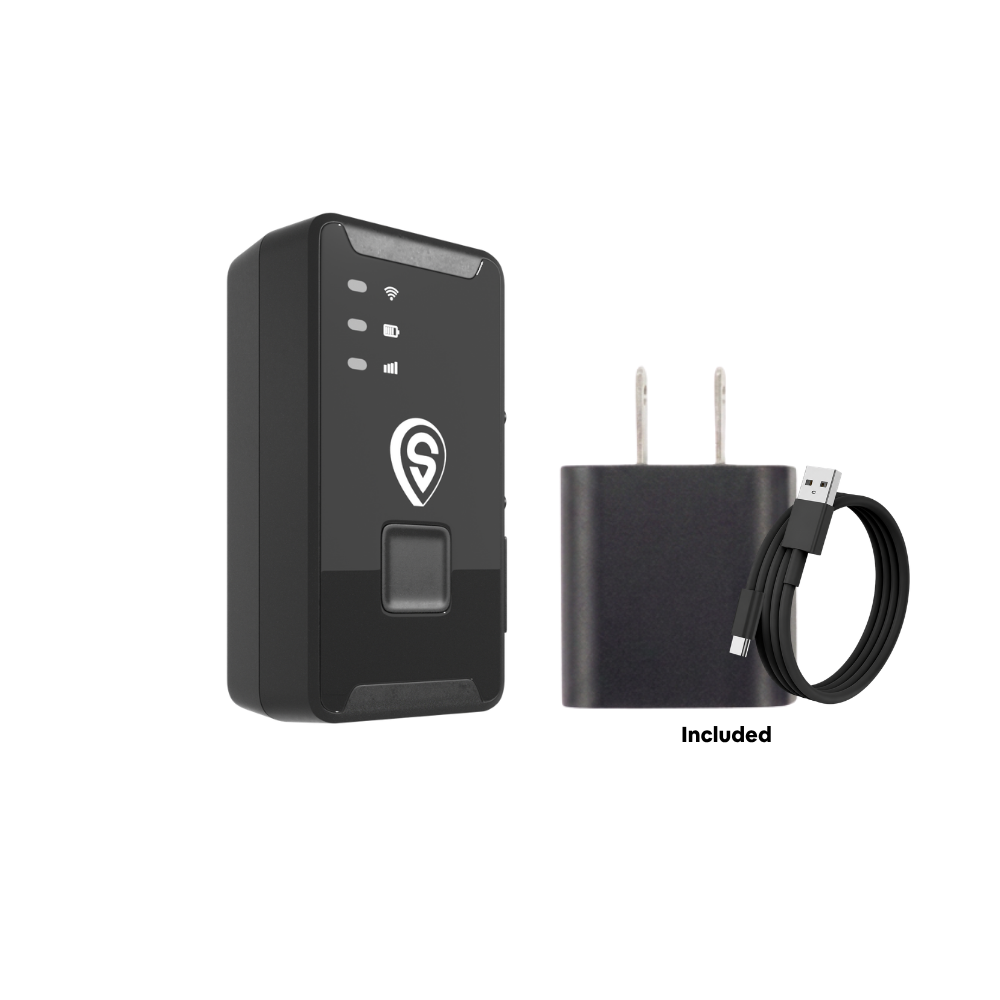
ShadowTrack
(Sim Pre-Installed)
- Weatherproof, magnetic mount, no OBD port needed
- Up to ~15 days per charge
- Same built-in connectivity, no setup step
Choosing the Right Setup for Your Situation
Family Car & Teen Drivers
A built-in tracker like ShadowAuto means no SIM to lapse or forget to pay for, just a live location whenever you check.
Turo Hosts & Rentals
Consistent coverage matters more than saving a few dollars a month when a rental is out of your hands. Built-in, multi-carrier connectivity avoids the single-network dead zones a standalone SIM can hit.
Small Fleets & Asset Administrators
Owner-operators running 2 to 5 vehicles can standardize every truck on the same built-in connectivity instead of managing a separate SIM order, activation, and bill for each one.
Pets, Kids & Personal Safety
Wearables and pet collars lean on the same SIM-based real-time tracking, in a nano-SIM form factor small enough to fit a collar or a pocket clip, for the same peace-of-mind use case as a vehicle.
Frequently Asked Questions
Does a GPS tracker need a SIM card?
Most real-time GPS trackers need a SIM card to send live location data over a cellular network. The GPS chip itself only listens to satellites and doesn't require a SIM, the SIM is what carries the location back to your phone. Some trackers, including ShadowGPS, come with that connectivity already built in, so you never buy or insert a separate SIM.
What size SIM card does a GPS tracker use, micro or nano?
It depends on the device. Most compact modern trackers, including pet and personal trackers, use a nano SIM, while some larger vehicle and industrial trackers use micro or standard SIM slots. Check your tracker's manual, or buy a triple-cut SIM that includes all three sizes on one card.
Can I put a regular phone SIM card in a GPS tracker?
Physically, often yes, if the size fits. Practically, it's not a good idea. A phone SIM is priced for voice and high-volume data you'll never use, and carriers sometimes throttle or suspend a phone line that behaves like a machine, pinging constantly at low volume. A dedicated IoT or M2M SIM avoids both problems.
How much data does a GPS tracker use per month?
Most GPS trackers use somewhere between 5 MB and 100 MB per month, even when reporting every few seconds. Each location update is a small text-based data packet, not a video or audio stream, so even the smallest prepaid data plan a carrier offers is usually more than enough.
Does SpeedTalk Mobile work with any GPS tracker?
SpeedTalk Mobile's GPS SIM cards are built to work with most unlocked 4G LTE and 5G GPS trackers, smartwatches, and similar devices, but always confirm your specific tracker model is on their supported list and that it isn't locked to a different carrier's network before ordering.
Can I use my GPS tracker's SIM card in another country?
A USA-only SIM like SpeedTalk Mobile will stop working the moment the device leaves the country. If a tracker needs to work internationally, choose a global IoT SIM built for roaming, such as Things Mobile, or a device like ShadowGPS with built-in coverage across 188 countries.
Why does my GPS tracker say "no service" even with a SIM inserted?
The most common causes are an inactive SIM (many require online activation before they go live), an APN that hasn't been entered correctly, or a mismatch between the SIM's network technology and the tracker's modem, for example a SIM that only supports 3G in a tracker built for 4G LTE only.
Does ShadowGPS require me to buy a separate SIM card?
No. ShadowGPS trackers include built-in cellular connectivity across major U.S. networks, so there's no SIM card to buy, activate, or swap. It works as soon as you plug it in or mount it, for a flat monthly fee with no contract, ever.
Summary: Best SIM Card for a GPS Tracker
For one vehicle inside the USA, SpeedTalk Mobile's prepaid IoT SIM is the simplest standalone option. For a small fleet already run as a business, T-Mobile's IoT plans scale well. For anything crossing borders, choose an international IoT SIM like Things Mobile. And if you'd rather skip SIM cards altogether, a tracker with connectivity built in, like ShadowGPS, gets you real-time tracking the moment you plug it in.
Final Verdict
Choosing a SIM card for a GPS tracker comes down to three questions: how much data you actually need (almost always very little), whether the device ever leaves the USA, and how many trackers you're managing at once. Answer those honestly and the right SIM, or the right built-in tracker, becomes an easy call.
For the person who owns one car or truck that matters to them and just wants a straight answer to "where is it," the SIM card decision disappears the moment you choose a tracker that already has connectivity built in.
Know where it is. Every 5 seconds.
Plug it in, see it move, cancel any time. No contract, ever, and no SIM card to buy.
This guide reflects SIM card providers, pricing, and specifications published as of August 2026. Carrier plans, coverage, and third-party pricing are subject to change and should be confirmed directly with each provider before ordering.

