

You picked up your car from the shop or the valet stand, and something feels off. The seat is pushed back, the radio is on a station you never play, and the fuel needle looks lower than you remember.
Here is the short answer: you can usually tell if someone drove your car by comparing your odometer, trip meter, and fuel level against what you noted at drop-off, then checking the seat, mirrors, infotainment, and any trip history your car or tracker keeps. A mechanic joyride or valet joyride almost always leaves a trail. You just need to know where to look, and ideally, set things up before you hand over the keys.
This guide walks you through every check, explains where a normal test drive ends and a joyride begins, and shows you what to do if your hunch turns out to be right.
How to know if someone drove your car: (1) Photograph the odometer and fuel gauge at drop-off. (2) Reset a trip meter to zero. (3) At pickup, compare miles and fuel. (4) Check seat, mirror, and radio settings. (5) Look at recent navigation destinations and paired phones. (6) Review your car app, dashcam, or GPS tracker trip history for the exact route, times, and stops.
Mechanic joyride vs. a normal test drive: where is the line?
First, some fairness to good shops. Mechanics often need to drive your car to hear a noise, feel a vibration, or confirm a repair worked. That road test is part of the job.
As one attorney answering a consumer question on Avvo put it, permission to test drive is generally implied when you leave a car for diagnosis or repair, but it does not cover personal trips. Many repair authorization forms spell this out, giving the shop permission to move and road test your car only for the purpose of repairing it.
A joyride is different. It is driving that has nothing to do with the repair: a lunch run, a commute home, a drive to show friends, or flooring it on the highway.
The test drive vs. joyride checklist
Use this table to judge what you find. One item alone may be innocent. Several together usually tell the story.
| Signal | Normal road test | Red flag (possible joyride) |
|---|---|---|
| Extra miles | A few miles, close to the shop | Dozens of miles, or miles that do not fit the repair |
| Timing | During work hours, near the repair time | Lunchtime, overnight, or after the car was marked "ready" |
| Route | Loops on nearby roads or a short highway stretch | Stops at restaurants, homes, or far-off neighborhoods |
| Fuel used | Barely moves the needle | Noticeable drop, especially on a short repair |
| Driving style | Steady, with brief acceleration to test something | Very high speeds, hard launches, burnt-tire smell |
| Cabin | Seat moved, maybe a paper floor mat | Food wrappers, new phone paired, smoke smell, trash |
| Valet | Short trip from the stand to the lot or garage | Miles added during a dinner, a hotel stay, or an event |
What valets should and should not do
A valet's job is simple: drive your car from the stand to the parking spot, and back. Most lots are within a few blocks, so a valet trip should add very little to your odometer.
Capital One's car guide even suggests noting your odometer before and after using a valet to catch a big mileage gap. It is the same principle as everything in this guide: write down the baseline, then compare.
Real mechanic and valet joyride cases, and what gave them away
These stories went viral for a reason. In nearly every case, the owner caught it with evidence, not just a feeling.
The Camaro at the drive-thru
A California owner dropped her limited edition Indy 500 Pace Car Camaro at a dealer for an oil change and A/C work, then spotted it at a fast food drive-thru with a technician behind the wheel. The dealer called it against company policy.
The 100 mph "test drive"
A Washington BMW owner says his dashcam showed a shop employee pushing his car past 100 mph. He got the car back with a stereo that no longer worked.
The valet-parked Saab
A hotel guest told NBC News her car's navigation history showed it had been driven past where she'd parked it, and her own mileage records backed her up. The garage had no security cameras.
Courts take these cases seriously too. The Drive reported that a Tennessee judge rejected an "extended test drive" defense after a mechanic took a customer's Mercedes on a joyride, awarding the owner $20,270, while the mechanic separately faced a criminal theft charge.
The lesson across all of them: evidence wins. Dashcam footage, navigation history, and mileage records turned "I think" into "I know." Notice that the Saab owner's hotel garage had no cameras at all. Her own records were the only proof.
How to know if someone drove your car: 10 checks
Split these into three moments: before you hand over the keys, at pickup, and once you are home. The first group matters most, because you cannot prove a change without a starting point.
Before you hand over the keys
1. Photograph the odometer and fuel gauge
Take one clear photo of the dash with the car on, showing total miles and the fuel level. Your phone stamps it with the date and time automatically. This takes five seconds and is the single most useful piece of evidence you can have.
2. Reset a trip meter to zero
Most cars have two trip meters (Trip A and Trip B). Leave your usual one alone and zero out the other right before drop-off. At pickup, it tells you exactly how far your car traveled while it was gone.
One caution: a quick mechanic may notice it and reset it again. That is why the odometer photo matters. Total mileage cannot be reset.
3. Note your seat, mirrors, and radio
Snap a photo of your seat position and side mirrors, and note the radio station and volume. A valet or mechanic will often adjust the seat, which is normal. But a changed radio station, a new music app, or a bumped EQ setting can suggest more than a quick move to the lot.
When you pick it up
4. Compare miles and fuel
Check the trip meter and odometer against your photo. For a valet, anything more than a couple of miles deserves a question. For a mechanic, ask how long their road test was and compare the numbers. A big fuel drop on a short visit is another clue.
5. Feel for heat
If the shop says your car has been sitting finished since the morning, but the hood, engine bay, or brakes feel hot at 5 p.m., it was driven recently. A valet run from a nearby lot will warm things a little. A hot engine after a "parked" afternoon is a different story.
6. Check the cabin
Look for food wrappers, receipts, cigarette smell, new scuffs on the door sill, items moved in the glovebox, or sand and mud on the floor mats. One Avvo user described finding trash, grease, and personal items after a mechanic used his car to commute, so small leftovers matter.
7. Look at the infotainment system
Your screen keeps more history than most people realize. Check:
- Recent destinations in built-in navigation. A new address is a strong clue.
- Bluetooth paired devices. An unfamiliar phone name means someone connected while driving.
- Call logs or recent media tied to a phone that is not yours.
After you get home
8. Check your car's own app
Many newer cars come with a manufacturer app or connected service that can show your car's location or recent trips, often as part of a subscription. If yours has one, check the trip log for the window your car was out of your hands. If it does not, skip to the next two checks.
9. Review dashcam footage and toll alerts
A dashcam with a cabin-facing lens and a parking mode is how many of the viral cases came to light. Also watch for toll charges, parking tickets, or red-light camera notices dated during the service window. A Mercedes owner reported by the Daily Dot learned the truth from a letter that arrived weeks later.
10. Replay the trip on a GPS tracker
This is the only check that gives you the full picture without guesswork: where your car went, when it left, how long it stopped, and when it came back. It is also the easiest one to set up, which is where the next section comes in.
Did someone plant something on your car?
Rarely, people worry that a shop or valet left a tracker behind rather than taking a joyride. If you notice loose panels or a device you do not recognize near the OBD-II port, our guide on how to find a tracker on your car walks through every common hiding spot.
The easiest way to know for sure: a GPS tracker with trip replay
ShadowGPS: see every trip your car takes, even when you are not in it
Every manual check above relies on you noticing something. A GPS tracker flips that. It keeps the record for you, so a 2-mile valet run and a 40-mile lunch trip look completely different on your phone.
ShadowGPS trackers update your car's location every 5 seconds while it is moving, so the trip timeline shows the real route, not a few scattered dots. You plug it in, open the app, and you can see where your car is right now, replay any trip, and set a geofence alert around the shop or valet lot so you know the moment your car leaves it.
For most owners, ShadowAuto is the simplest choice. It plugs into the OBD-II port under your dash in under 2 minutes, powers itself from your car, and never needs charging. Not sure where the port is? Here is how to find your OBD2 port in 30 seconds.
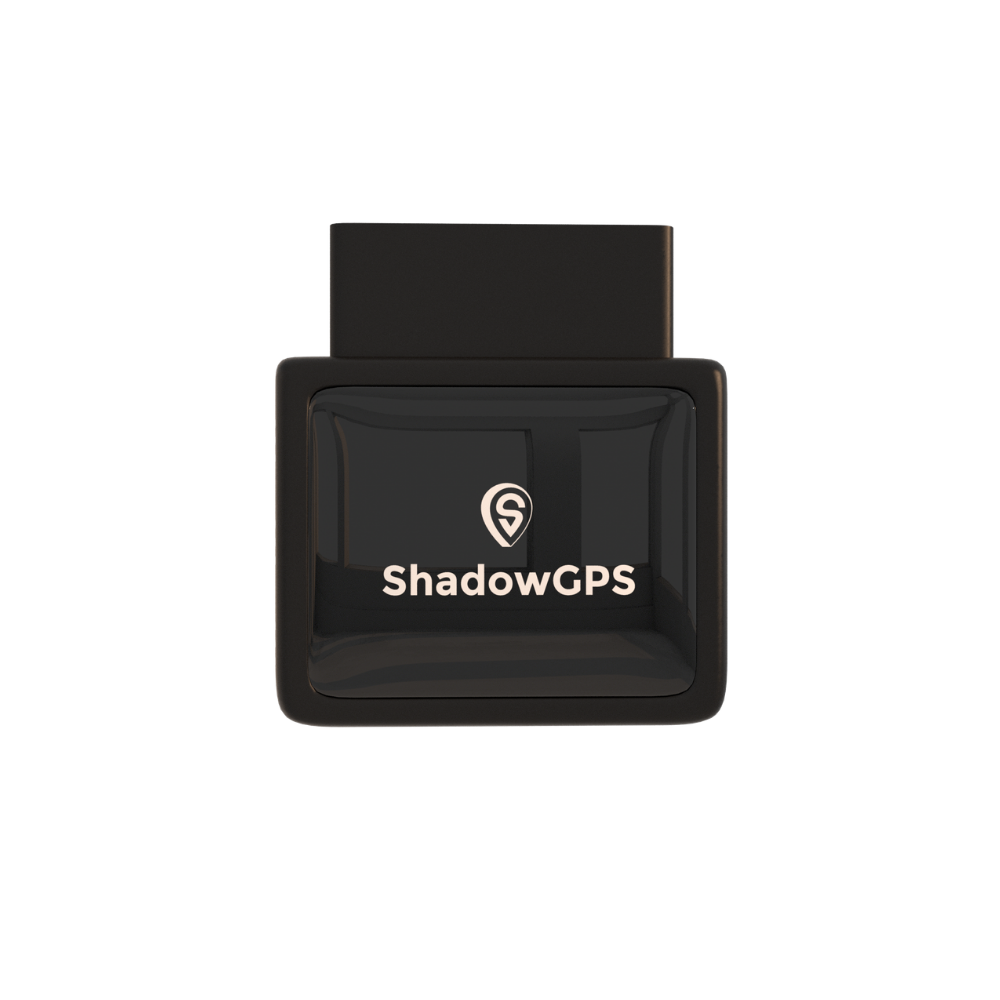
ShadowAuto
- Trip timeline and trip replay for every drive
- Geofence alerts when your car leaves the shop or valet lot
- Plugs in under 2 minutes, powered by your car


One honest tip for shop visits: your mechanic uses the same OBD-II port to read engine codes, so they may unplug an OBD tracker while they work. That is normal, and ShadowAuto's tamper alert tells you when it happens. If you want a tracker that stays put through every service visit, ShadowTrack runs on its own rechargeable battery and can sit in the trunk, the glovebox, or a magnetic case, completely separate from the port.
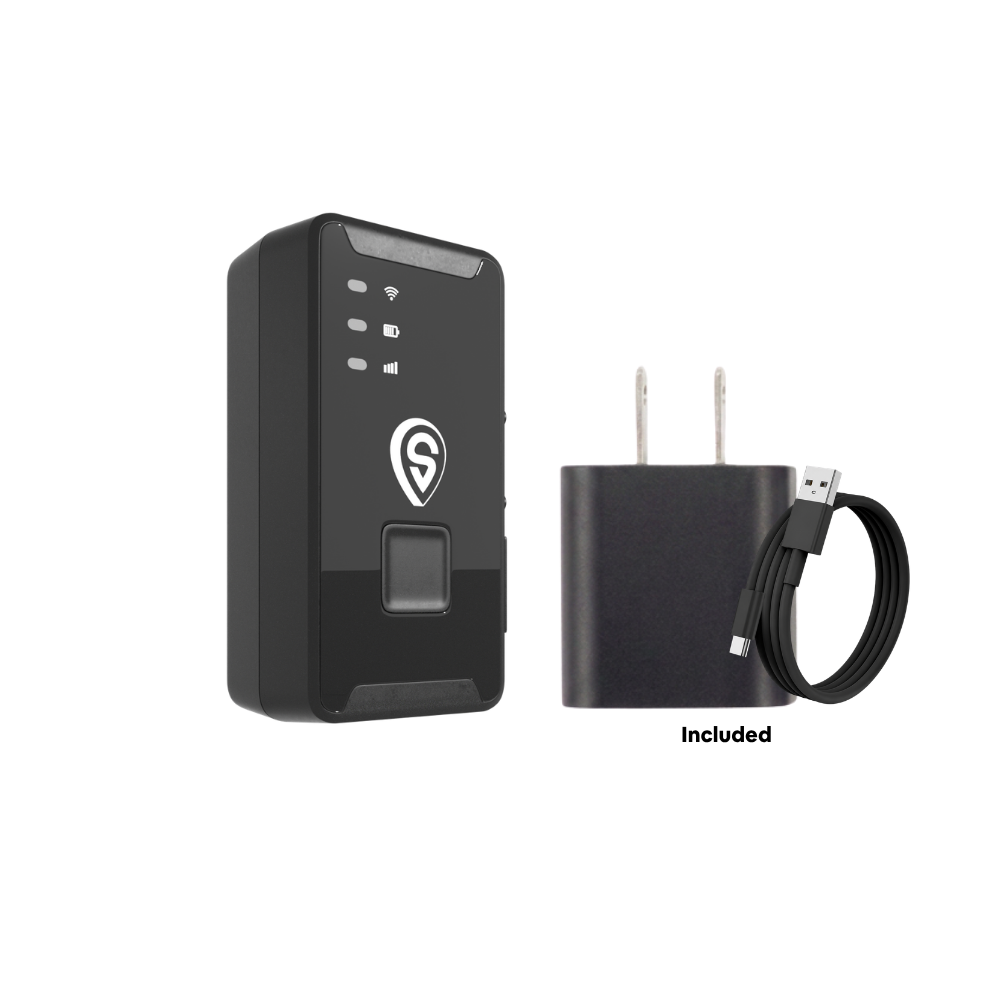
ShadowTrack
- Up to about 15 days per charge
- Stays tracking even when the OBD-II port is in use
- Weatherproof magnetic case option
Best for: ShadowAuto if you want a tracker you plug in once and forget. ShadowTrack if your car visits the shop often, or you want tracking that never depends on the port.
Example: one service visit, start to finish
Here is how a typical check looks with a tracker, using a simple timeline. This is an illustrative example, not a specific customer.
- 8:05 a.m. You drop your car off for brakes. You set a geofence around the shop in the app.
- 10:40 a.m. Geofence alert: your car left the shop. Trip replay shows a 3-mile loop and a return 9 minutes later. That is a road test. No action needed.
- 12:15 p.m. Another alert. This time the replay shows a 14-mile drive, a 35-minute stop at a restaurant, and a return at 1:20 p.m.
- 5:00 p.m. At pickup, you calmly ask about the midday drive and show the timeline. The manager now has dates, times, and a map, not a he-said, she-said.
That is the real value. You are not guessing, and you do not need to confront anyone in a drive-thru. You have a clear record of what happened.
Every way to check, compared
Here is how each method stacks up on the questions that matter: did someone drive it, where did they go, and would it hold up if you need to make a claim?
| Method | Shows it was driven | Shows where and when | Alerts you in real time | Useful as evidence |
|---|---|---|---|---|
| Odometer photo + trip meter | Yes (miles only) | No | No | Moderate |
| Fuel level and engine heat | Sometimes | No | No | Weak |
| Seat, mirrors, radio | Sometimes | No | No | Weak |
| Navigation history and Bluetooth | Sometimes | Partly (if nav was used) | No | Moderate |
| Valet mode (some models) | No, it limits the car | No | No | None |
| Dashcam with parking mode | Yes | Video only, if recording | Rarely | Strong |
| Car maker's connected app | Often | Varies by brand and plan | Sometimes | Moderate to strong |
| Bluetooth tag (like Apple AirTag) | Sometimes | Rough, only near other phones | No | Weak |
| ShadowGPS tracker (ShadowAuto / ShadowTrack) | Yes | Yes, full trip replay | Yes, geofence and alarm alerts | Strong |
Connected app features vary by car maker, model year, and plan. Bluetooth tags rely on nearby phones to report location, so they cannot show a continuous route.
What to do if your mechanic took your car for a drive
If the evidence points to a mechanic joyride, stay calm and work in this order. A clear record and a polite, firm approach get far better results than an argument at the counter.
- Document everything before you leave. Photos of the odometer, fuel gauge, any damage, and the cabin. Screenshot your tracker's trip replay or save the dashcam clip.
- Ask for the work order and road test notes. Many shops record mileage in and mileage out. Compare it with your photos.
- Talk to the service manager, not the technician. Show your evidence and ask for a written explanation.
- Ask for repair of any damage. If the joyride caused harm, the shop's insurance typically handles it. Get any agreement in writing.
- Contact your insurer if there is damage or the shop refuses to help.
- File a police report if the use was clearly personal. Police may treat it as a civil matter, but a report creates an official record.
- Report the shop to your state's consumer protection office or auto repair regulator, and leave an honest, factual review.
- Consider small claims court for losses like damage, cleaning, or diminished value.
If a valet drove your car
The steps are similar, with a few valet-specific moves. Before driving away, walk around your car and take photos. Then get the valet driver's name, the valet company's contact details, and its insurance information. Answer Financial notes that many hotels and restaurants hire an outside valet company, and that company often carries its own insurance. Ask whether the garage has security cameras, and keep your claim ticket.
Is a mechanic joyride illegal?
Usually, yes, once it goes beyond what the repair needs. Most states have an unauthorized use or joyriding law, such as California Vehicle Code 10851 or Texas Penal Code 31.07, that covers driving someone's car without consent. The tricky part is that you gave the shop the keys, so police sometimes see it as a civil dispute. That is exactly why dated evidence like a trip replay, dashcam clip, or mileage record matters so much.
Laws vary by state, and this is general information, not legal advice. If there is serious damage or an injury, talk to a local attorney. For more on how location data supports a case, see how GPS tracking data helps build stronger legal cases.
How to prevent a joyride next time
Most joyrides happen because someone assumes nobody will notice. A few small habits remove that assumption.
- Pick a shop with a track record. Our partner RepairPal lets you find certified repair shops near you and compare fair repair estimates before you book.
- Put limits in writing. Ask the service writer to note "road test only, about X miles" on the work order, and to call you before any longer drive.
- Ask to ride along on the diagnostic test drive. Many shops are fine with it, and it helps you describe the problem.
- Say out loud that you track mileage. A Rennlist forum member made the point that recording your miles only deters a valet if they know you do it.
- Use valet mode or a valet key if your car has one. It limits access and some features, though it does not record where your car went.
- Self-park when you can, and remove your garage door opener and home address shortcut from the nav before handing over keys.
- Set a geofence around the shop or valet lot so you get an alert the moment your car leaves. Here is how to set up geofence alerts.
Who this matters to most
Parents of teen drivers
Your teen's car goes in for service, and you want to know it was handled with care. The same tracker that helps you keep an eye on a new driver shows exactly how the shop used it.
Turo hosts
Between trips, your car visits detailers, tire shops, and mechanics. Trip replay shows extra miles before the next guest notices them. See how hosts use it on our Turo page.
Small fleet owners
With 2 to 5 trucks or vans heading to the shop on rotation, you can confirm every service run and spot unauthorized trips without calling anyone.
Frequently asked questions
Can a mechanic legally drive my car?
Yes, for repair purposes. Leaving your car for diagnosis or repair generally gives the shop implied permission to move it and road test it. That permission does not cover personal errands, commuting, or long drives. If you do not want your car driven at all, tell the shop and put it on the work order.
How many miles is a normal mechanic test drive?
There is no legal standard, but a typical road test is a short loop of a few miles near the shop. Some problems, like highway-speed vibrations, need a slightly longer drive. The easiest way to avoid confusion is to ask the shop how far they plan to drive before you leave your car.
How do I know if someone drove my car without a tracker?
Compare your odometer and fuel level to a photo you took at drop-off, check a trip meter you zeroed out, and look at seat and mirror positions, recent navigation destinations, and paired Bluetooth phones. These checks can show your car was driven, but they cannot show where it went or for how long.
Is it illegal for a valet to joyride in my car?
Driving your car beyond moving it to and from the parking spot is generally unauthorized use, which most states treat as a crime. In practice, outcomes depend on your evidence, so a mileage photo, dashcam footage, or a trip replay makes a big difference when you complain to the valet company or file a report.
What should I do if a valet damaged my car?
Photograph the damage before you leave, get the valet driver's name and the valet company's insurance details, ask if the garage has security cameras, and keep your claim ticket. Then file a claim with the valet company and, if needed, your own insurer.
Will my mechanic notice an OBD-II tracker?
Possibly, since mechanics plug their scan tools into the same OBD-II port. They may unplug it while they work, and ShadowAuto sends a tamper alert if that happens. If your car is in the shop often, a battery tracker like ShadowTrack keeps tracking without using the port.
Is it legal to put a GPS tracker in my own car before a service visit?
In general, yes. Tracking a car you own is legal across the US. Tracking a car you do not own, or a person, is a different matter with stricter rules. If you share the car with someone else, it is good practice to let them know.
Is there a monthly fee for a ShadowGPS tracker?
Yes, plans run $9 to $15 a month depending on the term you pick. No contract. Month-to-month, or prepay and save, and you can cancel any time.
Does a ShadowGPS tracker need a SIM card?
No. You do not need to buy or insert a SIM card. The cellular connection is included with your plan, so you plug it in, activate it in the app, and it starts reporting.
Know where your car is, even when someone else has the keys
Plug it in, see it move, and cancel any time. No contract. Month-to-month, or prepay and save.
Pricing current as of November 2026; see our pricing page for the latest plans. Some links on this page are affiliate links, and we may earn a commission at no extra cost to you. RepairPal is a ShadowGPS partner. This article is general information and not legal advice; laws vary by state.

