

What Is Telematics? A Guide to Its Uses and Benefits
If you've ever wondered how a fleet manager knows a delivery van idled for 20 minutes three states away, or why your car insurance app wants to track your braking habits, the answer is telematics systems. It's one of those words that shows up on an insurance app, a fleet dashboard, or a new-car window sticker, but rarely gets explained in plain English.
So, what is telematics? In short, it's the technology that lets a vehicle "talk" by combining vehicle tracking data with onboard vehicle information and sending it over a cellular network to software you, your insurer, or your fleet manager can actually read.
This guide covers what a telematics system is, how it works in a car, the real benefits and disadvantages of telematics, and where it overlaps with a simple GPS vehicle tracker like the ones ShadowGPS builds.
Telematics is the combination of telecommunications and informatics used to collect, transmit, and analyze data from a vehicle in real time. A telematics system typically pairs a GPS receiver with onboard diagnostics and a cellular connection, then sends that vehicle data to software that shows location, speed, driver behavior, and engine health. It's used in fleet management, car insurance, and factory-installed connected-car systems.
What Is Telematics?
Telematics is a blend of "telecommunications" and "informatics." Telematics technology combines two things that used to live separately: sending information over a distance, and processing that information into something useful. Applied to a vehicle, that means collecting data like GPS location, vehicle speed, fuel consumption, and engine diagnostics, then transmitting it over a cellular network to a server where fleet management software or an app turns it into a map, a report, or an alert.
Telematics originated in the 1970s out of early computer and communication networks, long before GPS was available to consumers. It didn't become part of the automotive industry until GPS satellites, cheaper sensors, and wireless networks converged in the 1990s and 2000s, which is when vehicle telematics as we know it today really took shape.
Today, telematics systems show up in three places: built into new cars by the manufacturer (think OnStar or a connected-car app), bolted onto commercial vehicles by fleet telematics providers, and used by insurers to price a policy based on driving habits. Each is "telematics," but they serve different purposes, and different people control the data.
What Is Telematics in a Car?
In a car, telematics refers to a small onboard system that reads data from the vehicle itself, usually through the onboard diagnostics (OBD) port or a factory-installed module, and pairs it with a global positioning system receiver. Together they answer two questions constantly: where is this vehicle, and what is it doing?
Factory telematics devices might power automatic crash notification, remote start, or the emergency-call systems required in many new vehicles. Aftermarket telematics devices, the kind fleet managers and individual owners plug in themselves, focus more narrowly on vehicle location, trip history, and driver behavior. The underlying idea, GPS plus vehicle data plus a cellular connection, is the same either way.
Is telematics a tracker?
Not exactly, though the two overlap. GPS tracking answers "where is it." Telematics is the bigger picture: it also reads engine diagnostics, driver behavior, and vehicle status, then routes it through software for analysis. A standalone GPS vehicle tracker handles the location half of that job well, without the added sensors and complexity a full commercial telematics solution is built for. If all you need is to know where your car, truck, or rental is right now, a dedicated tracker is the simpler tool.
What Is a Telematics System?
A telematics system is the full stack of hardware and software that makes vehicle telematics work. It's made up of a handful of components that all have to work together in real time.
Telematics Control Unit (TCU)
The telematics control unit is the brain of the operation. This small onboard computer, sometimes called a "black box," pulls data through the vehicle's CAN bus port and its own sensors, then packages it for transmission. Every telematics device, factory-installed or aftermarket, is built around some version of a TCU.
GPS Receiver and Vehicle Location
A GPS receiver inside the telematics device talks to global positioning system satellites to calculate vehicle location, speed, and direction of travel. This layer powers live vehicle tracking systems, trip history, and geofencing, a virtual boundary that triggers an alert when a vehicle enters or leaves a set area.
Onboard Diagnostics and Engine Data
Most vehicles built after 1996 have an OBD-II port that exposes engine diagnostics data: fault codes, fuel consumption, RPM, and battery voltage. Telematics systems tap into this port to catch mechanical issues early and support a preventative maintenance schedule before a small problem becomes an expensive one.
Cellular Network and Data Transmission
Once the telematics control unit has GPS and diagnostics data, it sends it over a cellular network, historically 3G, now almost universally 4G, as carriers phase out older networks. This is the "telecommunications" half of the word telematics.
Cloud-Based Telematics Software
On the receiving end, cloud-based telematics software, sometimes bundled into broader fleet management software, runs the data analytics that turn raw GPS data and engine diagnostics into a dashboard: a live map, a driver behavior score, or an ELD compliance log. Some platforms add onboard camera technology and in-vehicle driver coaching on top of this same data feed. This is the "informatics" half, and it's usually where fleet managers spend the most time.
How Does Telematics Work in a Car?
Put simply, telematics works in three steps that repeat continuously while a vehicle is running:
- Collect: the device reads GPS location plus engine diagnostics through the OBD port or onboard sensors.
- Transmit: the telematics control unit sends that vehicle data over a cellular network to a secure server.
- Analyze: telematics software turns the data into a live map, driver behavior flags, and maintenance alerts you can act on.
Examples of Telematics
Telematics shows up under a few different names depending on the industry using it. Here are the most common examples of telematics in everyday use:
Usage-based insurance
Insurers use mobile apps or a small plug-in device to collect data on driving habits like vehicle speed and hard braking, then adjust insurance premiums accordingly.
Fleet telematics
Businesses managing fleet vehicles use fleet telematics software for route optimization, ELD compliance, and driver safety across the entire fleet.
Factory connected-car systems
Automakers build vehicle connectivity directly into new vehicles for remote diagnostics, stolen vehicle recovery, and emergency response, usually through a subscription the automaker controls.
Benefits of Telematics for Fleet Managers
For fleet managers who manage fleets of any size, the benefits of telematics show up on the balance sheet as much as the map. Effective fleet management built on telematics data typically delivers:
- Lower fuel costs. Data on idling, harsh braking, and speeding helps enable fleet managers to coach drivers toward better fuel efficiency and cut fuel consumption fleet-wide, supporting stronger fuel management overall.
- Route optimization. Real-time GPS data helps dispatch the closest available vehicle and avoid traffic, shrinking drive time and lifting operational efficiency across fleet tracking operations.
- Predictive maintenance. Reading engine diagnostics continuously catches a fault code before it strands a vehicle, supporting asset lifecycle management and a proactive vehicle maintenance schedule instead of a reactive one.
- Improved driver safety. Monitoring driver behavior, harsh braking, sharp cornering, speeding, gives fleet managers a concrete way to enhance driver safety and reduce accident risk.
- ELD and compliance support. Telematics systems help fleet managers maintain ELD compliance by automatically logging vehicle operation times.
- Theft protection and recovery. Asset tracking helps locate a stolen vehicle immediately rather than waiting on law enforcement alone, using the same GPS vehicle tracking systems that power everyday fleet vehicles.
What about individual vehicle owners?
Most telematics language is written for fleet managers, but the underlying benefit, knowing where a vehicle is and how it's being driven, matters just as much to a parent tracking a teen driver, someone protecting a family car or truck, or a Turo host keeping tabs on a rental. You don't need a full commercial telematics platform for that peace of mind. A single, purpose-built GPS tracker covers the location and driver-behavior piece without the fleet-scale software or long-term contracts built for a 50-vehicle operation.
What Are the Disadvantages of Telematics?
Telematics isn't free of trade-offs, and any fair guide should say so plainly. The most common disadvantages of telematics include:
| Disadvantage | What it means in practice |
|---|---|
| Privacy and data ownership | Factory telematics often shares driving data with the automaker, and sometimes insurers, without an easy way to see what's collected. |
| Limited driver control | Built-in vehicle telematics is often difficult to fully disable without losing connected features like emergency calling. |
| Insurance rate risk | Usage-based insurance can raise a premium for a normal driving event, like a hard stop to avoid an animal, as easily as it lowers one. |
| Ongoing subscription cost | Commercial fleet telematics software is usually billed per vehicle, per month, which adds up for a business running many vehicles. |
| Complexity for a simple need | A full telematics platform brings dashboard and setup overhead when someone just wants to know where one vehicle is. |
That gap between built-in complexity and a simple need is exactly why a standalone tracker exists as its own category.
Can You Turn Off Vehicle Telematics?
It depends on the device. Aftermarket OBD plug-in devices and phone-app-based systems, the kind used for usage-based insurance or a personal GPS tracker, can generally be unplugged or uninstalled whenever the owner chooses. Factory-embedded telematics is harder: it's usually difficult to fully disable without professional help, and doing so can affect emergency calling or remote diagnostics. If control over your own driving data is the goal, check the owner's manual or contact the manufacturer before assuming a fuse pull will fully turn it off.
What Does Telematics Mean on Car Insurance?
On a car insurance policy, telematics means the insurer uses a device or an app on your phone to record real driving data, mileage, speed, braking, and feeds it into a usage-based insurance program that adjusts your premium based on measured driving. This is separate from a personal GPS tracker: insurance telematics reports to the insurance company, while a tracker like ShadowGPS reports only to you.
Telematics vs. GPS: What's the Difference?
Here's a direct side-by-side of the two.
| Telematics | GPS Tracking |
|---|---|
| Combines GPS location with onboard diagnostics, sensors, and software analytics | Focuses on real-time vehicle location, speed, and route history |
| Usually built for fleet management, insurance, or manufacturer connected-car programs | Built for a single owner who wants to know where a specific vehicle is |
| Typically requires ongoing platform/software fees per vehicle | Can run on a simple device plus a low, flat monthly fee |
| Reports data to a fleet manager, insurer, or manufacturer | Reports data to the vehicle's owner |
| Global positioning system (GPS) is one component among several | Global positioning system (GPS) is the core function |
In short: every telematics system uses GPS data, but not every GPS tracking device is a full telematics system. If your goal is strictly "where is my car right now," a dedicated tracker gets there with less overhead than a commercial telematics platform.
The Future of Telematics
Vehicle telematics is expected to keep expanding fast. Industry estimates put the commercial telematics market on a path from roughly $70 billion in 2024 toward well over $370 billion by the early 2030s, driven largely by AI-powered analytics and cheaper sensors (Fortune Business Insights). A few trends to watch:
- AI-powered predictive analytics. Machine learning increasingly flags mechanical issues and risky driving before they become a claim, with some AI-powered telematics solutions reporting meaningful gains in safety and efficiency.
- Deeper software integration. Telematics data is being pulled into ERP and workforce management systems, automating payroll, dispatch, and maintenance scheduling.
- Network transition. Carriers are phasing out 3G, pushing remaining telematics devices onto 4G networks.
- Open platform telematics systems. More telematics providers are opening data via APIs so a business can plug fleet data into software it already uses.
If You Just Need to Know Where Your Vehicle Is
Full telematics platforms earn their keep for large fleets that need ELD compliance and deep engine diagnostics across dozens of vehicles. That's a different job than the one most people have. ShadowGPS was built for the simpler, more common need: a tracker you plug in that shows exactly where your car, truck, or rental is, with no fleet-software learning curve and no long-term contract.
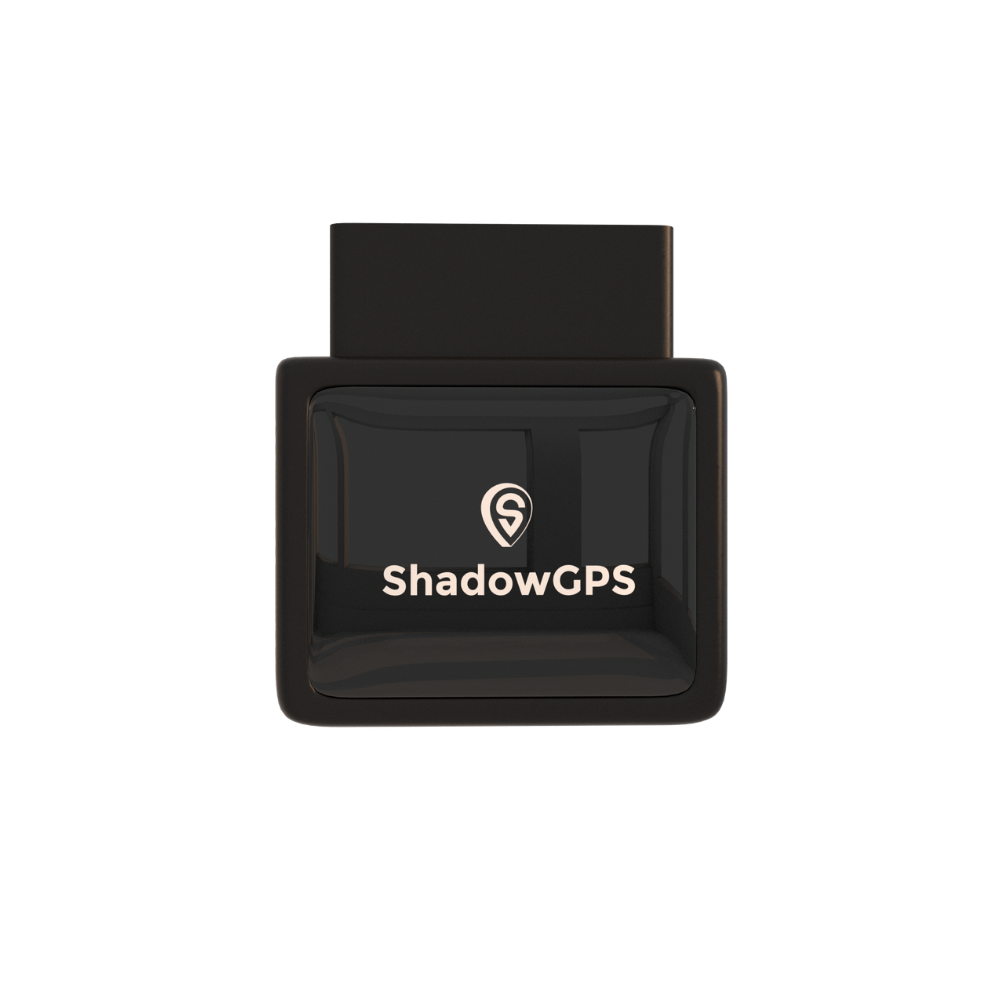
ShadowAuto
- Updates every 5 seconds while moving
- Trip timeline & trip replay
- Car Alarm & vehicle diagnostics


For a hidden or portable option, for example a trailer, a piece of equipment, or a vehicle without an OBD port, ShadowTrack covers the same live-location and trip-history job with a battery-powered, magnetic-mount device.
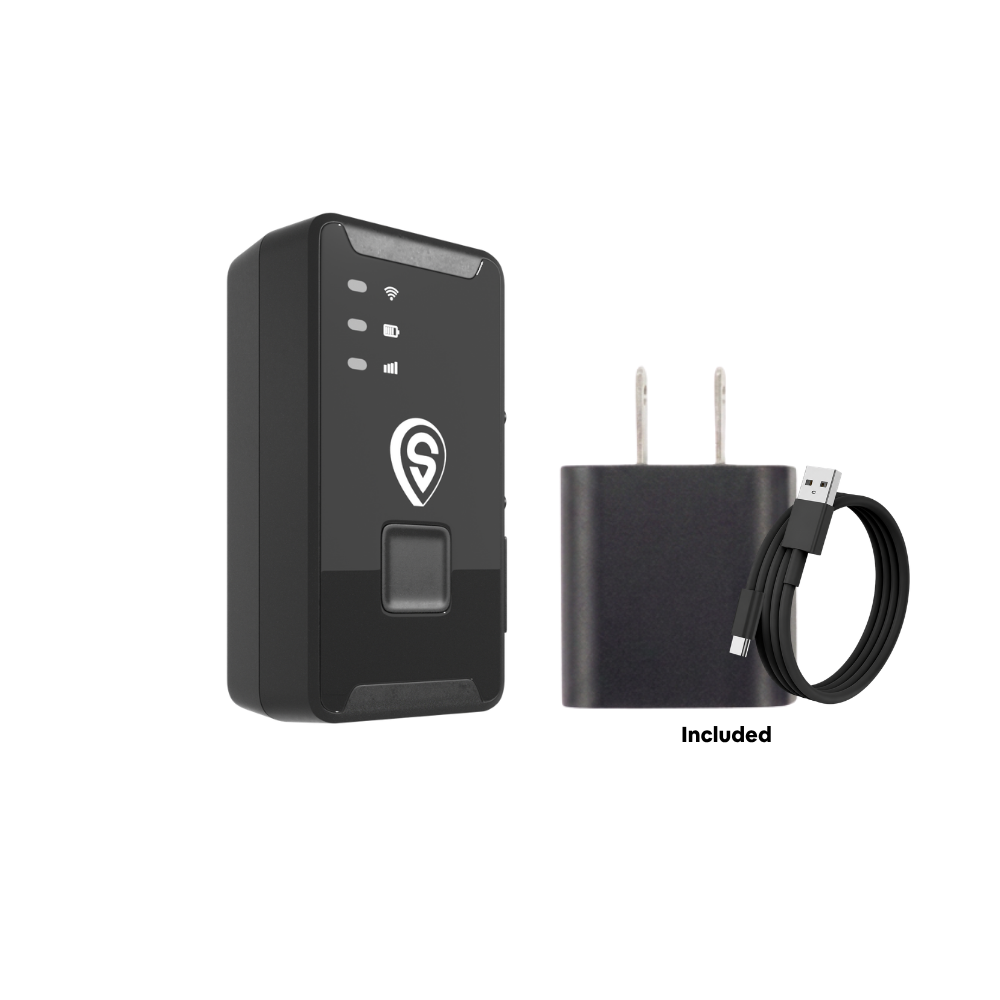
ShadowTrack
- Updates every 5 seconds while moving
- Weatherproof, magnetic mount
- Up to ~15 days per charge
Frequently Asked Questions About Telematics
What is telematics in simple terms?
Telematics combines GPS location data with onboard vehicle information and sends it over a cellular network to software, so you can see where a vehicle is and how it's being driven.
What is a telematics system on a car?
It's the onboard hardware, a telematics control unit paired with a GPS receiver and an OBD connection, that reads a car's location and vehicle data and transmits it for monitoring.
What is the difference between telematics and GPS?
GPS determines location. Telematics is the broader system combining GPS data with onboard diagnostics and analytics software, usually for fleet management, insurance, or manufacturer programs.
Is telematics a tracker?
Location tracking is one function of telematics, which also reads engine diagnostics and driver behavior. A standalone GPS tracker focuses only on location and trip history.
Can you turn off vehicle telematics?
Aftermarket OBD or app-based devices can usually be unplugged anytime. Factory-embedded systems are harder to disable and may require contacting the manufacturer, since it can also disable emergency-call features.
What does telematics mean on car insurance?
It means the insurer uses a device or app to record driving data, mileage, speed, braking, and adjusts your premium based on how you actually drive.
What are the disadvantages of telematics?
The main downsides are limited privacy, difficulty disabling factory-installed systems, potential insurance rate increases from normal driving events, and ongoing subscription costs for fleet-scale platforms.
What are examples of telematics?
Common examples include usage-based car insurance, commercial fleet telematics for route optimization and ELD compliance, and factory connected-car systems like automatic crash notification.
In one sentence
Telematics is the technology that pairs GPS location with onboard vehicle data and sends it over a cellular network to software, powering everything from fleet management and usage-based car insurance to the simple, personal GPS tracker someone plugs into their own car.
Know where it is. Every 5 seconds.
Skip the fleet-software learning curve. Plug it in, see it move, cancel any time. No contract, ever.
This guide reflects information published as of August 2026. Telematics market figures are sourced from Fortune Business Insights; subscription pricing and features are subject to change by each provider.

