

A landscaping crew leader checks his phone between jobs to confirm his fleet vehicles, three work vehicles, are where his crew said. A parent hands over the family pickup's keys for the first time and wonders if their teen drivers went straight to school. A Turo host watches their listed vehicle's dot on a map, hoping the renter treats it well.
All three questions are why gps tracking devices exist: to show you, in close to real time, where a vehicle is. Full-size pickups already have the highest theft rate of any vehicle type in the country, so a gps tracker for truck use isn't paranoid, it's practical.
This guide covers how gps tracking devices work, the key features that separate a reliable tracking device from a gimmick, the best gps tracker for truck owners and small fleet managers in 2026, real subscription costs, and the legal rules most guides skip.
The best gps tracker for truck owners depends on how the vehicle is used, but real-time tracking devices with a fast update frequency win in almost every case. For a personal vehicle or Turo rental, an OBD-II vehicle tracker like ShadowAuto plugs into the OBD II port in under 2 minutes and sends location updates every 5 seconds, powered by the car battery, no contract, ever.
For fleet vehicles or heavy equipment, a battery-powered tracker like ShadowTrack works without an OBD II port. Prioritize real time tracking and a subscription plan over a long term contract.
What Is a GPS Tracker for a Truck, and How Does It Work?
A gps tracker for truck use is a small tracking device that reports a vehicle's location using GPS. GPS itself does not transmit that location; a communication method, almost always a cellular network, sends location data to an app or web dashboard. Most gps tracking devices lean on cellular networks for real time location data, though a few fleet tracking setups add satellite backup for remote routes with no signal.
Choosing a reliable gps tracker for a truck depends on specific needs: a single personal vehicle differs from gps fleet tracking software managing a dozen work vehicles. Power source and installation type both shape gps accuracy, and this port is usually called OBD-II, though sometimes written OBD II without the hyphen.
Benefits of GPS Tracking for Trucks and Fleet Vehicles
Adding gps tracking devices to a truck, or fleet tracking to a small group of vehicles, pays off in ways that go beyond simply knowing where something is.
- Faster theft recovery. Real-time tracking data accelerates stolen vehicle recovery efforts, since law enforcement can follow live location data instead of waiting on a spotted plate.
- Lower fuel costs. Fleet managers can reduce fuel costs with gps tracking data that flags idle time, harsh braking, and routes worth adjusting to optimize routing.
- Safer driving habits. Driver behavior monitoring, alerts for hard braking rapid acceleration and speeding, coaches safer driver behavior and vehicle monitoring across a fleet before accidents happen.
- Possible insurance savings. Some insurers discount vehicles fitted with tracking devices, since gps trackers improve vehicle recovery rates significantly.
How to Choose a GPS Tracker for a Truck
Every gps tracker for truck shopping list comes down to five things: install type, update frequency, subscription cost, durability, and which key features matter across your vehicles.
Installation Type: OBD-II, Hardwired, or Battery-Powered
Installation style impacts tampering risk and setup time. OBD gps trackers are the fastest to install: plug into the OBD-II port, no wiring or professional installation required; ShadowAuto uses this format. Hardwired gps tracking connects directly to the wiring harness for continuous power, but hardwired gps trackers require professional installation in most cases, suiting fleet vehicles over one personal vehicle (see our battery powered vs. hardwired comparison). Battery powered trackers skip the port, mounting magnetically, the option for trailers, heavy equipment, or vehicles with no OBD-II port; they need charging, unlike a car gps tracker running off the car battery. ShadowTrack uses this format.
Heavy-duty vehicles add a wrinkle almost no other guide covers: Class 6-8 trucks typically use a 9-pin J1939 connector instead of the 16-pin OBD-II port on pickups, so confirm compatibility before assuming a standard OBD gps tracker will plug in. Afterward, keep a tracking device accurate: choose a secure mounting location, check periodically for loose connections, and test for an accurate vehicle's location.
Real-Time Tracking and Update Frequency
Most gps trackers send location updates anywhere from every few seconds to every few minutes; update frequency is the biggest factor in how "live" the map feels. Continuous tracking that refreshes every 5 seconds, ShadowGPS's standard, shows a vehicle's location close to instantly; slower 60-second plans leave gaps right when a theft or detour happens. GPS accuracy depends on satellite line of sight, so if comparing which gps tracker is most accurate, look for one blending GPS with cellular-tower triangulation.
Subscription Costs and Contracts
The monthly fee question comes up before almost any other, and subscription costs for gps trackers should be compared over multiple years, not just the sticker price. Subscription costs for gps trackers range from $5 to $50 a month depending on update frequency and features, and real-time tracking requires a data plan that sends updates over cellular data. Some gps trackers offer subscription plans with no long term contract; others trade a lower monthly subscription for a 2-year prepay.
Is there a gps tracker without a monthly fee? A few passive loggers store points in memory instead of sending them, skipping the subscription, but nothing about that is real time. For live location, a data plan is effectively required, so the real question is whether the fee comes with a long-term contract.
Durability for Trucks and Fleet Vehicles
Durability is crucial for trackers exposed to harsh conditions and vibrations, and a truck sees more of both than almost any other vehicle. Vehicle tracking devices built for outdoor exposure need a genuinely weatherproof case, unlike a car GPS tracker that mostly lives in a garage.
Key Features That Matter
- Geofencing. Draw virtual boundaries around a job site and get instant alerts, unlimited geofences on some plans, the moment any of your vehicles crosses the line.
- Driver behavior monitoring. Alerts for hard braking rapid acceleration and speeding flag risky habits; a few devices add accident detection to notify you after a crash.
- Trip history and route playback. Historical route playback shows exactly where a vehicle went, useful for service calls, billing disputes, or confirming a driver's business hours.
- Tamper detection. An alert the moment a tracking device is disconnected is one of the more useful theft-prevention tools, alongside tamper and theft alerts generally.
- Vehicle diagnostics. Advanced trackers provide vehicle diagnostics like fuel consumption and fault codes, lowering maintenance costs by flagging engine issues early.
- Single dashboard, multiple vehicles. Gps tracking software with a single dashboard for vehicle monitoring across every tracked vehicle matters more as a fleet grows, especially alongside dash cameras or other fleet management system add-ons.
Robust cellular networks underneath all of this are what actually keep live tracking uninterrupted across every truck in your lineup; even the longest feature list is only as good as the network carrying it to your vehicles.
The Best GPS Trackers for Trucks in 2026
Here's how the best car gps trackers built for vehicles stack up in 2026, comparing key features side by side rather than trusting one spec sheet, which leads to more informed purchasing choices. This covers a personal vehicle, a Turo rental, and gps fleet tracking for a handful of work vehicles.
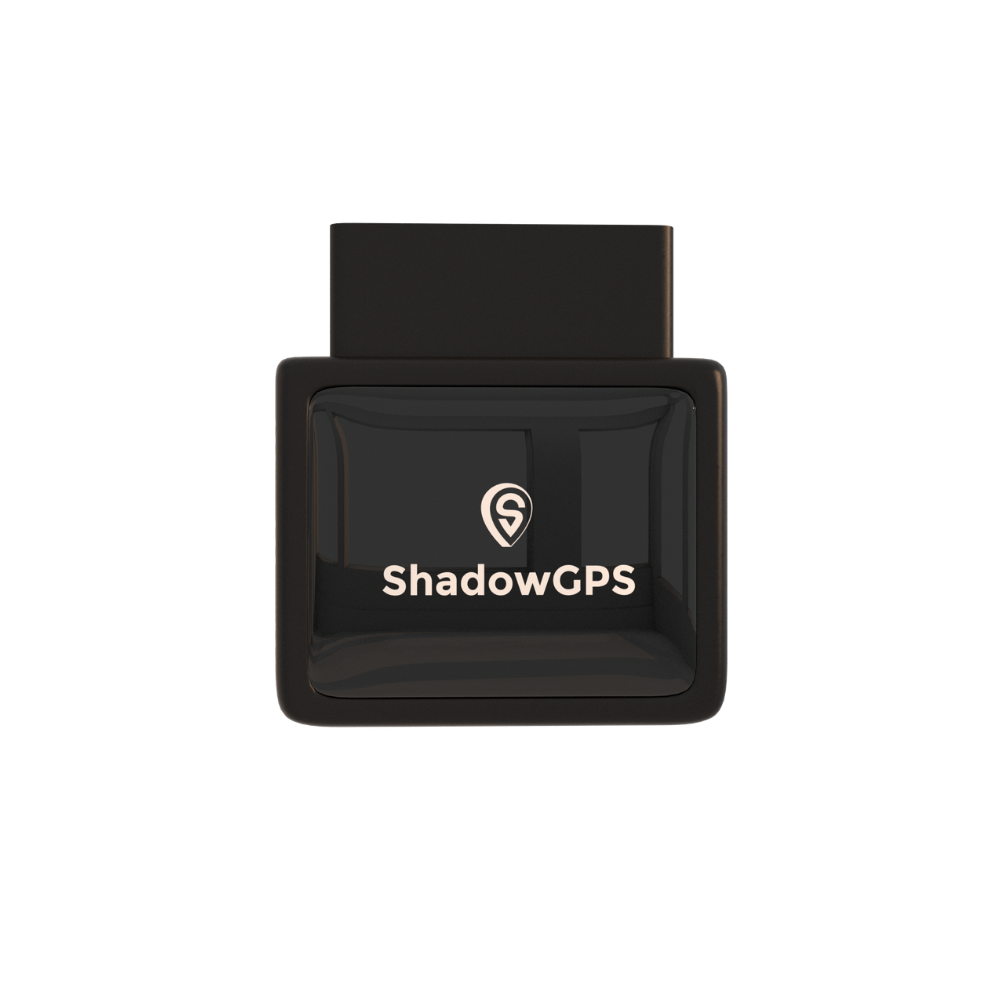
1. ShadowAuto
- Updates every 5 seconds while your vehicle is moving
- Vehicle-powered, so there's no battery life to track
- Trip history & full route playback
- Car Alarm and vehicle diagnostics in one app
 Buy Now on Amazon
Best for: a personal vehicle, a family truck, or a Turo listing where you want a plug-in vehicle tracker that skips battery life and still reports every 5 seconds. ShadowGPS includes worldwide coverage across 188 countries, and the app's short learning curve means most owners check live location within minutes of plugging in.
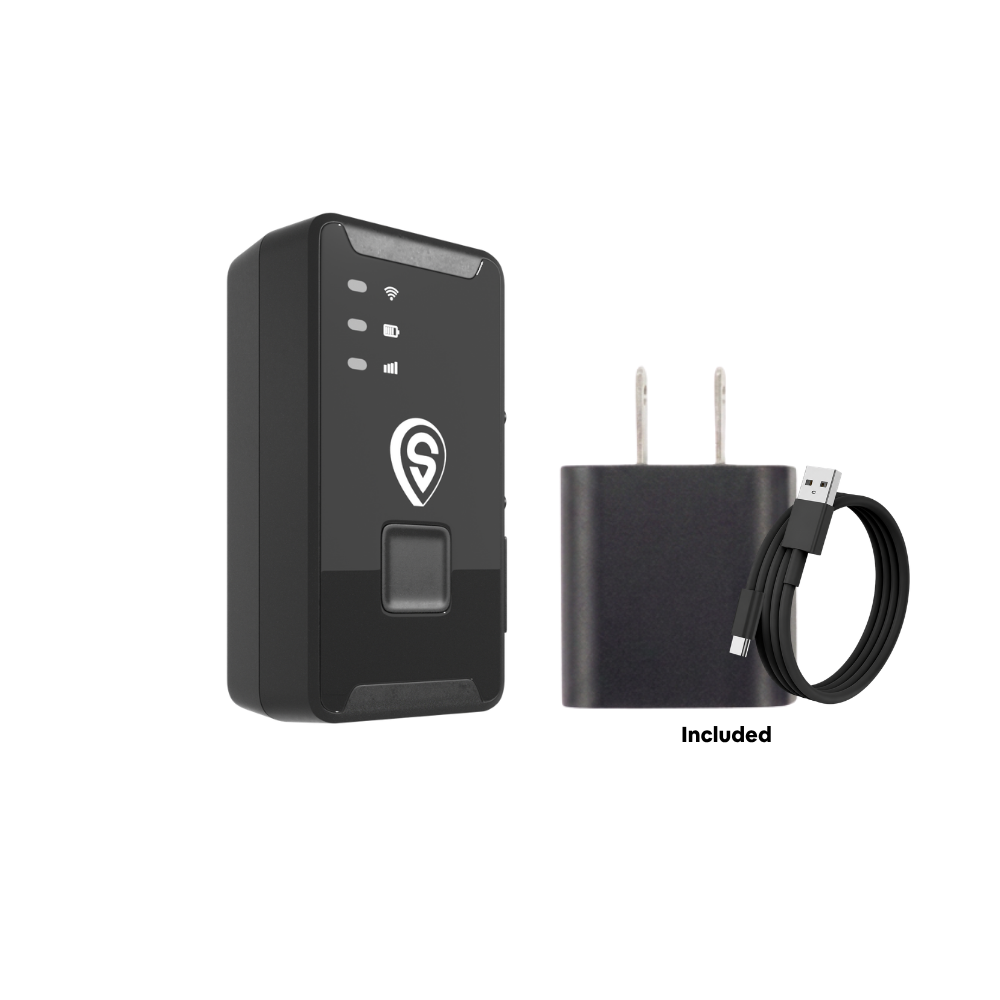
2. ShadowTrack
- Same 5-second refresh as ShadowAuto while moving
- Up to 15 days of battery life per charge
- Weatherproof magnetic case for asset tracking
- Geofence alerts the moment it leaves a job site or lot
Best for: a flatbed trailer, towed heavy equipment, or vehicles you'd rather hide a tracker on for asset tracking than plug one into the dash.
3. Bouncie
Bouncie is a well-known OBD-II tracker built around a lower price and a polished app. It updates roughly every 15 seconds while moving, about three times slower than the fastest real time tracking, and like most OBD-only vehicle gps trackers, it stops reporting once unplugged.
Pros
- Lower monthly subscription than most real-time trackers
- Simple, tool-free plug-in setup
Cons
- Slower update frequency than the fastest options
- No option for trailers or heavy equipment

Best for: a budget-focused owner comfortable with a slower refresh who only needs one vehicle tracked.
4. LandAirSea
LandAirSea is one of the longest-running names in consumer vehicle gps trackers, offering an OBD-II and a portable battery powered version. Its base plan updates about every 3 minutes, though faster tiers push update frequency to about every 3 seconds for a higher monthly subscription; some owners report fees appearing after signup.
Pros
- Established U.S. brand, hardwired and portable options
- Deep discount with a 2-year prepay
Cons
- Base plan's update frequency is too slow for real-time use
- Faster tiers cost significantly more per month
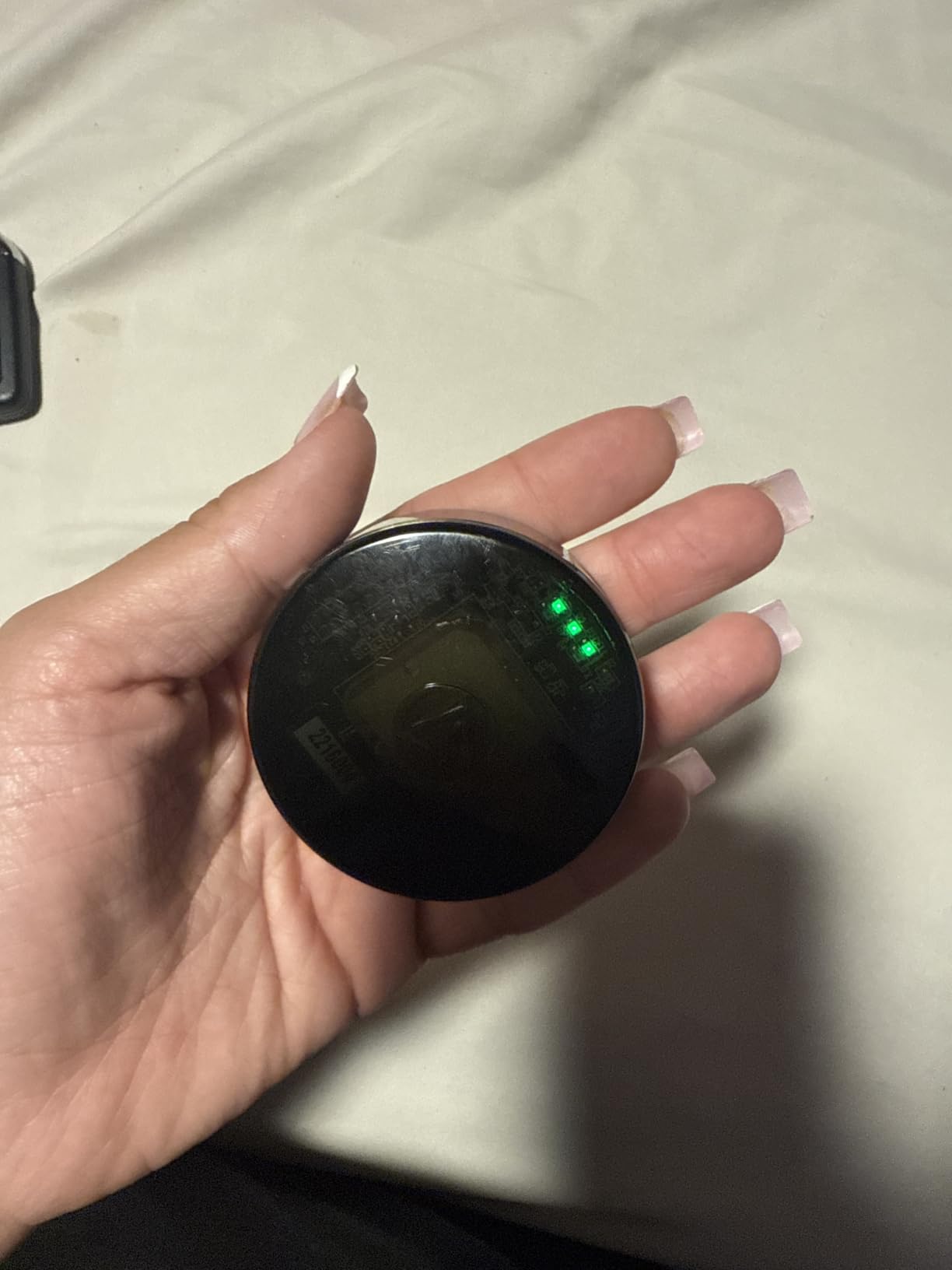
Best for: an owner-operator trading update speed for a lower entry price.
5. BrickHouse Security
BrickHouse Security builds gps tracking software and tracking devices for fleet use, scaling from a single vehicle up to a full gps fleet tracking setup. Pricing starts around $9.95 a month for basic tracking devices for fleet use, climbing toward $34.99 for fleet-tier features. One standout for asset tracking: a battery-powered model rated for up to 140 days of battery life per charge.
Pros
- Feature tiers built for fleet managers running multiple vehicles
- Long battery life options for asset tracking
Cons
- Cost compounds as you add more vehicles
- Some reports of weaker signal in low-coverage areas

Best for: a small business running 2 to 5+ vehicles that wants gps fleet tracking and fleet management without an enterprise ELD contract. See our fleet tracking guide for 3 to 10 vehicles.
GPS Tracker for Truck Comparison Table
However you weigh installation, update frequency, and subscription costs, here's how these vehicle tracking devices compare as a vehicle tracking system for gps fleet tracking or a handful of vehicles.
| Tracker | Best For | Setup | Refresh Rate | Battery Life | Monthly Plan | Contract |
|---|---|---|---|---|---|---|
| ShadowAuto | Personal vehicles, Turo, families | OBD-II plug-in | 5 sec | Vehicle-powered | $10-$13/mo with 4+ devices | None, ever |
| ShadowTrack | Trailers, equipment | Magnetic/battery | 5 sec | Up to 15 days | $10-$13/mo with 4+ devices | None, ever |
| Bouncie | Budget single-vehicle | OBD-II plug-in | 15 sec | Vehicle-powered | $9-$9.65/mo | None |
| LandAirSea | Budget / Made-in-USA | OBD-II or portable | 3 min (base) to 3 sec (top tier) | Vehicle-powered / ~2 weeks | $9.95-$49.95/mo | 2-yr for best rate |
| BrickHouse Security | Small fleets (2-5+ vehicles) | OBD-II or battery | Varies by plan | Up to 140 days (battery model) | $9.95-$34.99/mo | None |
Pricing and battery life figures are typical ranges as of August 2026 and may change; confirm current details before buying.
Best GPS Tracker for Truck by Use Case
Personal or Family Truck
Even if you only own one vehicle, a plug-in vehicle tracker like ShadowAuto is the simplest fit. It runs off the vehicle's own power, and a Car Alarm alert tells you the moment it moves without you.
Teen Drivers
Handing a truck to teen drivers for the first time is one of the top reasons parents start comparing gps tracking devices: speed alerts, geofencing around school, and hard braking alerts turn guessing into knowing.
Small Fleet (2-5+ Vehicles)
Running several work vehicles for a landscaping, delivery, or service business calls for fleet tracking devices for fleet use that scale cleanly per vehicle, without a long-term or ELD-style contract the business doesn't need.
Placing and Spotting a GPS Tracker on a Truck
Where you mount a tracking device matters almost as much as which one you buy. An OBD-II vehicle tracker plugs into the port itself, no placement choice needed. A battery-powered tracker is more flexible: a wheel well or frame rail, a bed liner or toolbox, or a trailer tongue for asset tracking on equipment not always attached to a vehicle. A secure mounting location matters more than the device itself.
Worried about unwanted gps tracking devices instead? Check the same spots: the OBD-II port, wheel wells, the frame, and toolbox. A flashlight and a slow walk-around catch most magnetic trackers, since they need a metal surface and are rarely hidden inside the cab. A cheap RF detector picks up a signal an active tracker transmits, though it won't catch a passive logger. Our guide to finding a hidden tracker has the full process.
How Much Does a GPS Tracker for a Truck Cost?
Subscription costs for gps trackers range from $5 to $50 a month depending on update frequency and features, and it's worth comparing subscription costs over multiple years, not just the first month's price, since a 2-year prepay can look cheaper upfront but cost more later. Before accepting payment plans that stretch across a long-term contract, run the math on total cost.
For a business, fleet tracking and fleet management budgets should account for hardware, subscription, and per-vehicle add-ons across the whole group of vehicles. Rough year-1 totals: ~$120-$170 for a budget OBD plan, ~$214-$250 for a real-time tracker like ShadowAuto, and $360-$540+ for a premium real-time upsell tier.
ShadowAuto and ShadowTrack are $69.90 for the tracking device, plus a subscription plan starting at $12 a month, no long-term contract, cancel any time. See current plan details on our pricing page.
Is It Legal to Put a GPS Tracker on a Truck?
Generally, yes, for a vehicle you own or have explicit permission to monitor, it's legal in the U.S. to put a gps tracker on it, covering a personal pickup, a family vehicle, or a truck listed on Turo.
It gets more specific once someone else drives it. Employers must disclose tracking to employees in many jurisdictions, since privacy laws vary by state on vehicle tracking consent, and it's worth documenting consent when tracking company cars or teen drivers. Tracking someone else's car, or a person rather than a vehicle, without consent may be illegal; our employee vehicle tracking guide covers this in depth.
Fleet tracking policies for company vehicles should be written down and shared with drivers, not introduced quietly. This isn't legal advice; check current statutes before tracking vehicles you don't own.
Frequently Asked Questions
Which GPS tracker is best for a truck?
For most personal vehicles and small fleets, a real-time OBD-II tracker like ShadowAuto is the best gps tracker for truck use: 5-second updates, no battery life to manage, no long-term contract. For a trailer or heavy equipment, a battery-powered tracker like ShadowTrack fits better.
Is there a GPS tracker without a monthly fee?
A few passive trackers log points without a monthly subscription, but they skip real time location data, you download it later. For live tracking, nearly every option needs a data plan; the better question is whether that plan comes with a long-term contract.
Does a GPS tracker for a truck need a SIM card?
Most cellular gps tracking devices, including plug-in OBD-II models, have a SIM built in, so there's no separate SIM card to buy or swap. Our SIM card guide breaks this down further.
Is installing a GPS tracker on a truck difficult?
Not for an OBD-II (or OBD II) tracker: it plugs straight into the port, no tools or wiring, usually done in under 2 minutes. A hardwired tracker takes more work and often benefits from professional installation. A magnetic, battery-powered tracker just needs a secure mounting location, whether it's for one truck or several vehicles.
How much does a GPS tracker for a truck cost?
Expect $0 to $70 upfront and roughly $5 to $50 a month depending on update frequency and features. A real-time tracker updating every 5 seconds typically runs $12 to $20 a month on top of the device cost.
Which GPS tracker is most accurate?
Accuracy depends more on satellite line of sight and cellular-tower triangulation than brand name. Trackers blending GPS with cellular positioning stay accurate in urban canyons and covered lots where GPS alone would drift.
Will a GPS tracker work on a semi-truck or heavy-duty commercial truck?
It depends on the connector. Standard OBD-II trackers fit the 16-pin port on pickups. Heavy-duty vehicles typically use a 9-pin J1939 connector instead, so check compatibility or use an adapter first.
Is a GPS tracker the same as an ELD (Electronic Logging Device)?
No. An ELD logs a commercial driver's hours of service for FMCSA compliance. A gps tracker for a truck simply reports where the vehicle is; it doesn't log driving hours on its own.
Know where your truck is. Every 5 seconds.
Plug it in, see it move, cancel any time. No contract, ever.
This guide reflects pricing and legal information published as of August 2026; specs change over time, so confirm current statutes before tracking vehicles you don't own. Vehicle theft data via the National Insurance Crime Bureau; teen driver crash data via NHTSA.

