

Quick question before your teen's next practice drive: how many supervised driving hours does your state actually require? If you're not sure, you're in good company. When researchers interviewed parents in five states, only about one in three could name the correct number for their own state.
That matters, because those hours are the only structured coaching most teens get before they drive alone. This guide gives you the exact supervised driving hours by state for all 50 states and Washington, D.C., including night and bad-weather minimums, driver's ed exceptions, and who's allowed to sit in the passenger seat. Then we'll turn the number into a simple week-by-week plan, so your teen finishes on time and actually ready.
Most states require 40 to 50 supervised driving hours, usually including 10 hours at night, before a teen can get an intermediate (provisional) license. Fifty hours is by far the most common rule. The range runs from no state minimum (Arkansas and Mississippi) up to 65 hours in Pennsylvania and 70 hours in Maine. Oregon requires 100 hours if your teen skips driver's education.
What are supervised driving hours?
Supervised driving hours are the practice time a teen with a learner's permit must spend behind the wheel with a qualified adult in the front passenger seat before applying for a provisional license. A parent or guardian usually certifies the hours on a state form, and many states require a set number of those hours to happen at night.
Supervised practice is one piece of a bigger system called graduated driver licensing, or GDL. Every state uses some version of it, and knowing where the hours fit helps you plan the whole year, not just the permit months.
Where supervised hours fit in graduated driver licensing (GDL)
- Stage 1, learner's permit: your teen drives only with a supervising adult. This is when the required supervised driving hours get logged, during a mandatory holding period (often 6 to 12 months).
- Stage 2, intermediate or provisional license: your teen can drive alone, but with night-driving curfews and passenger limits. A few states (Iowa, North Carolina and D.C.) require more supervised hours during this stage.
- Stage 3, full license: restrictions lift, usually around age 17 or 18 with a clean record.
Supervised driving hours by state (2026 table)
Here's the full list of supervised driving hours by state, based on the Insurance Institute for Highway Safety's graduated licensing table updated October 2026. "Holding period" is the minimum time your teen must hold a learner's permit before moving up a stage.
| State | Supervised hours | Night hours | Permit holding period | Key exceptions & notes |
|---|---|---|---|---|
| Alabama | 50 | Not specified | 6 months | None required with driver's ed; supervisor must be a parent, guardian, grandparent or instructor (any licensed adult 21+ once the teen turns 16) |
| Alaska | 40 | 10 (night or bad weather) | 6 months | Night and inclement-weather hours can be combined |
| Arizona | 30 | 10 | 6 months | None required with driver's ed |
| Arkansas | None | None | 6 months | No state minimum; plan your own target |
| California | 50 | 10 | 6 months | Teens without driver's ed must wait until 18 for a license |
| Colorado | 50 | 10 | 12 months | Driver's ed required for permit applicants under 18 |
| Connecticut | 40 | Not specified | 6 months (4 with driver's ed) | Professional instruction counts toward the 40; parents attend a 2-hour class |
| Delaware | 50 | 10 | 6 months | Driver's ed required under 18 |
| District of Columbia | 40 + 10 | 10 (in intermediate stage) | 6 months | 40 hours as a learner, then 10 night hours as an intermediate driver |
| Florida | 50 | 10 | 12 months | Supervising driver must be licensed and 21+ |
| Georgia | 40 | 6 | 12 months | Driver's ed required for license applicants under 18 |
| Hawaii | 50 | 10 | 6 months | Driver's ed required under 18 |
| Idaho | 50 | 10 | 6 months | Intermediate license possible at 15 |
| Illinois | 50 | 10 | 9 months | Driver's ed enrollment required for a permit |
| Indiana | 50 | 10 | 6 months | Permit age and license age depend on driver's ed |
| Iowa | 20 + 10 | 2 + 2 | 12 months | 20 hours on the permit, 10 more during the intermediate stage |
| Kansas | 50 | 10 | 12 months | At least 25 hours needed before a restricted license |
| Kentucky | 60 | 10 | 6 months | Permit curfew midnight to 6 a.m. |
| Louisiana | 50 | 15 | 6 months | Driver's ed required for all applicants |
| Maine | 70 | 10 | 6 months | Highest flat requirement; applies to applicants under 21 |
| Maryland | 60 | 10 | 9 months | Applies under 25 (14 hours if 25+); a detailed practice log is submitted |
| Massachusetts | 40 | Not specified | 6 months | 30 hours with an approved off-road skills program |
| Michigan | 50 | 10 | 6 months | Driver's ed Segment 1 required for the permit |
| Minnesota | 40 (50 without parent class) | 15 | 6 months | 10 extra hours unless a parent completes the supplemental course |
| Mississippi | None | None | 12 months | No state minimum; driver's ed required under 18 |
| Missouri | 40 | 10 | 6 months | |
| Montana | 50 | 10 | 6 months | 75 hours (15 at night) if the parent teaches the hands-on portion of an online course |
| Nebraska | 50 | 10 | 6 months | None required with driver's ed |
| Nevada | 50 | 10 | 6 months | None required with a defensive driving course |
| New Hampshire | 40 | 10 | No permit issued | Teens may practice from 15 and a half with a licensed driver 25+ |
| New Jersey | 50 | 10 | 6 months | Required for permits issued on or after Feb. 1, 2025 |
| New Mexico | 50 | 10 | 6 months | Driver's ed required under 18 |
| New York | 50 | 15 | 6 months | Certified on form MV-262; special NYC and Long Island rules |
| North Carolina | 60 + 12 | 10 + 6 | 9 months | 12 more hours (6 at night) to move to a full provisional license |
| North Dakota | 50 (if under 16) | Not specified | 12 months under 16; 6 months at 16+ | No hour minimum for applicants 16 and older |
| Ohio | 50 | 10 | 6 months | Adult signs an affidavit of hours |
| Oklahoma | 50 | 10 | 6 months | Permit holders drive only 5 a.m. to 10 p.m. |
| Oregon | 50 (100 without driver's ed) | Not specified | 6 months | Highest total for families who skip driver's ed |
| Pennsylvania | 65 | 10 (plus 5 in bad weather) | 6 months | No documented hours, no road test |
| Rhode Island | 50 | 10 | 6 months | Parents attend a required course |
| South Carolina | 40 | 10 | 6 months | Intermediate license possible at 15 and a half |
| South Dakota | 50 | 10 (plus 10 in bad weather) | 9 months (6 with driver's ed) | Permit available at 14 |
| Tennessee | 50 | 10 | 6 months | Permit curfew 10 p.m. to 6 a.m. |
| Texas | 30 | 10 | 6 months | Separate from driver's ed instruction hours |
| Utah | 40 | 10 | 6 months | Up to 5 hours may be in a driving simulator |
| Vermont | 40 | 10 | 12 months | Driver's ed required under 18 |
| Virginia | 45 | 15 | 9 months | Parent segment built into teen driver's ed |
| Washington | 50 | 10 | 6 months | Parent or guardian signs off for the intermediate license |
| West Virginia | 50 | 10 | 6 months | None required with driver's ed |
| Wisconsin | 50 | 10 | 6 months | Each hour with a qualified instructor may count as 2 hours |
| Wyoming | 50 | 10 | 10 days | Shortest permit holding period in the U.S. |
Source: IIHS graduated licensing laws table (October 2026), plus state DMV publications for Florida, New Jersey and Wisconsin details. Laws change, and some states have extra rules for applicants 18 and older. Always confirm with your state's DMV before your teen's road test.
How states compare: highest, lowest and most common
Once you look at the full table, a few clear patterns jump out. Here's the short version.
The most common requirement: 50 hours with 10 at night
More than half the states use the "50 and 10" formula, including California, Florida, New York, Illinois, Ohio, Michigan and Washington. If you've heard "50 hours" from other parents, this is why.
States with the highest supervised driving hours
- Oregon: 100 hours if your teen doesn't take driver's ed (50 with it).
- Maine: 70 hours, 10 at night.
- North Carolina: 72 hours in total across two stages (60 + 12).
- Pennsylvania: 65 hours, including 10 at night and 5 in bad weather.
- Kentucky and Maryland: 60 hours each, 10 at night.
States with the lowest (or no) requirement
- No minimum: Arkansas and Mississippi.
- Waived with driver's ed: Alabama, Arizona, Nebraska and West Virginia. Nevada waives it with a defensive driving course.
- Lowest set numbers: Iowa (20 + 10), Arizona and Texas (30 each).
Night and bad-weather requirements
Ten night hours is standard. Louisiana, Minnesota, New York and Virginia ask for 15, Georgia asks for 6, and Iowa asks for 2 in each stage. Only a handful of states require bad-weather practice: Pennsylvania (5 hours), South Dakota (10 hours), and Alaska, which lets night and inclement-weather hours share the same 10.
Even if your state doesn't require rain practice, do it anyway. The first time your teen drives on a wet highway should not be the first time they drive alone.
Does driver's ed reduce supervised driving hours?
Sometimes, and the rules vary a lot. Here's how driver's education changes the math in different states:
- It replaces the requirement entirely in Alabama, Arizona, Nebraska and West Virginia.
- It cuts the total in half in Oregon (100 hours without, 50 with).
- Instructor time counts extra in Wisconsin, where each instructor hour may count as two.
- Instructor time counts toward the total in Connecticut.
- It's completely separate in states like Texas, where driver's ed instruction hours don't count toward the 30 supervised hours.
Our take: even where driver's ed waives the hours, plan on 50 anyway. A waiver lowers the paperwork, not the risk.
Who can supervise practice driving?
It depends on your state. Most require a licensed adult of a minimum age in the front passenger seat, often 21 (Florida) and sometimes 25 (New Hampshire). Alabama limits it to a parent, guardian, grandparent or driving instructor until the teen turns 16, and Utah requires a parent, guardian, instructor or an adult who signed to accept liability on the permit application. The supervisor should be sober, off the phone and paying attention. If they can't take the wheel mentally, the hour shouldn't count.
Is 50 hours enough? What the research says
Here's something most guides skip: the number on the form isn't the whole story. The research points to a few honest takeaways.
- Hours on paper don't automatically equal safety. A federal analysis by NHTSA found no clear relationship between the number of hours a state required and fatal crash involvement among young drivers. Part of the reason: most parents didn't know the requirement, so many teens never hit it.
- Real practice does help. A National Academies report found that teens who got more driving exposure as learners had fewer crashes, and suggested states require no less than about 45 hours, the Virginia standard. The same work found that at least half of teens may not be getting their full required hours.
- Safety advocates want more. Advocates for Highway and Auto Safety recommends 70 supervised hours. Only Maine requires that many today.
The lesson for parents is simple. Treat your state's number as the floor, log every hour honestly, and make the hours varied. Fifty hours of the same school run teaches less than 30 hours across highways, night, rain and unfamiliar roads.
A practical plan: the 4-stage hour ladder
Here's a framework you can use for any state. It's built around 50 hours, so scale each stage up or down to match your requirement. The idea is to add one new layer of difficulty at a time.
| Stage | Hours (of 50) | Where to drive | Skills to master |
|---|---|---|---|
| 1. Foundation | 1 to 8 | Empty lots, quiet streets, daytime | Smooth braking, steering, mirrors, parking |
| 2. Neighborhood | 9 to 20 | Residential and suburban roads | Stop signs, left turns, school zones, following distance |
| 3. Real traffic | 21 to 38 | Multi-lane roads, highways, night, rain | Merging, lane changes, night driving, wet roads |
| 4. Solo rehearsal | 39 to 50+ | Unfamiliar routes, mixed conditions | Teen plans and drives whole trips; parent speaks only for safety |
Stage 1: Foundation (hours 1 to 8)
Start somewhere boring on purpose. A big empty parking lot on a Sunday morning lets your teen learn how the car responds without traffic pressure.
Skills to check off
- Gentle stops from 10, 20 and 25 mph
- Hand position, mirror checks and blind-spot glances
- Forward and reverse parking
Stage 2: Neighborhood (hours 9 to 20)
Move to low-speed streets you know well. This is where intersections, right-of-way and pedestrians become real.
Skills to check off
- Full stops and four-way stop etiquette
- Unprotected left turns
- School zones and parked-car awareness
Stage 3: Real traffic (hours 21 to 38)
Now layer on speed, volume and darkness. Aim to get most of your required night hours here, once basic control is automatic.
Skills to check off
- Highway merging and exiting
- Lane changes with a full head check
- Night driving, including glare from oncoming headlights
- At least a few drives in rain
Stage 4: Solo rehearsal (hours 39 to 50 and beyond)
Flip roles. Your teen picks the destination, plans the route and makes every call while you stay quiet unless something is unsafe. This is the closest thing to driving alone, and it's the stage most families skip.
Skills to check off
- Navigating unfamiliar areas without step-by-step help
- Handling a detour or a missed turn calmly
- Practicing the likely road-test route
How many hours per week does your teen need?
Use this formula: required hours ÷ weeks in the holding period = hours per week. Then add a buffer, because school, sports and weather will steal some weeks.
| Requirement | Holding period | Minimum per week | Smart target per week |
|---|---|---|---|
| 40 hours (e.g. Georgia, Missouri) | 6 months (26 weeks) | About 1.5 hours | 2 hours |
| 50 hours (most states) | 6 months (26 weeks) | About 2 hours | 2.5 hours |
| 50 hours (e.g. Florida, Colorado) | 12 months (52 weeks) | About 1 hour | 1.5 hours |
| 60 hours (e.g. Maryland) | 9 months (39 weeks) | About 1.5 hours | 2 hours |
| 65 hours (Pennsylvania) | 6 months (26 weeks) | 2.5 hours | 3 hours |
| 70 hours (Maine) | 6 months (26 weeks) | About 2.7 hours | 3 to 3.5 hours |
Example: picture an Ohio family whose teen gets a permit at 15 and a half. Ohio needs 50 hours, 10 at night, over at least 6 months. Two 45-minute weekday drives (school pickup and an evening errand) plus one 60-minute weekend drive adds up to 2.5 hours a week. That finishes the hours in about 20 weeks, with roughly six weeks of cushion before the earliest test date.
How to log supervised driving hours (and not lose them)
Most states ask a parent to sign a certification, and some want the full log. Maryland, for example, requires a detailed practice log to be submitted. A lost notebook in month five is a real problem, so set up your system on day one.
What to record for every drive
- Date, start time and end time
- Total minutes, and whether it was day or night
- Weather and road type (residential, highway, rural)
- One or two skills practiced
- Supervisor's initials
Paper log, logging app or trip history?
Use your state's official log or certification form as the final record. Many states publish one, such as New York's MV-262 and Michigan's supervised driving log. A phone logging app is handy, but only if someone remembers to start it. Night hours are the ones families most often lose track of, so double-check those.
If you have a GPS tracker in your car, its trip history makes a great backup. Every drive is recorded with a date, start and end time and the route, so you can fill in the official form accurately at the end of each week. It shows the car's trips, not who was supervising, so your signature on the state form still does the certifying.
After the hours: the first six months of solo driving
Here's the part that surprises many parents. The riskiest time isn't the permit stage, when an adult is in the car. It's the first months after your teen starts driving alone.
- Per mile driven, drivers ages 16 to 19 have a fatal crash rate almost three times as high as drivers 20 and older, according to the CDC.
- Crash risk is highest in the first months of licensure. Per mile, 16-year-olds crash about 1.5 times as often as 18- and 19-year-olds.
- At night, teen drivers' fatal crash rate is about three times that of adults ages 30 to 59.
- Each additional teen passenger raises the crash risk for an unsupervised teen driver.
That's exactly why GDL laws add night curfews and passenger limits after the permit. Your job doesn't end when the log is signed. It just changes shape.
Keep coaching after the license
- Write a parent-teen driving agreement. The CDC offers a free template that covers curfews, passengers, phones and consequences.
- Keep riding along sometimes. A few drives a month with you in the passenger seat keeps skills sharp and habits honest.
- Review real trips together. Talk through a hard merge or a late return the same way a coach reviews game film.
How a GPS tracker fits in (with your teen's knowledge)
A tracker doesn't replace coaching, and it works best when your teen knows it's there and why. Think of it as a light version of the passenger seat. You can see where your car is, replay a trip together, and get a heads-up if a curfew or speed rule is broken, without texting your teen while they drive.
Review trips together
Trip timeline and trip replay turn "how was the drive?" into a real coaching conversation.
Curfew and zone alerts
Set zones around home, school or work and get an alert when your car arrives or leaves, which lines up neatly with GDL night curfews.
Speeding alerts
Pick a speed that makes sense for your family and get notified if it's exceeded, so you can talk about it later, not mid-drive.
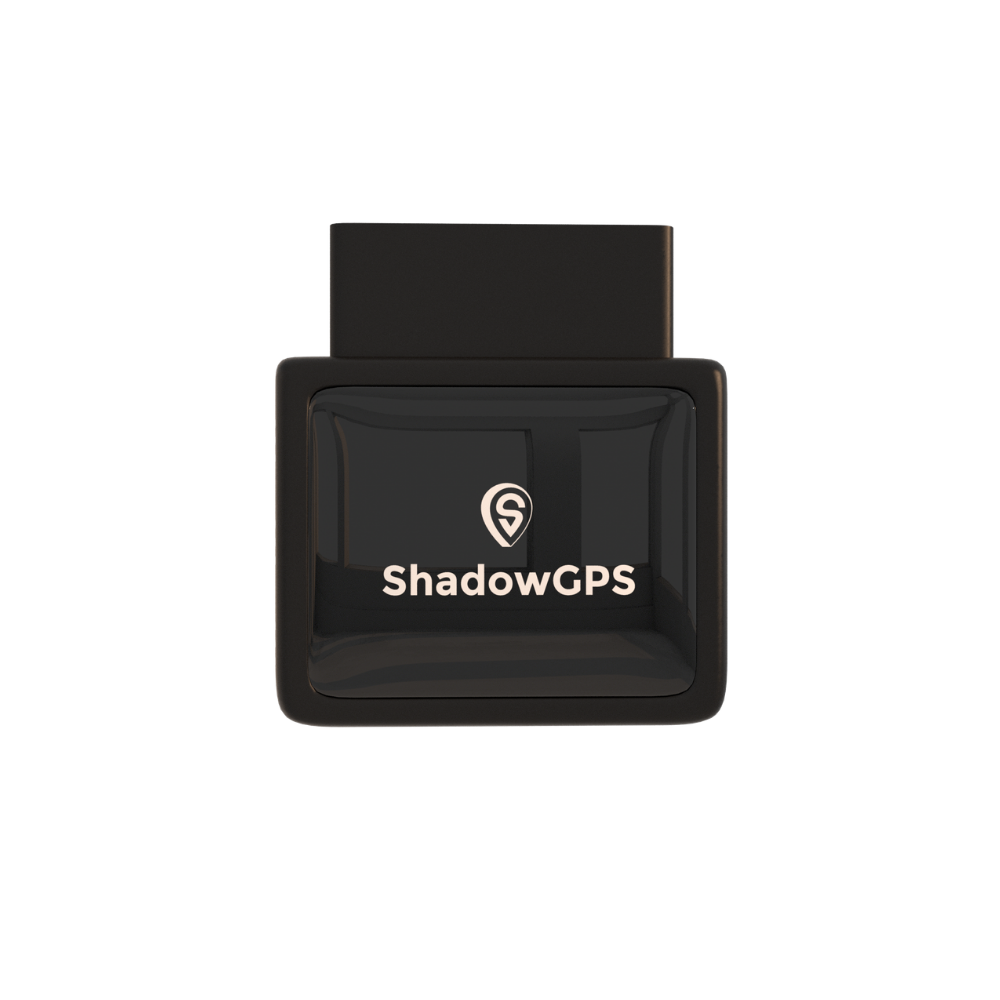
For a teen's car, an OBD-II tracker is the simplest option. You plug it in under the dashboard in about two minutes, it runs off the car's power, and there's nothing to charge. Not sure where the port is? Here's how to find your OBD-II port in 30 seconds.
ShadowAuto
- Live location every 5 seconds while your car is moving
- Trip timeline and trip replay to review drives together
- Speeding, zone and Car Alarm alerts on your phone


For a deeper look at choosing one, read our guide on GPS trackers for teen drivers: what every parent should know, or see how parents set up geofence alerts.
Ways to log hours and stay in the loop: compared
No single tool does everything. Here's how the common options stack up for families moving from permit to provisional license.
| Option | Records drives automatically | Shows day vs. night | Useful after the license | Relies on teen's phone | Official proof of hours |
|---|---|---|---|---|---|
| State paper log or form | No, written by hand | If you write it down | No | No | Yes, it's the official record |
| Phone logging app | Usually manual start and stop | Yes | No | Yes | Depends on your state; copy totals to the form |
| Phone location-sharing app | Tracks the phone, not the car | Partly | Yes | Yes | No |
| ShadowAuto (OBD-II tracker) | Yes, every trip your car takes | Yes, timestamped | Yes, with alerts and trip replay | No, it plugs into your car | No, use trip history to fill in the state form |
7 common mistakes parents make with supervised hours
- Guessing the number. Check the table above, then confirm with your DMV.
- Backloading night hours. Winter evenings make night practice easy. Summer makes it hard. Plan around the season.
- Logging from memory. Write each drive down the same day.
- Repeating the same route. The commute to school becomes autopilot by week three.
- Skipping highways and rain. These are the conditions teens fear most, which is exactly why they need practice.
- Stopping at the minimum. The state number is a floor, not a finish line.
- Disappearing after the road test. The first six months alone are the riskiest. Stay involved.
Is it legal to put a GPS tracker on your teen's car?
In general, parents can track a car they own or co-own, especially when the driver is their minor child. Laws vary by state, so check yours, and the best practice is to tell your teen up front and explain the rules that come with the keys. Openness builds trust, and trust is what makes the tracker a coaching tool instead of a point of conflict. This isn't legal advice; if you're unsure, ask a local attorney.
Frequently asked questions
How many supervised driving hours does a teen need?
Most states require 40 to 50 hours, with 50 hours and 10 at night being the most common rule. Requirements range from none in Arkansas and Mississippi to 65 in Pennsylvania and 70 in Maine, or 100 in Oregon without driver's ed.
Do night hours count toward the total?
Yes, in most states the night hours are part of the total, not extra. For example, 50 hours with 10 at night means 40 daytime hours plus 10 night hours. D.C., Iowa and North Carolina add separate hours in the intermediate stage.
Do driver's ed hours count as supervised driving hours?
It depends on the state. Connecticut counts professional instruction, Wisconsin may count each instructor hour as two, and Alabama, Arizona, Nebraska and West Virginia waive supervised hours with driver's ed. In Texas, driver's ed instruction is separate from the 30 practice hours.
How many hours a week should my teen practice?
Divide your state's required hours by the weeks in the permit holding period, then add a buffer. For 50 hours over 6 months, that's about 2 hours a week, so aim for 2.5.
Who is allowed to supervise a permit driver?
Usually a licensed adult who meets a minimum age, often 21 and sometimes 25 (New Hampshire). Some states limit it further to parents, guardians or instructors. Check your state's permit rules.
Can I use an app or GPS tracker to log driving hours?
You can use them to keep track, but the official proof is usually your state's certification form or log, signed by a parent or guardian. A tracker's trip history is a reliable backup for dates, times and night drives when you fill that form out.
What happens if we move states during the permit stage?
Generally, your new state's rules apply, and it decides whether to credit hours already logged. Keep your old log and call the new state's DMV before your teen applies for a license.
Is 50 hours of practice really enough?
It's a solid floor, not a guarantee. Research shows more varied practice is linked to fewer crashes, and safety advocates recommend 70 hours. Mix in highways, night, rain and unfamiliar routes, and keep riding along after the license.
Is there a monthly fee for ShadowAuto?
Yes, there's a monthly fee for the live tracking service, and there's no contract. Go month-to-month, or prepay and save. You can cancel any time.
Does a GPS tracker for my teen's car need a SIM card?
You don't need to buy or set up a separate SIM or phone plan. ShadowAuto connects over the cellular network covered by your ShadowGPS plan, so you just plug it in and open the app.
The hours end. Your peace of mind shouldn't.
Log the hours, coach the skills, then stay in the loop for the first year alone. Plug it in, see it move, cancel any time.
State requirements summarized from the IIHS graduated licensing laws table (October 2026) and state DMV publications; crash statistics from the CDC. Requirements change, so confirm with your state DMV. Pricing current as of October 2026. This post contains affiliate links; we may earn a commission at no extra cost to you. Nothing here is legal advice.
