

You walk back to where you parked, and the spot is empty. Your stomach drops and your brain jumps straight to theft. Take one breath first: figuring out how to tell if your car was towed takes about 10 minutes when you check things in the right order.
That answer decides everything that comes next. A tow means a phone call, a trip to a lot, and a bill that grows every day you wait. A theft means a police report, a call to your insurer, and a race against the clock.
This guide gives you the exact order to check, the clues that separate a tow from a theft (or a repo, or a quiet relocation two blocks over), and how to find your towed car fast before storage fees stack up. You will also see the shortcut parents, Turo hosts, and small fleet owners use so they never have to guess again.
To tell if your car was towed, check five things in order: posted tow-away signs (and the tow company's phone number), the ground for broken glass, the surrounding blocks, your city's towed-vehicle locator (search by license plate or VIN), and the police non-emergency line. If none of them has a record and your lender didn't repossess it, report it stolen. If your car has a GPS tracker, open the app: the live map answers "towed or stolen" in seconds.
We built this guide from official city towing portals, state vehicle code requirements, sheriff and police impound FAQs, and National Insurance Crime Bureau (NICB) data, then checked it against what actually happens to owners when the paperwork goes sideways. Laws and fees differ by city, so treat the numbers here as examples and confirm locally.
Towed or Stolen? Run This 8-Step Check First
Do these in order. The first four take under five minutes and need nothing but your eyes and your phone.
- Confirm the spot and rule out anyone with a spare key.
- Read every sign within sight, including temporary paper ones.
- Check the ground for broken glass or debris.
- Walk two to four blocks in every direction.
- Search your city's towed-vehicle locator by plate, then by VIN.
- Call the police non-emergency line (not 911).
- Call your lender or leasing company about a possible repo.
- Report it stolen if nobody has a record.
Step 1: Confirm the spot and rule out a borrower
It sounds obvious, but parking garages with identical levels and look-alike side streets fool everyone. Check whether your phone saved a parked-car pin in Apple Maps or Google Maps, and scroll your photos for a shot of the level or street sign.
Then text anyone with a spare key: your partner, your teen driver, a roommate. A two-minute text has ended plenty of "stolen car" panics.
Step 2: Read every sign within sight
Private lots almost always post who tows from them. J.D. Power notes that parking lots typically display red-and-white signs at the entrance or exit with the towing company's name and phone number. See their towing guide.
On the street, look for temporary paper "No Parking" signs taped to poles for street cleaning, construction, filming, parades, or moving trucks. These often go up after you park. Snap a photo of every sign: it is your evidence if you later dispute the tow.
Step 3: Look at the ground where your car was
Small cubes of safety glass at the curb suggest a broken side window, which points toward a break-in or theft. No glass and no debris leans toward a tow, since a tow truck has no reason to break a window when it can lift your car.
Neither clue proves anything on its own. Treat it as a tiebreaker, not a verdict.
Step 4: Walk two to four blocks
Some cities do not haul your car to a lot at all. They move it to a legal spot nearby to clear a street for emergencies, events, or utility work. Chicago, for example, asks owners to call 311 to find a relocated vehicle, and Buffalo warns that a car missing from its tow list may have been "mini-towed" instead.
Walk the side streets and check both sides. Relocated cars rarely show up in an online database right away.
Step 5: Search your city's towed-vehicle locator
Most large US cities run a free online search. Chicago's Tow/Stolen Vehicle Search checks city tows, private lot tows reported to police, repossessions, and stolen reports in one place, updated every hour. Houston police run FindMyTowedCar.com, which searches by plate or VIN. For anywhere else, search "[your city] towed vehicle locator" or "[your county] impound lot search."
Two pro tips. First, if your plate returns nothing, search again by VIN, because a tired data-entry clerk can turn an "O" into a "0." Second, records lag. If you come up empty, wait 30 to 60 minutes and search again before you assume theft.
Step 6: Call the police non-emergency line
Police keep logs of the tows they order, and in many states private tow companies must report their tows too. In California, the property owner must notify local police within one hour of authorizing a private property tow, and a tow company that fails to notify San Francisco police within 30 minutes of removing a car can owe three times the towing and storage charges.
Have this ready when you call: plate number and state, VIN, make, model, color, year, and the exact address and time you parked. Use the non-emergency number. A missing car you have not yet confirmed stolen is not a 911 call.
Step 7: Call your lender or leasing company
If you financed or leased your car and missed a payment, a repossession agent may have taken it. Repos do not always show up in city databases right away, but your lender will know. Ask who holds the car and how to get your personal belongings back.
Step 8: Still nothing? Report it stolen
If the city, the police, and your lender have no record, file a stolen vehicle report and call your insurance company the same day. The Colorado Auto Theft Prevention Authority adds an important follow-up: once a stolen car is entered into the national crime database, only police can clear that status, so tell them right away if your car turns up. Our stolen car recovery steps walk through the next few hours in detail.
Towed vs. Stolen vs. Repossessed vs. Relocated: How to Tell
A missing car is almost always one of these four. Here is how each one usually looks at the scene and who to call first.
| What happened | Typical clues at the spot | Who knows where it is | Your first call |
|---|---|---|---|
| Towed (police or city) | Hydrant, fire lane, permit zone, expired meter, temporary sign, unpaid tickets | City impound or auto pound | City towed-vehicle locator, then police non-emergency |
| Towed (private property) | Apartment, HOA, or store lot with a posted tow-away sign | The tow company named on the sign | The number on the sign |
| Repossessed | Legal spot, no glass, missed loan or lease payments | Your lender and its repo agent | Your lender |
| Relocated ("courtesy" tow) | Street work, event, or emergency nearby; other cars also moved | The police district or 311 | 311 or the local police district |
| Stolen | Glass on the ground, legal spot, no record anywhere after a few hours | Nobody, until it is found | Police report, then your insurer |
Clues That Point to a Tow vs. Clues That Point to Theft
Use this as a quick gut check while you work through the steps above. The more clues on one side, the stronger the signal.
Points to a tow
- A tow-away or temporary no-parking sign is posted nearby
- You parked by a hydrant, in a fire lane, permit zone, or across a driveway
- Your meter expired or you overstayed a timed lot
- You have unpaid tickets or expired registration
- No glass on the ground, and other cars on the block are gone too
Points to theft
- Broken safety glass where your car was parked
- You were parked legally with no signs anywhere
- Your spare key or fob is missing
- The city, police, and your lender have no record after a few hours
- Your car is a frequently stolen model (the Hyundai Elantra topped the 2025 list)
Theft is less common than it was a few years ago, but it has not gone away. The NICB counted 659,880 vehicles reported stolen in 2025, a 23% drop from 2024, with the Los Angeles metro area alone logging 53,911 thefts. If you want the bigger picture, read GPS trackers vs. car theft: real stats.
The 4 Types of Tows (and Who Has Your Car)
Knowing which kind of tow you are dealing with tells you exactly where to look and who can release your car.
1. Police or city-ordered tow
Police and parking enforcement tow cars that block traffic, sit in fire lanes, have piles of unpaid tickets, or were involved in a crash or arrest. These cars go to a city impound lot or an authorized "police garage."
Where to look
Your city's towed-vehicle locator or the police non-emergency line. If the tow was tied to a police investigation, you may need the agency's written release before the lot will hand over your car, as Portland explains in its towing FAQ.
2. Private property tow
Apartment complexes, HOAs, shopping centers, and restaurants hire tow companies to clear unauthorized cars. These are the most common "I only ran inside for a minute" tows.
Where to look
The phone number on the lot's tow-away sign. If there is no sign, call the police: in many states the tow company must report the tow, so police can tell you which company has it.
3. Repossession
A lender can repossess a financed or leased car after missed payments, often overnight and without warning. Your car will not show up as "towed" for parking reasons.
Where to look
Call your lender directly. Ask where the car is stored, what it takes to reinstate the loan, and how to collect your personal belongings.
4. Courtesy or relocation tow
Cities sometimes move legally parked cars a few blocks away for street work, parades, or emergencies. Your car is not impounded, but nobody tells you where it went.
Where to look
Walk the surrounding blocks, then call 311 or the local police district and ask specifically about a "relocated" or "courtesy" tow.
Case study: the courtesy tow nobody could find
After an Eagles game, a South Jersey mom came back to find her car gone from a Philadelphia street. The parking authority had no record of a ticket or tow. Police told her it had been courtesy towed by an outside vendor to an unknown street, but the district had no record of where. An officer drove her around looking for it, they never found it, and she ended up filing a stolen vehicle report. A police plate reader had spotted the car at 2 a.m., and days later it was still missing, according to CBS Philadelphia.
The lesson: paperwork fails. When the system loses track of your car, the only record you can count on is one you own.
How to Find Your Towed Car Fast
Once you know your car was towed, speed matters. Every day at the lot adds storage fees, and in some places the clock toward a lien sale starts right away.
Information to have ready
- License plate number and state. This is the first thing every locator and dispatcher asks for.
- VIN. Find it on your insurance card, registration, loan paperwork, or your insurer's app.
- Make, model, color, and year. Helpful when a plate search fails.
- Exact location and time you parked. Screenshots and receipts help prove timing if you dispute the tow.
What to bring to the tow yard
- Valid photo ID. Usually a driver's license.
- Proof of ownership. Current registration or title. If your registration is in the glove box, tell the lot, since many will escort you to the car to grab it.
- Proof of insurance. Many lots will not release a car without it. Keep a digital copy on your phone.
- Payment. Call ahead to ask what they accept. California, for example, requires tow yards to accept major credit cards.
- Rental or Turo paperwork. If you were driving a rental, the Travis County Sheriff's impound FAQ notes you will need your rental contract to retrieve it.
How much does it cost to get a towed car back?
It depends entirely on your city and state, but the bill usually stacks up the same way: a tow or hook-up fee, a daily storage fee, a release or administrative fee, and any unpaid tickets that triggered the tow. As one real example, Chicago charges $25 per day in storage for standard vehicles, capped at $1,000. Cities like Seattle publish their maximum police-impound fees online, so check yours before you go.
The simplest way to keep the bill down: pick your car up the same day you find it.
How long before a towed car is sold?
Timelines vary by state, but they are shorter than most people expect. J.D. Power notes that the auction process can begin about 10 days after a tow in some places. If you cannot get to the lot quickly, call and ask for the exact lien or auction date in writing.
Think the tow was wrong? Know your rights
Towing rules are set by states and cities, and many protect owners from predatory towing. California's rules are a good example: in most cases a private property owner cannot have a car towed until it has been parked for at least an hour, and a tow company that skips that check can face penalties, according to San Diego's towing rights page. To protect yourself anywhere:
- Photograph everything. The spot, every sign (or the lack of one), and your car at the lot before you drive away.
- Ask for an itemized receipt and a copy of the written tow authorization.
- Inspect for damage before you sign anything, and note it on the release form.
- Pay first, dispute second. Storage fees keep running while you argue. Most cities offer a tow hearing, and small claims court is an option for private tows.
This is general information, not legal advice. For a specific dispute, contact your city's consumer protection office or a local attorney.
Real-World Scenarios: Teen Drivers, Turo Rentals, and Small Fleets
The steps are the same for everyone, but the stakes and the paperwork change depending on who was driving.
Your teen's car vanished
Your teen calls from a mall lot, panicking. The registered owner (usually you) may need to be at the yard with ID and registration. Ask the lot what they require before you drive over, and use the moment to walk through parking rules together.
A Turo guest got your car towed
Your listing shows the trip as active, but the guest says the car is "gone." Confirm whether it was towed, collect the tow receipt and location, and document everything for Turo. Your own location record is the fastest way to know where your car actually is.
A work van is missing from a job site
Crews park where they can, and job-site tows are common. With two to five vans on the road, one missing truck means a lost day. Knowing exactly which lot has it gets your crew moving again in hours, not days.
Hosts, see our guide to the best GPS tracker for Turo. Parents, our family safety tracking guide covers teen drivers in depth.
How a GPS Tracker Answers "Towed or Stolen?" in Seconds
Every step above is detective work: reading signs, refreshing databases, waiting on hold. A GPS tracker skips all of it. Instead of wondering where your car is, you open the app and look.
- It is sitting at a tow yard. The map shows your car parked at an impound lot or a tow company's address. Call that lot directly.
- It is moving somewhere you don't recognize. At 2 a.m., heading out of town, that is a theft. Call police and give them a live location.
- It is two blocks away. A relocation tow, solved in the time it takes to walk there.
- Trip replay shows the whole story. When it left, the route it took, and exactly where it stopped.
- A geofence alert tells you first. Set a zone around your driveway or lot and get a notification the moment your car leaves it, often before the tow truck reaches the end of the street. Here is how to set up geofence alerts.
ShadowAuto: plug it in, know where your car is
ShadowAuto plugs into your car's OBD-II port (usually under the dashboard, near the steering column) in under two minutes. No tools, no wiring, no appointment. Not sure where your port is? Find it in 30 seconds.
From then on, your car's live location updates every 5 seconds while it is moving, so a tow truck pulling away shows up on your phone as it happens. You get a live map, trip timeline, trip replay, geofence alerts, and Car Alarm, plus Share Location so you can send a live link to family or police.
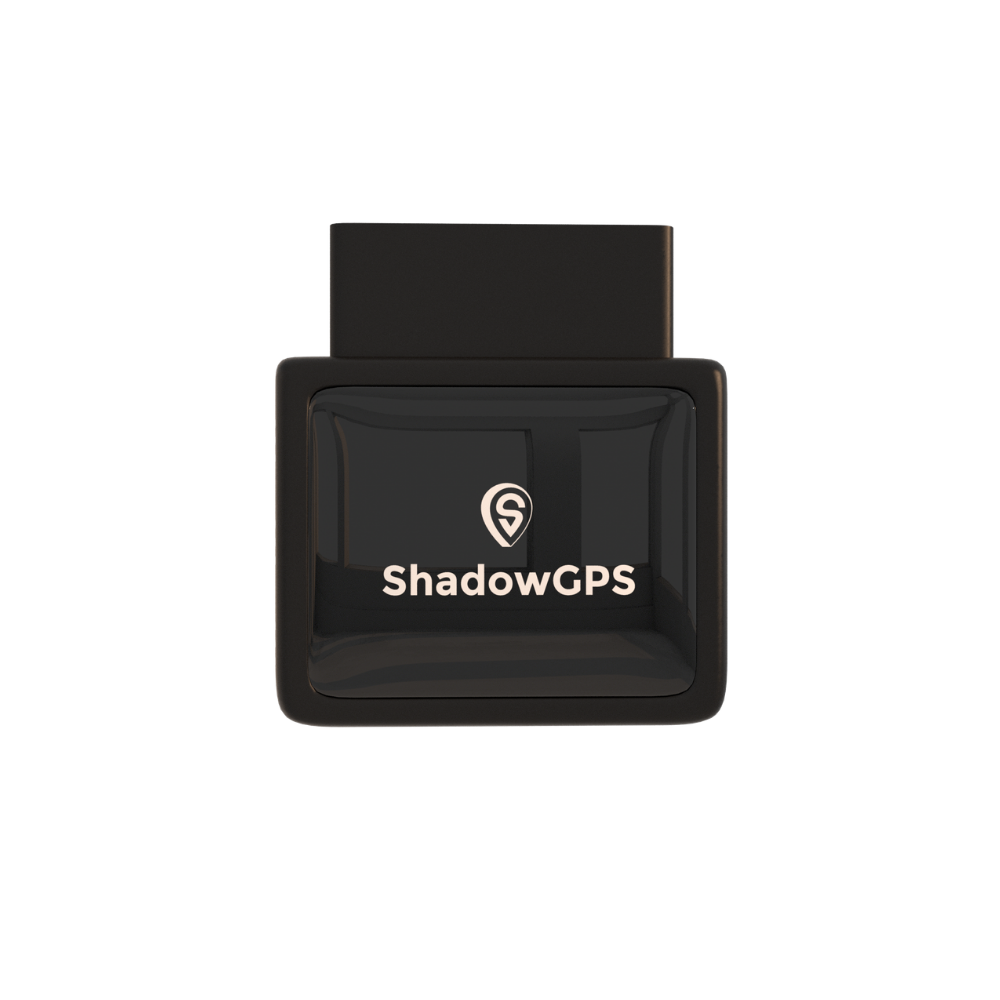
ShadowAuto
- Plugs into your OBD-II port in under 2 minutes
- Live map, trip timeline, and trip replay
- Geofence alerts and Car Alarm


Want a second layer? A thief who finds an OBD-II tracker can unplug it. ShadowTrack runs on its own battery, hides anywhere inside your car or truck, and keeps reporting. It is also the right pick for trailers, equipment, or older cars without an OBD-II port.
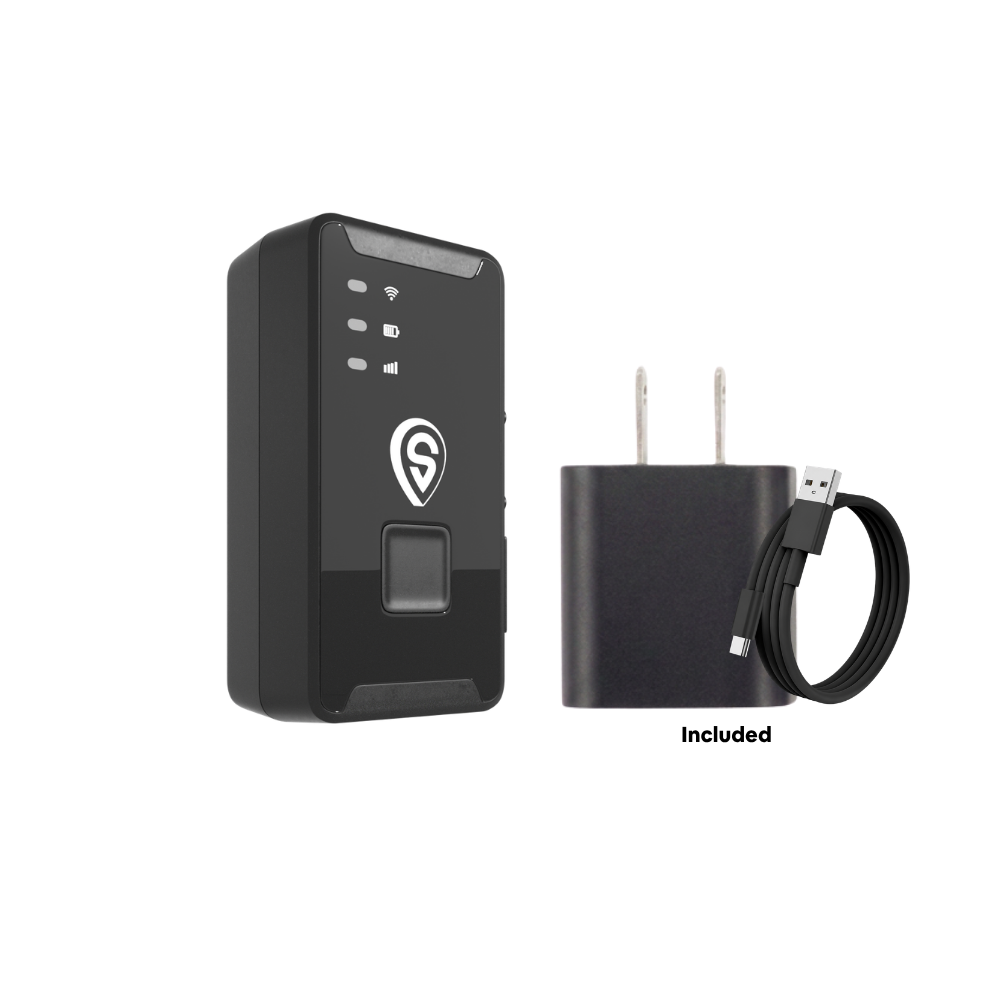
ShadowTrack
- Hides anywhere with a weatherproof magnetic case
- Up to ~15 days per charge
- Tamper alerts and live tracking
Best for: anyone who owns one car that matters, from a family SUV to a teen's first car to a Turo rental, plus owners running two to five work vehicles.
Is there a monthly fee? Yes, and we say it plainly: plans run $9 to $15 a month depending on how you pay. No contract, ever. Go month-to-month or prepay and save, and cancel any time. You don't need to buy or insert a SIM card either, since cellular service is included in the plan.
What about an Apple AirTag?
An Apple AirTag can help you find a car in a big parking lot, but it is a Bluetooth tag, not a GPS tracker. It only updates when a nearby Apple device passes by, so a car sitting inside a fenced impound lot or moving down a highway may not report for a while. Anti-stalking alerts can also notify a thief's iPhone that a tag is traveling with them. We break it down in why AirTags fall short for cars.
Fastest Ways to Find a Missing Car, Compared
Here is how every method stacks up when you are standing at an empty parking spot.
| Method | Time to an answer | Covers private tows? | Shows where it is now? | Biggest limit |
|---|---|---|---|---|
| Reading posted signs | 1-2 minutes | Yes, if signed | No | Only tells you who might have it |
| Walking the block | 5-15 minutes | No | Only if it is close | Useless for impound or theft |
| City towed-vehicle locator | Minutes to hours | Sometimes | Lot name only | Records can lag or contain typos |
| Police non-emergency line | 15-60 minutes | Usually | Lot name only | Hold times, after-hours delays |
| Calling your lender | Business hours | No (repos only) | Storage location | Only answers the repo question |
| Apple AirTag | Varies | Yes | Last seen, if an iPhone passed by | Bluetooth, not live GPS |
| ShadowAuto / ShadowTrack | Seconds | Yes | Yes, live on a map | Monthly fee, no contract |
Times are typical estimates and vary by city, time of day, and how quickly records are updated.
How to Avoid Getting Towed in the First Place
The best tow is the one that never happens. These habits take seconds and save hundreds.
- Read the whole sign pole, top to bottom. Street-cleaning and rush-hour rules often hide under the first sign.
- Look for temporary paper signs on poles and trees, especially near construction and event venues.
- Snap a photo when you park. It records your spot, the signs, and the time.
- Set a phone timer for meters and timed lots, a few minutes before they expire.
- Keep registration current and pay tickets. Unpaid tickets are a common reason for city tows.
- Know your building's rules. Apartment and HOA lots tow fast for missing permits and guest spots.
- Brief your teen driver on fire lanes, hydrants, and "customer only" lots. Our parking lot tips make a good starting point.
- Turo hosts: spell out parking rules in your listing and check where guests leave your car.
- Small fleets: agree on approved parking at each job site before crews arrive.
- Set a geofence around home and work so you know the moment your car moves.
Key takeaways
- Check in order: spot, signs, ground, nearby blocks, city locator, police, lender, then report stolen.
- Glass on the ground leans theft. No glass and a posted sign leans tow.
- Search by VIN if your plate comes up empty, and recheck after 30 to 60 minutes.
- Move fast. Storage fees grow daily and lien sales can start within weeks.
- A GPS tracker removes the guesswork, showing your car's exact location in seconds.
Frequently Asked Questions
How do I find out if my car was towed?
Check for posted tow-away signs and call the number listed, walk the nearby blocks in case your car was relocated, search your city's online towed-vehicle locator by license plate or VIN, and call the police non-emergency line. Police keep records of the tows they order and, in many states, the private tows companies must report.
Was my car towed or stolen? How can I tell?
A posted tow sign, a parking violation, and no broken glass point to a tow. Broken glass, a legal spot, and no record with the city, police, or your lender after a few hours point to theft. If your car has a GPS tracker, the live map tells you immediately: parked at a tow yard means towed, moving somewhere unexpected means stolen.
Can I find my towed car by license plate number?
Yes. Most big-city towed-vehicle locators, such as Chicago's Tow/Stolen Vehicle Search and Houston's FindMyTowedCar.com, search by plate. If the plate search comes up empty, try your VIN, since plate numbers are sometimes entered incorrectly.
Do towing companies have to tell you they towed your car?
Usually not directly, at least not right away. Instead, many states require the tow company or property owner to report the tow to local police quickly. In California, the property owner must notify police within one hour of authorizing a tow. That is why calling the police non-emergency line works. The storage facility typically mails a notice to the registered owner later.
How long do I have before a towed car is sold?
It depends on your state, but it can be a matter of weeks. In some areas the auction process can begin about 10 days after a tow. Call the lot as soon as you locate your car and ask for the lien sale date in writing.
Does car insurance pay for towing and impound fees?
Generally not when the tow was for a parking violation, unpaid tickets, or a repo. If your car was stolen and recovered, comprehensive coverage may help with related towing and storage costs. Check your policy or call your agent to confirm.
What happens if a Turo guest gets my car towed?
Locate the car first, then collect the tow receipt, the reason for the tow, and the time and place it happened. Document everything and follow Turo's current host policies for tickets and towing. A GPS tracker gives you an independent record of where your car was and when it moved.
My teen's car got towed. Who can pick it up?
Most lots release cars to the registered owner or someone who can show ownership papers, valid ID, and proof of insurance. If the car is registered in your name, plan on going yourself. Call the lot first and ask exactly what they require.
Can a GPS tracker tell me if my car is being towed?
Yes. A real-time GPS tracker shows your car moving on the map as it happens, and a geofence alert can notify you the moment it leaves a zone like your driveway or apartment lot. Trip replay then shows the route and exactly where your car ended up.
Is there a monthly fee for a ShadowGPS tracker?
Yes. Plans run $9 to $15 a month for one to three trackers, depending on whether you pay monthly or prepay. There is no contract, ever, and you can cancel any time.
Does a ShadowGPS tracker need a SIM card?
No. You don't need to buy or insert a SIM card. Cellular service is included in your plan, so you plug it in, open the app, and see your car.
Is it legal to put a GPS tracker on my own car?
Tracking a car you own is generally legal across the US. Tracking a car you don't own, or a person without their consent, is restricted or illegal in many states. If other adults regularly drive your car, letting them know it has a tracker is the right call.
The Bottom Line
An empty parking spot does not have to mean an hour of panic. Check the spot, the signs, the ground, and the nearby blocks, then search the city locator, call the police non-emergency line, and check with your lender. Most of the time, you will know how to tell if your car was towed within minutes and have a lot address before the storage meter runs another day.
Or skip the detective work entirely. With a tracker in your car, the answer is already on your phone.
Never wonder where your car is again
Plug it in, see it move, cancel any time. No contract, ever.
Prices and plan details as of October 2026; plans shown are for 1-3 trackers. Towing laws, fees, and timelines vary by city and state, and this article is general information, not legal advice. Some links are affiliate links, which means we may earn a commission at no extra cost to you.

