

Does a small business really need GPS fleet tracking? If you run 2 to 10 work vehicles, yes. It answers the questions that eat your day: where is each truck, when did the crew get to the job, and is anything running after hours that shouldn't be.
A few years ago, fleet tracking meant long contracts, wired-in hardware and dashboards built for 500-truck operations. Today you can plug a tracker into each truck, open one app and see your whole crew live, with no contract.
Below are 10 practical reasons small fleets use GPS tracking in 2026, what each one looks like on a normal workday, and an honest section on what a simple tracker won't do for you.
Why small businesses need GPS fleet tracking:
- See every truck live without calling drivers
- Cut fuel wasted on idling and side trips
- Stop after-hours and personal use
- Protect trucks, trailers and equipment from theft
- Prove arrival times and settle disputes
- Dispatch faster and share live ETAs with customers
- Catch engine problems before they become breakdowns
- Look out for your crew's safety on the road
- Keep cleaner mileage and trip records
- Grow from 2 trucks to 10 without big-fleet contracts
What GPS Fleet Tracking Means for a Small Business
GPS fleet tracking puts a tracker in each vehicle. The tracker reads its location from satellites and sends it over a cellular network to an app on your phone or computer, so you see every vehicle on one map.
For a small business, that's really all you need to start. A plug-in tracker goes into the OBD-II port under the dashboard of each truck or van, and a battery tracker covers anything without a port, like a trailer, mower or generator.
The timing matters too. In Verizon Connect's 2025 Fleet Technology Trends Report, 77% of businesses named rising fleet costs as their top challenge. When every truck costs more to run, knowing exactly how each one is used stops being a nice-to-have.
10 Reasons Small Businesses Need GPS Fleet Tracking in 2026
1. See Every Truck Live Without Calling Your Drivers
The most common reason owners start tracking is simple: they're tired of calling around. "Where are you?" calls interrupt drivers, slow down jobs and still leave you guessing.
With a live map, you open the app and see every vehicle at once. ShadowGPS trackers update every 5 seconds while moving, so the dot on your screen matches where the truck actually is, not where it was a few minutes ago.
What this looks like on a Tuesday
A customer calls with an urgent leak. Instead of texting three techs, you glance at the map, see who's closest and send them. That one decision can save an hour of drive time.
2. Cut Fuel Wasted on Idling and Side Trips
Fuel is one of the costs you can actually influence. Two habits drain it quietly: trucks idling at job sites and small detours that add miles nobody tracks.
The EPA's idling data puts a light-duty gas truck at about 0.0118 gallons per minute at idle, or roughly 0.7 gallons per hour. That sounds small until you multiply it.
| Fleet size | Idle time per truck, per day | Fuel burned per month (22 workdays) | Cost at $3.50/gal |
|---|---|---|---|
| 2 trucks | 30 minutes | About 16 gallons | About $55 |
| 3 trucks | 1 hour | About 47 gallons | About $164 |
| 5 trucks | 1 hour | About 78 gallons | About $273 |
| 10 trucks | 1 hour | About 156 gallons | About $545 |
Example math using the EPA light-duty truck idle rate. Your fuel price and idle time will differ.
Trip history shows you where trucks sat and for how long, and where routes wandered. You don't need to micromanage. Most crews change habits once everyone knows the data exists.
3. Stop After-Hours and Personal Use
A company truck at a weekend lake trip burns your fuel, adds wear and puts your insurance on the hook. Most owners only find out when the odometer doesn't add up.
Set a geofence around your yard or shop and turn on trip start alerts for evenings and weekends. If a truck leaves when it shouldn't, your phone tells you right away. Our guide on detecting unauthorized vehicle use walks through the setup.
Be upfront with your team about this. Clear rules work better than surprises, and our post on telling your crew about GPS tracking without losing their trust has a simple script.
4. Protect Trucks, Trailers and Equipment From Theft
Vehicle theft dropped sharply in 2025, but it's far from gone. The NICB counted 659,880 vehicle thefts nationwide last year, roughly one every 48 seconds. Work trucks, trailers and the tools inside them are attractive targets because they're easy to resell.
For a small business, one stolen truck can mean lost jobs for weeks. A tracker gives you a live location to hand police, plus an unplug alert if someone pulls the tracker.
ShadowAuto covers each truck. It plugs into the OBD-II port in under 2 minutes, runs on the truck's power and can read engine codes, which matters again in reason #7.
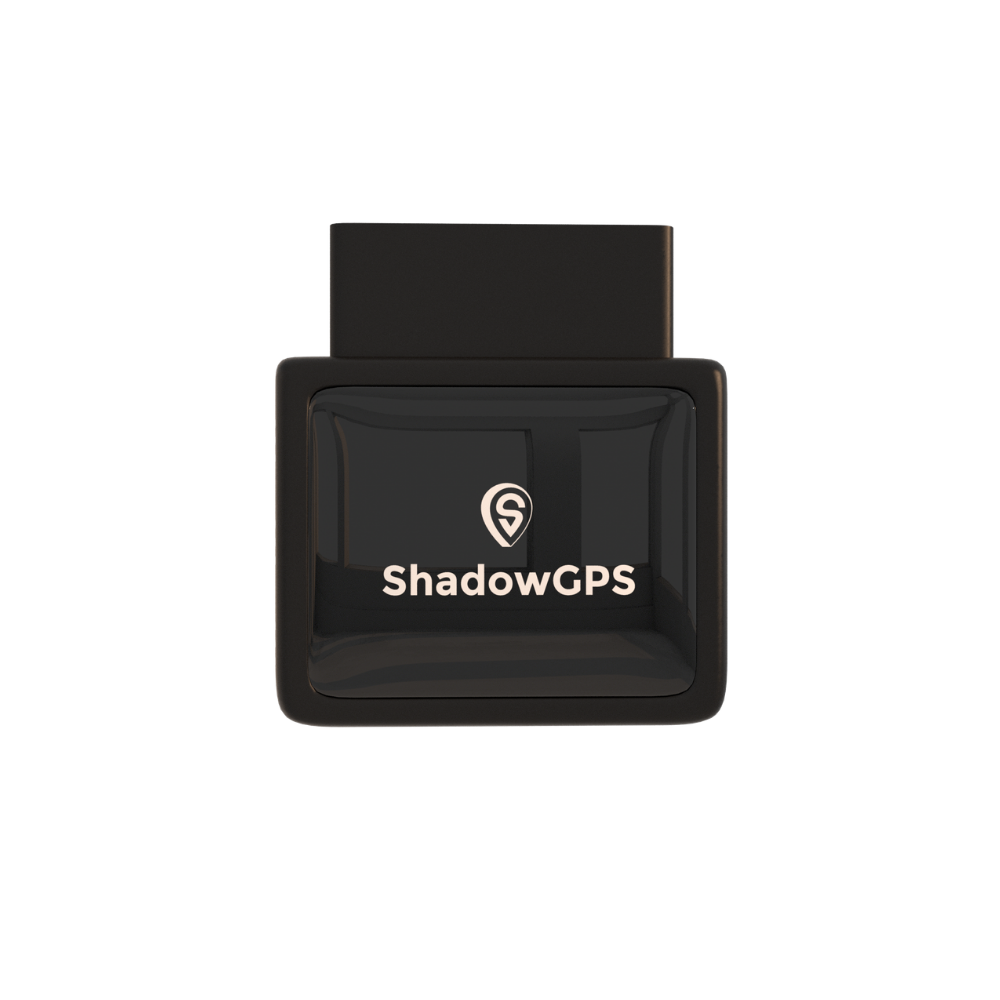
ShadowAuto
- Plugs in under 2 minutes, no tools or wiring
- Live map, trip timeline and trip replay
- Geofence, Car Alarm and unplug alerts


ShadowTrack covers everything without an OBD-II port. It runs up to about 15 days per charge depending on movement and hides on a trailer, mower or generator, or as a backup inside a truck.
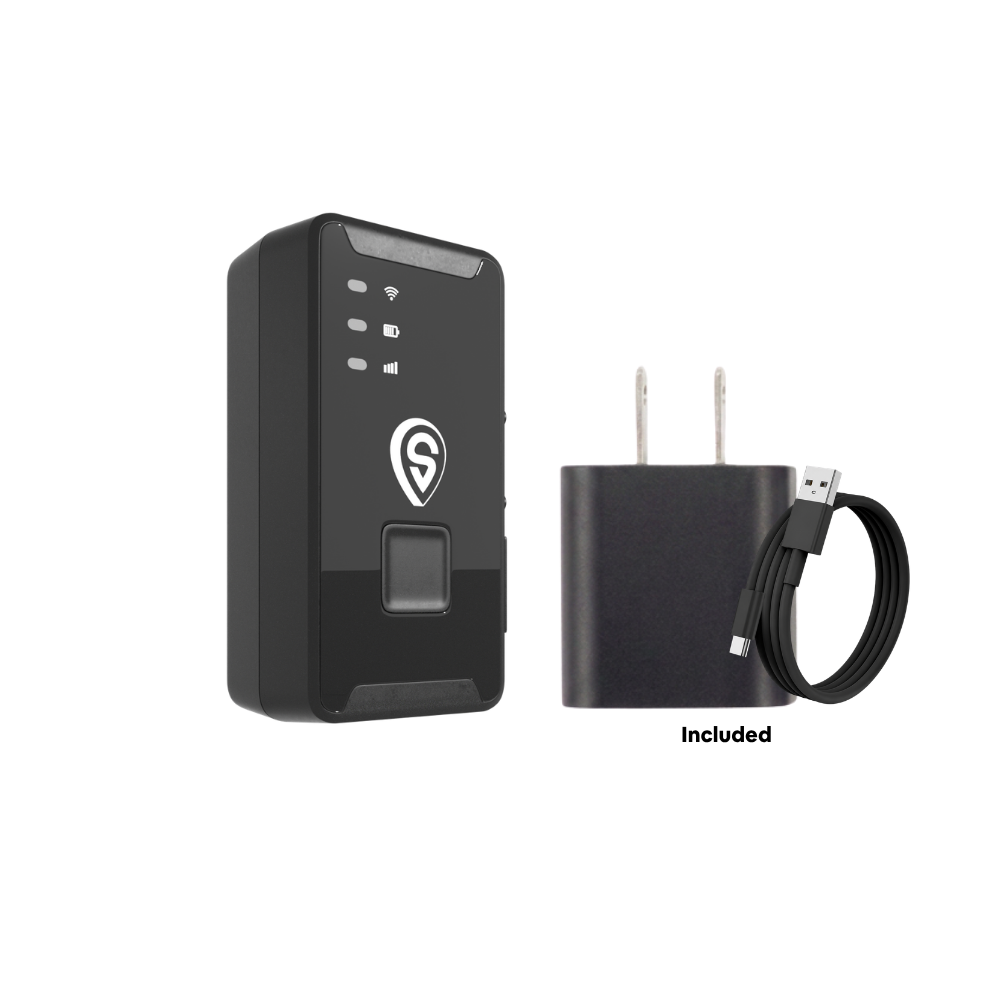
ShadowTrack
- Up to about 15 days per charge
- Pairs with a weatherproof magnetic case
- Shows up in the same app as your trucks
Best for: ShadowAuto in every truck and van, ShadowTrack on trailers and equipment. Not sure which fits? Compare them in battery-powered vs. OBD GPS trackers for your fleet.
5. Prove Arrival Times and Settle Disputes
"Your guy never showed up." "He was only here 20 minutes." Every service business hears these. Without records, it's your word against the customer's.
A trip timeline shows when each truck arrived, how long it stayed and when it left. Trip replay lets you walk through the whole day on the map. That's often enough to settle a billing dispute in one email.
6. Dispatch Faster and Share Live ETAs
Customers don't love four-hour service windows. With a live map, you can give a real arrival estimate, and with location sharing you can send the customer a live link so they watch the truck approach.
That small touch cuts "when will they get here?" calls and makes a three-truck business feel as organized as a national brand.
7. Catch Engine Problems Before They Become Breakdowns
A truck that dies mid-route costs you the tow, the repair and the jobs you couldn't reach. Plug-in OBD-II trackers like ShadowAuto can read engine codes, so a check engine light shows up on your phone, not just on the dashboard of a truck you're not in.
Pair that with mileage from trip history and you can plan oil changes and service around actual use. Learn more in how to read engine diagnostics remotely.
8. Look Out for Your Crew on the Road
Your drivers are your business. Tracking helps you respond if something goes wrong and spot patterns worth a friendly conversation.
- Accident alerts: ShadowGPS can send collision SOS alerts so you know fast if a truck may have been in a crash.
- Trip patterns: trip history shows routes and stop times, which helps with fair coaching instead of guesswork.
- Location sharing: if a driver breaks down, you can send their exact location to a tow service.
9. Keep Cleaner Mileage and Trip Records
Mileage logs, customer billing and insurance questions all go faster with trip history you don't have to rebuild from memory. One customer put it plainly: their insurance asks for this kind of information every year.
Some insurers also look favorably on tracked vehicles. Discounts vary a lot by carrier and state, so ask your agent directly rather than counting on a number you read online.
10. Grow From 2 Trucks to 10 Without Big-Fleet Contracts
Enterprise fleet platforms are built for hundreds of trucks, with features and terms to match. A growing small business needs something that starts small and adds a tracker when you add a truck.
ShadowGPS plans drop as your fleet grows. For 1 to 3 trackers, it's $15/mo month-to-month, or $13 quarterly, $12 yearly or $9 with a 2-year prepay. At 4 to 10 trackers, it's $13 month-to-month, down to $11, $10 and $8. No contract. Month-to-month, or prepay and save. See full pricing or read what GPS tracking really costs for a small fleet.
Do your drivers need an ELD?
A GPS tracker is not an electronic logging device (ELD). ELDs are required for certain commercial drivers who must keep hours-of-service records. Many local service fleets fall under the FMCSA short-haul exception, which generally covers drivers who stay within a 150 air-mile radius of their work location, start and end there, and are released within 14 hours. Those drivers can typically use time records instead of an ELD. If your drivers need ELDs, you'll need an FMCSA-registered device in addition to, or instead of, a simple tracker. Check the FMCSA website for the rules that apply to your fleet.
What a Simple GPS Tracker Won't Do
Honest expectations save you money. A plug-in tracker and app give you location, alerts, trip history and diagnostics. They usually don't include:
- ELD and hours-of-service logging for regulated long-haul drivers
- Turn-by-turn route optimization for multi-stop delivery routes
- Dashcam video of the road or the driver
- IFTA fuel tax reports for interstate carriers
If those are must-haves, an enterprise platform may fit better. If you mainly want to know where your trucks are, what they did today and when something's wrong, a simple tracker does the job without the overhead.
Small Fleet Tracking Options Compared
| Option | Setup | Best for | Trade-off |
|---|---|---|---|
| Phone location apps | Download an app | Seeing where a person is | Tracks the phone, not the truck. Stops if the phone dies or stays home |
| Bluetooth tags (AirTag, Tile) | Drop in the truck | Finding keys or bags | No live GPS. Updates only near compatible phones |
| Enterprise fleet platforms | Quote, often professional setup | Large or regulated fleets needing ELDs and dashcams | More features and cost than most 2 to 10 truck businesses use |
| ShadowAuto + ShadowTrack | Plug in or hide, under 2 minutes each | Small businesses with 2 to 10+ trucks, trailers and equipment | No ELD, dashcam or route optimization |
Which Small Businesses Benefit Most?
Trades and home services
HVAC, plumbing, electrical and pest control crews use the live map for dispatch and trip history for proof of service. See our pest control page and GPS tracker for work vans.
Landscaping and construction crews
Trucks plus trailers, mowers and equipment spread across job sites. ShadowAuto covers trucks and ShadowTrack covers the gear. More on our landscaping page.
Turo hosts and small rental fleets
Geofences, trip start alerts and unplug alerts protect cars that leave with strangers. Visit our Turo host page.
How to Get Your Small Fleet Tracked in One Afternoon
- List what moves. Count trucks and vans (OBD-II trackers) and trailers or equipment (battery trackers).
- Tell your crew. Explain what you'll track, why, and when. Put it in writing.
- Plug in each tracker. Most OBD-II ports sit under the dashboard on the driver's side.
- Name each vehicle in the app. Use "Van 2 (Mike)" style names so the map makes sense at a glance.
- Set a yard geofence and after-hours alerts. This catches the most common problem first.
- Review trip history once a week. Look for long idle stops, side trips and patterns worth discussing.
Track company vehicles the right way
Tracking vehicles your business owns is generally legal in the U.S., but some states have specific notice or consent rules, especially for employees. Tell drivers in writing, avoid tracking personal vehicles, and check your state's rules. Our guide on GPS tracking laws for employee vehicles covers the details.
Frequently Asked Questions
Is there a monthly fee for small business GPS fleet tracking?
Yes, real-time trackers need a monthly fee because they use cellular data. ShadowGPS runs $8 to $15 per tracker per month depending on fleet size and how you pay. For example, 3 trucks month-to-month is $45/mo and 5 trucks is $65/mo. No contract. Month-to-month, or prepay and save.
Do fleet GPS trackers need a SIM card?
Not with ShadowAuto or ShadowTrack. Cellular connectivity is built in, so you don't buy SIM cards or data plans for each truck. Read more in does a GPS tracker need a SIM card.
Is it hard to set up trackers on work trucks?
No. A plug-in tracker goes into the OBD-II port in under 2 minutes with no tools or wiring. A small fleet can be fully tracked the same afternoon.
Is GPS fleet tracking worth it for just 2 or 3 vehicles?
Often, yes. With fewer vehicles, each truck carries more of your revenue, so one stolen truck, one breakdown or one disputed invoice hurts more. Tracking also stops after-hours use and wasted idle time, which adds up even on a small fleet.
How fast does fleet tracking update?
It depends on the provider and plan. ShadowGPS trackers update every 5 seconds while moving on every plan, so you can follow a truck turn by turn rather than seeing a jump every few minutes.
Can I track trailers and equipment too?
Yes. Battery trackers like ShadowTrack work on anything without an OBD-II port, including trailers, mowers, generators and skid steers, and they show up on the same map as your trucks.
Is a GPS tracker the same as an ELD?
No. An ELD records hours of service for regulated commercial drivers and must be FMCSA-registered. Many local service fleets qualify for the short-haul exception and don't need one, but check FMCSA rules for your drivers.
Is it legal to track my employees' work vehicles?
Tracking vehicles your business owns is generally legal in the U.S., but notice and consent rules vary by state. Tell drivers in writing and don't track their personal vehicles.
Will GPS tracking lower my commercial insurance?
It might. Some insurers offer discounts for tracked vehicles, but it varies widely by carrier and state. Ask your agent, and share your trip history if they request usage information.
See your whole crew on one map.
Plug it in, and see every truck update every five seconds. Cancel any time.
The Bottom Line
GPS fleet tracking for a small business isn't about watching your crew. It's about running the day with facts instead of phone calls: where every truck is, what happened on each job and when something needs your attention.
Start with the vehicles you can't afford to lose, set a yard geofence and after-hours alerts, and review trip history once a week. For more help picking a setup, read how to choose fleet GPS tracking for 3 to 10 vehicles or visit our business page. Plug it in, see it move, cancel any time.
Pricing current as of October 2026, in USD. Theft data: NICB 2025 Vehicle Theft Report. Idle fuel rate: EPA. Fleet cost survey: Verizon Connect 2025 Fleet Technology Trends Report. ELD information is general and not legal advice. Some links on this page are affiliate links, which means we may earn a commission at no extra cost to you.

