

You just want to know where your car is. That's the whole ask. The real question is whether a $20 tag that pings once in a while gets you there, or whether you need a tracker that updates every few seconds and never leaves you guessing.
Budget and premium GPS trackers aren't the same tool at two price points. They're built to answer different questions. A budget tracker can tell you where something was an hour ago. A premium tracker tells you where your car is right now, while it's moving, and keeps a record of everywhere it's been. Which one you need depends entirely on what you're actually trying to protect.
A budget GPS tracker (Bluetooth tags like AirTag, or a bare-bones OBD device) gives you occasional or crowd-sourced location pings, fine for finding a parked car in a lot. A premium GPS tracker (cellular connection, 5 to 10 second refresh, real diagnostics and alerts) gives you a live, moving picture of your car anywhere it goes. If you're tracking a teen driver, a Turo rental, or a truck that has to show up on time, the premium tier is the one doing the actual job.
What Actually Separates a Budget Tracker From a Premium One
"Budget" and "premium" get thrown around loosely in this category, so it helps to know exactly what you're paying for (or skipping) at each price point. Five things do almost all the work.
Refresh rate: the number that decides how "real-time" is real
This is the single biggest gap between the two tiers. A budget device might update once every 60 seconds, once every few minutes, or only when another user's phone happens to pass by. A premium tracker updates every 5 to 10 seconds while your car is moving. On a highway, a 60-second gap can put your car a mile from where the map shows it. A 5-second gap keeps the dot honest.
Cellular vs. Bluetooth: how the tracker actually finds your car
Budget Bluetooth tags (AirTag, Tile) don't have their own GPS or cellular connection. They rely on other people's phones nearby to relay a location, which works great in a crowded parking garage and falls apart the moment your car leaves a populated area or gets driven somewhere the crowd-sourced network is thin. A premium tracker uses its own cellular (4G LTE or LTE-M) connection, so it reports its own location directly, no crowd required.
Hardware and battery life
Budget hardware is usually smaller, coin-cell powered, and built to be swapped or replaced. Premium hardware is either powered by your car (so it never needs charging) or built with a rechargeable battery rated for weeks, not days, and housed to survive heat, cold, and weather under a bumper or in a wheel well.
Install type: plug in, hardwire, or hide it
Most premium car trackers plug into your car's OBD-II port under the dash, no tools, under two minutes. Budget devices are usually just dropped in a glovebox or stuck to a surface with a magnet, simpler, but also easier to lose track of or leave behind.
App, alerts, and diagnostics
Budget apps typically show a single dot on a map. Premium apps add trip history, trip replay, geofence alerts, speed alerts, and on OBD trackers, engine diagnostics. That's the difference between "where is it" and "what has it been doing all day."
When a Budget GPS Tracker Is Actually the Right Call
Budget trackers aren't a downgrade for every situation, they're the right tool for a narrower job. If any of these describe you, a budget option is a reasonable place to start.
- You mostly need to find a parked car in a lot or garage, not track it while it's driving.
- You're tracking a low-stakes item, not a moving vehicle someone else is driving.
- You want to try the idea of tracking before committing to a monthly plan.
The catch is coverage. A Bluetooth tag only reports in when someone else's phone happens to walk by it, so a car parked in a driveway overnight, or driven somewhere rural, can go hours without an update. If the whole point is knowing where your car is while it's moving, a budget tag can't actually do that.
When You Actually Need a Premium GPS Tracker
Once a vehicle is doing real work, sitting somewhere unattended, or carrying real stakes, the gap between budget and premium stops being about price and starts being about whether the tracker actually does the job.
Parent of a teen driver
You need to know where the car is while it's moving, not where it was an hour ago. A 5-second refresh and speed alerts turn "I hope they're okay" into "I can check right now."
Turo or rental host
Your car leaves your sight for days at a time. Trip history and geofence alerts protect the asset even when you can't.
Small fleet, 2 to 5 vehicles
One missed pickup or unauthorized detour costs more than a monthly fee. Live tracking plus diagnostics catches problems before they become expensive.
How much does a GPS tracker actually cost: budget vs. premium
Budget trackers usually run $15 to $30 up front, with monthly fees (where they even have one) landing around $5 to $10, or no fee at all if it's a Bluetooth tag riding on someone else's network for free. Premium cellular trackers run $60 to $90 up front, with plans typically $12 to $15 a month, no contract required.
Here's the part that actually matters: a budget tracker's low sticker price doesn't buy you real-time coverage. If the job needs live tracking, a $7-a-month device that updates once an hour is the more expensive mistake, not the cheaper option.
ShadowAuto: Premium, Plug-In, Built for Your Car or Truck
ShadowAuto plugs straight into your car's OBD-II port under the dash. No wiring, no tools, under two minutes. Once it's in, it updates your car's location every 5 seconds while it's moving, which is faster than most competitors in this category. It also pulls engine diagnostics straight from your vehicle, so you get trip history, trip replay, and a Car Alarm alert if the car moves when it shouldn't.
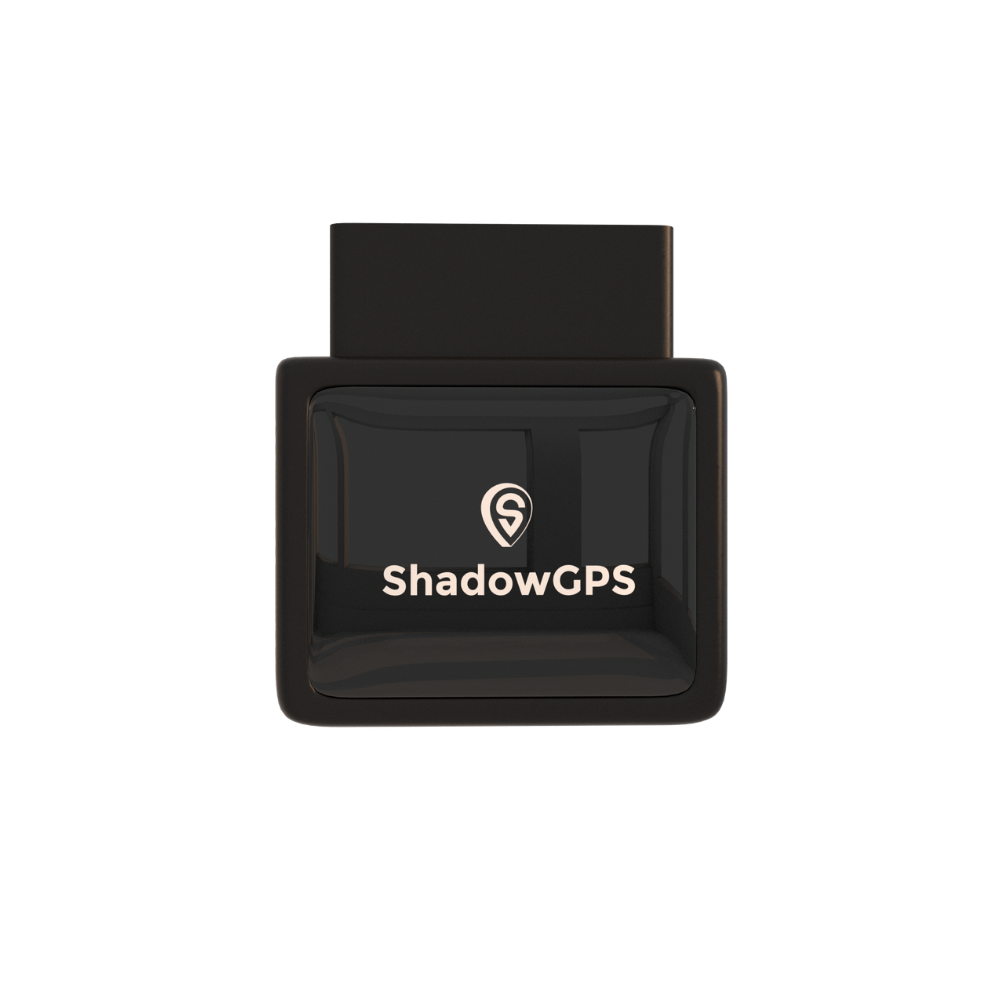
ShadowAuto
- Updates every 5 seconds while moving
- Trip timeline & trip replay
- Car Alarm & vehicle diagnostics
ShadowTrack: Premium, Portable, No OBD Port Needed
Not everything you want to track has an OBD-II port. ShadowTrack is a battery-powered tracker in a weatherproof, magnetic-mount case, built for a Turo rental you don't want wired into, a trailer, or a second vehicle sitting in storage. It runs on the same 5-second refresh as ShadowAuto and lasts roughly 15 days on a charge.
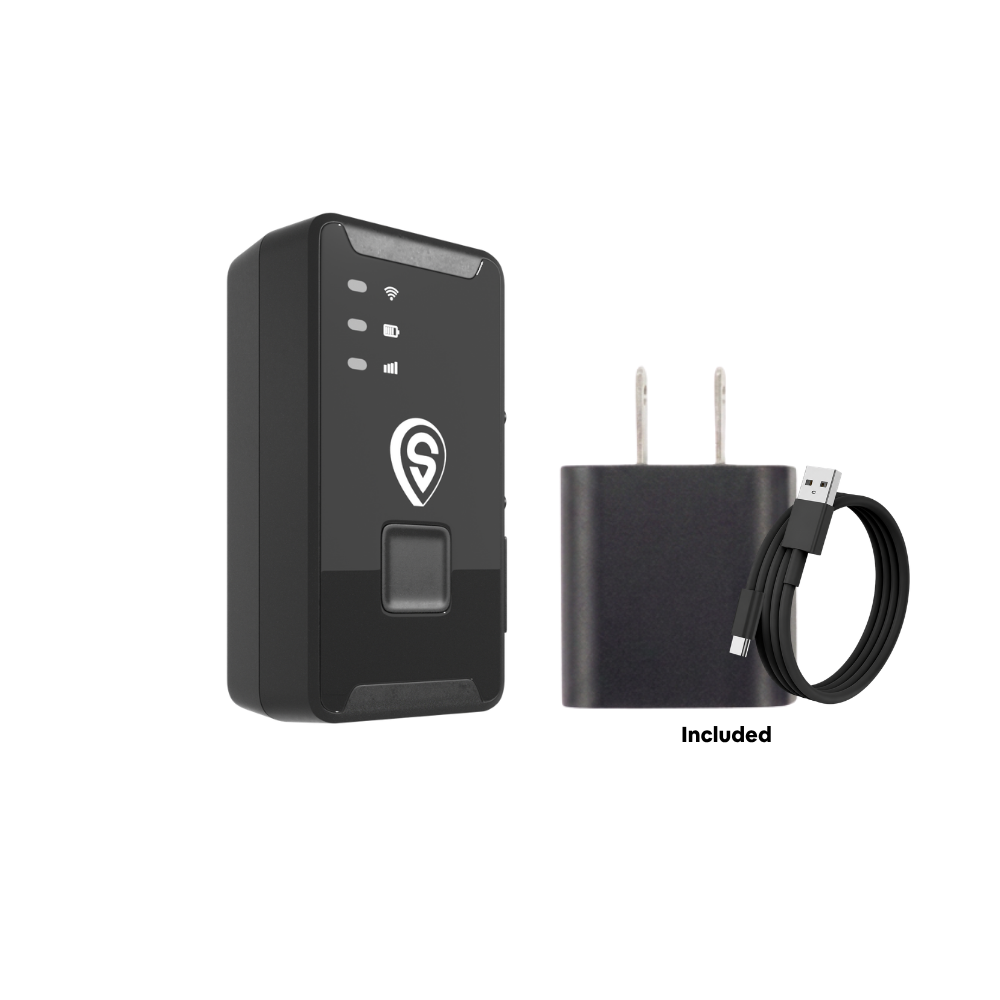
ShadowTrack
- Updates every 5 seconds while moving
- Weatherproof, magnetic mount
- Up to ~15 days per charge
How Budget and Premium GPS Trackers Compare, Side by Side
| Tracker | Type | Refresh rate | Monthly fee | Best for |
|---|---|---|---|---|
| Apple AirTag | Bluetooth, crowd-sourced | Only when another device passes by | None | Finding a parked car, not moving tracking |
| Bouncie | Cellular, OBD | Every 15 seconds while moving | ~$9.65/mo | Basic budget location tracking |
| BrickHouse Spark Nano 7 (premium tier) | Cellular, battery/hardwired | Every 5 seconds (top plan only) | Varies by tier | Fleet accounts wanting tiered plans |
| ShadowAuto | Cellular, OBD-II plug-in | Every 5 seconds while moving | $12–$15/mo, no contract | Your car or truck, permanent install |
| ShadowTrack | Cellular, battery/magnetic | Every 5 seconds while moving | $12–$15/mo, no contract | Turo rentals, trailers, no OBD port |
Ranked Picks: Budget to Premium
1. Apple AirTag
The AirTag isn't technically a GPS tracker, it's a Bluetooth tag riding on Apple's Find My network. That's worth knowing before you buy one expecting live tracking. It's genuinely useful for finding a car in a big parking lot, and it costs almost nothing to run.
Pros
- Cheapest option, no monthly fee
- Tiny, easy to drop in a glovebox
Cons
- No real-time tracking while a car is moving
- Depends on other people's phones being nearby

Best for: people who just need to find a parked car, not track a moving one.
2. Bouncie
Bouncie is a real cellular GPS tracker that plugs into the OBD-II port, so it's a step up from a Bluetooth tag. Its 15-second refresh is respectable for the price, and the app is easy to use.

Pros
- Real cellular tracking, not Bluetooth
- Simple plug-in OBD install
Cons
- 15-second refresh, three times slower than premium
- No engine diagnostics on the base plan
Best for: a budget step up from Bluetooth tags, for casual location tracking.
3. ShadowAuto
If your car is the thing you actually care about protecting, ShadowAuto is the plug-in tracker built for that job specifically. It plugs into the OBD-II port your car already has, updates every 5 seconds while moving, and adds Car Alarm alerts and engine diagnostics on top of live tracking. See the full product box above for pricing and plan details.


Pros
- 5-second refresh while moving
- Vehicle-powered, plug in under 2 minutes
- No contract, cancel any time
Cons
- Needs an OBD-II port, so not for trailers or non-vehicle assets
Best for: a car or truck you drive every day, teen driver monitoring, or theft protection.
4. ShadowTrack
Same 5-second refresh as ShadowAuto, in a battery-powered, weatherproof, magnetic case. This is the pick when there's no OBD-II port to plug into, a Turo rental you don't want to wire into, a trailer, or a second vehicle you're not driving daily.

Pros
- No OBD port required, magnet-mount anywhere
- ~15 days battery life, weatherproof
Cons
- Needs periodic recharging, unlike a vehicle-powered tracker
Best for: Turo hosts, trailers, and equipment without an OBD-II port.
5. BrickHouse Spark Nano 7
BrickHouse offers three service tiers, basic, plus, and premium, and the 5-second refresh only kicks in on the top tier. That structure can work if you want to start cheap and upgrade later, but it also means the "premium" experience isn't the default.
Pros
- Tiered plans let you choose your refresh speed
- OBD and hardwired versions available
Cons
- True 5-second refresh only on the priciest plan
- Geared more toward commercial fleet accounts

Best for: buyers who want to choose their tier and don't mind paying more for the fastest refresh.
How to Choose Between Budget and Premium for Your Situation
Skip the spec sheet for a second and ask two questions instead.
First: does your car move without you? If a teen driver, a renter, or anyone else is behind the wheel when you're not there, you need live tracking, which means premium. A budget tag can't tell you where a moving car is right now.
Second: what does a missed update actually cost you? If the worst case is walking an extra row in a parking lot, a budget tag is fine. If the worst case is a stolen vehicle, a missed pickup, or a renter who took your car somewhere they shouldn't have, the monthly fee on a premium tracker is cheap insurance against that outcome.
For more on where OBD-II and battery-powered trackers fit for different vehicles, see our OBD-II vs. battery-powered GPS tracker guide. If you're weighing this specifically for a Turo fleet, we cover that in the best GPS tracker for Turo. And if your starting point really is the lowest possible price, our cheapest GPS tracker roundup and full best GPS trackers for cars guide go deeper on options across every price point.
Frequently Asked Questions
Is there a monthly fee for a premium GPS tracker?
Yes, premium cellular trackers need a data plan to stay connected, typically $12 to $15 a month with no contract, so you can cancel any time. Budget Bluetooth tags don't have a monthly fee, but they also don't offer real-time tracking.
What's actually the difference between a budget and a premium GPS tracker?
Mainly refresh rate and connection type. Budget devices update slowly or rely on crowd-sourced Bluetooth networks. Premium trackers use their own cellular connection and update every 5 to 10 seconds while moving, plus add diagnostics, trip history, and alerts.
Does a GPS tracker need a SIM card?
Premium cellular trackers have a built-in SIM already paired to the plan, so you never touch or manage one yourself. Bluetooth tags don't use a SIM at all since they're not cellular devices.
Is installing a premium GPS tracker difficult?
No. An OBD-II plug-in tracker like ShadowAuto takes under two minutes, plug it into the port under your dash and it's live. A magnetic tracker like ShadowTrack is even simpler, just mount it and go.
Is a cheap GPS tracker worth it for a car?
It depends what you're protecting. For finding a parked car, yes. For anything where you need to know a car's location while it's moving, a budget tag's slow or crowd-sourced updates usually aren't fast enough to be useful.
Can I switch from a budget tracker to a premium one later?
Yes. There's no reason not to start with a budget tag and upgrade once you know you need live tracking. Since premium trackers like ShadowAuto and ShadowTrack have no contract, there's no penalty for switching whenever the situation changes.
Know where it is. Every 5 seconds.
Plug it in, see it move, cancel any time. No contract, ever.
This guide reflects pricing, specifications, and plan details published as of September 2026. Subscription pricing and features are subject to change by each manufacturer. Competitor product images marked with placeholder URLs need real hosted images before publishing.

