

Is a GPS tracker worth it? For most people who own one car or truck that really matters to them, yes. But not for the reason you'd guess. The value isn't the dot on the map. It's the small moments that add up: the late-night "where are you?" text you don't have to send your teen, the Turo trip you check in two taps, the airport parking garage you stop circling.
You won't learn that from a spec sheet. You learn it by living with one. So instead of another list of features, this guide walks you through what the first 30 days with a GPS tracker for your car actually look like, week by week. Then we cover what it costs, what it won't do, and who should honestly skip it.
Yes, a GPS tracker is worth it if you need to know where one specific car or truck is, on demand: a teen driver, a Turo rental, a work truck, or a car parked where you can't see it. Expect a one-time device cost plus a monthly fee (no contract with ShadowGPS). It's usually not worth it for a car that rarely leaves a locked garage.
What this guide covers:
How we put this guide together
This guide is built from how the ShadowGPS app behaves day to day and from the questions our support team hears most from new owners in their first month: "Is there a monthly fee?", "Does it need a SIM card?", and "Why didn't my location update in the parking garage?" Wherever we use an outside number, we link the source so you can check it.
Is a GPS Tracker Worth It? The 30-Second Answer
A GPS tracker is worth it when the cost of not knowing where your car is outweighs a small monthly fee. That usually comes down to four situations. If even one sounds like you, a tracker will earn its spot in your glovebox.
- Someone else drives your car. A new teen driver, an aging parent, an employee, or a Turo guest.
- Your car parks where you can't see it. Street parking, an apartment lot, an airport garage, a jobsite overnight.
- You drive a model thieves like. The Hyundai Elantra and Honda Accord topped the 2025 most-stolen list.
- You run 2 to 5 vehicles and spend too much time calling drivers to ask where they are.
Theft is the backdrop, even if it isn't the daily reason people keep a tracker. The good news: according to the National Insurance Crime Bureau, 659,880 vehicles were reported stolen in the US in 2025, down 23% from 2024 and the lowest level in decades. The honest part: that still works out to roughly one car every 48 seconds, and California alone accounted for 136,988 of them.
Your First 30 Days With a GPS Tracker, Week by Week
Here's what month one typically looks like with a plug-in tracker like ShadowAuto. If you'd rather hide a tracker on a trailer, or your car doesn't have an OBD-II port, the same timeline applies to ShadowTrack, our battery tracker.
Day 1: Plug It In, Then Watch It Move
Every car and light truck sold in the US since the 1996 model year has an OBD-II port, usually under the dashboard near the steering column. If you've never looked for yours, our guide to finding your OBD2 port in 30 seconds will get you there.
Plug the tracker in, download the app, pair it, and take a short drive. The whole thing takes under two minutes. No tools, no wiring, no appointment.
Then comes the moment most owners remember. You open the app while someone else is driving and watch your car move. ShadowGPS updates every 5 seconds while your car is moving, so the dot follows the road instead of jumping from block to block. Many trackers on standard plans refresh every 15 seconds to several minutes, and you feel that difference the first time you use it.
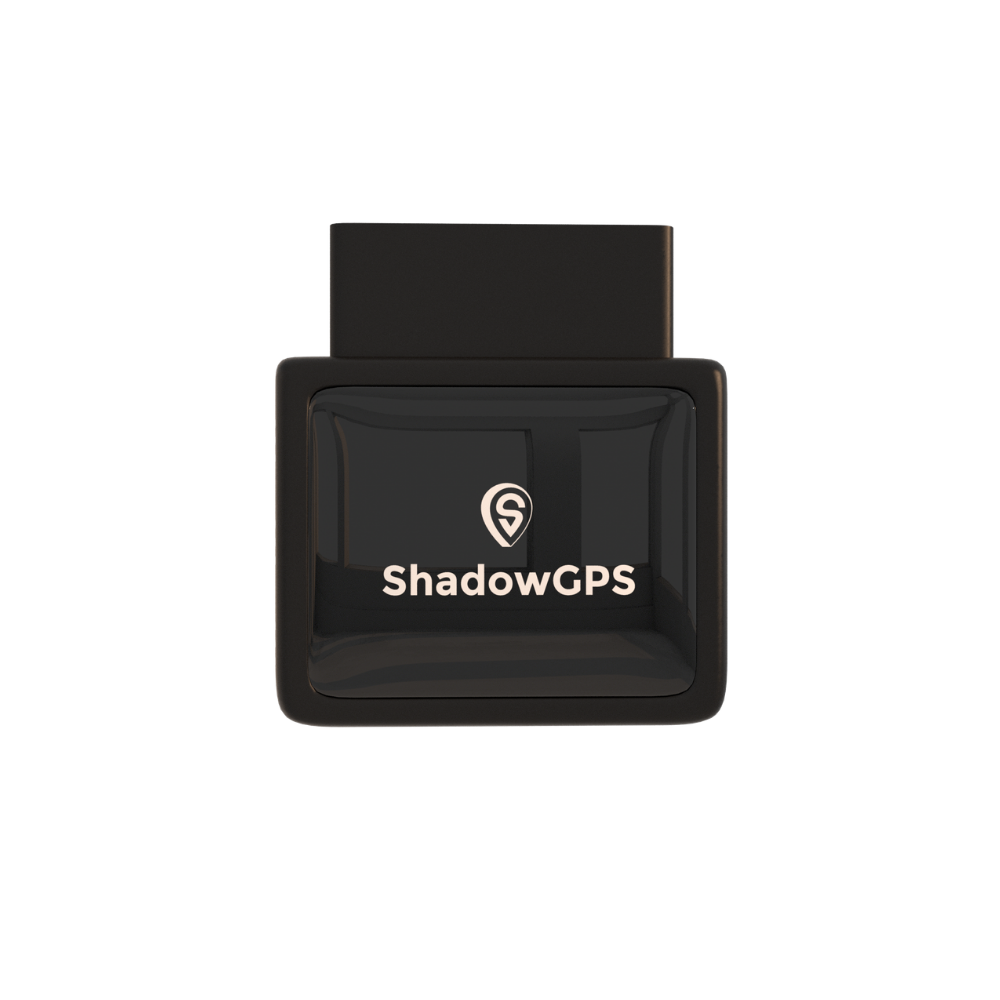
ShadowAuto
- Plugs in under 2 minutes, powered by your car
- Live tracking, trip timeline and trip replay
- Car Alarm, tamper alerts and engine codes


Best for: the family car, a teen's first car, a Turo rental, or a work truck you want tracked full time without ever charging anything.
Week 1: Turn On the Alerts That Matter (Then Trim the Rest)
The most common first-week mistake is switching on every notification. By Thursday your phone buzzes every time someone backs out of the driveway, and you start ignoring all of it. That defeats the point.
A better approach is to start with a small set of alerts, live with them for a few days, then adjust.
The three alerts to set up first
- One or two geofences. Draw a zone around home, school, or the lot where your car sleeps. You get a ping when your car enters or leaves. Here's how to set geofence alerts that catch overnight movement.
- Car Alarm. This one tells you if your parked car starts moving when it shouldn't. It's the alert that most directly answers "is my car still where I left it?"
- Tamper alert. You hear about it if the tracker is unplugged, so a quiet app never means a missing tracker.
Speed alerts can wait unless you're tracking a new driver. If you do set one, pick a threshold that flags real problems (say, 15 mph over the limit on the highway), not every merge.
Week 2: Your Trip History Starts Telling a Story
By the second week you have enough data for the trip timeline to get interesting. You can see every trip as a list, then tap into any one and replay it on the map, stop by stop. Owners consistently tell us trip replay is the feature they didn't expect to use and now use the most.
What you do with it depends on who drives your car:
- Parents of new drivers: replay turns "how was the drive?" into a real conversation about the highway merge or the late return. That matters. Per the CDC, drivers aged 16 to 19 are nearly three times as likely as drivers 20 and older to be in a fatal crash per mile driven. Our teen driver guide covers how to set this up without wrecking trust.
- Turo and rental hosts: you can confirm where a guest took your car and when it came back, without messaging them mid-trip. See our GPS tracking for Turo hosts page.
- Small fleet owners: "where's the truck?" stops being a phone call. You open the map, see it, and dispatch the closest driver.
Example: one family car, three drivers
Picture a household where a parent commutes in the car on weekdays, a 17-year-old borrows it on weekends, and a grandparent uses it for appointments. One geofence around home, Car Alarm on overnight, and a speed alert that only matters on weekends. In practice, that setup sends a handful of alerts a week, each one meaningful, and nobody has to text "where are you?" again.
Week 3: The Monthly Fee Question
Week three is when most people do the math, because the first bill is getting close. So here's the full picture with nothing hidden. A real-time GPS tracker talks to the app over a cellular connection, and that connection is what the monthly fee pays for. It's also why trackers with no monthly fee at all are usually Bluetooth tags, not true GPS trackers.
| How you pay | Upfront | Ongoing | First-year total |
|---|---|---|---|
| Device + monthly plan | $69.90 | $12-$15/mo, no contract | About $214-$250 |
| 4+ trackers (small fleet) | $69.90 each | $10-$13/mo per tracker | Varies by count |
| Prepaid 1-year bundle | $213.90 | No monthly bill during the term | $213.90 |
ShadowGPS pricing as of October 2026. Prepaid 3-month and 3-year bundles are also available. See current pricing.
The better question isn't "what does it cost?" It's "what would I actually use this for?" If you used the alerts and the trip history in weeks one and two, you already know the answer.
And if you didn't, you're covered. ShadowGPS has a 30-day money-back guarantee, which lines up neatly with the month this guide describes.
Is there a monthly fee?
Yes. Like nearly every real-time GPS tracker, ShadowGPS needs a cellular plan to send your car's location to your phone. No contract: month-to-month, or prepay and save. Cancel any time.
Week 4: It Fades Into the Background
The real sign a GPS tracker is worth it shows up in week four: you stop thinking about it. You check the app once or twice a week, the alerts are quiet because nothing is wrong, and that quiet is exactly what you're paying for.
This is also when owners discover the quieter features:
- Share Location: send someone a live link to your car, handy when a family member is picking it up or you're waiting on roadside help.
- Web + app: check your car from a laptop at work, not just your phone.
- Engine codes (ShadowAuto): when a check engine light comes on, you can see the code before you call the shop. More in our post on reading check engine codes from your phone.
Here's the honest test. If by day 25 you haven't opened the app, haven't gotten a single alert you cared about, and can't picture a week you'd want it, a tracker probably isn't for you right now. That's a fine outcome too.
What a GPS Tracker Won't Do
Most "is it worth it" articles skip this part. Knowing the limits up front is what keeps month one from disappointing you.
- It won't stop a thief on its own. It tells you where your car is, fast. If your car is stolen, call the police and share the live location. Don't try to recover it yourself. Our stolen car recovery steps walk through what to do.
- It needs a signal. Deep underground garages and rural dead zones can delay updates. The tracker catches up once it reconnects. In open sky, GPS itself is very precise; the official GPS.gov accuracy page explains why buildings and garages affect it.
- It isn't for tracking people. ShadowGPS is built for property you own or are responsible for. It's not a tool for following a person without their knowledge.
- It doesn't replace other layers. A steering lock, locked doors, and not leaving a key fob in the cupholder still matter. A tracker is the layer that helps after something goes wrong.
- A plug-in tracker can be found. Someone who knows where to look can unplug an OBD-II tracker. The tamper alert tells you when it happens, and a battery tracker hidden elsewhere covers that gap.
Who a GPS Tracker Is Worth It For
After a month, the owners who keep their tracker tend to fall into a few clear groups.
Parents of teen drivers
Know they got home without texting. Geofences around school and home, a weekend speed alert, and trip replay for honest conversations.
Turo and rental hosts
See where your car is during a trip and when it's back. Car Alarm covers the hours between guests.
Owner-operators with 2-5 vehicles
One map for every truck. Dispatch the closest driver and stop the "where are you?" calls.
Trailers, equipment, and cars without an OBD-II port
Some things you want to track don't have a port at all: a utility trailer, a boat on its trailer, a classic car, or a piece of equipment parked on a jobsite. For those, a battery-powered tracker makes more sense than a plug-in. ShadowTrack hides in a weatherproof magnetic case, lasts up to about 15 days per charge depending on how much it moves, and uses the same app and alerts as ShadowAuto.
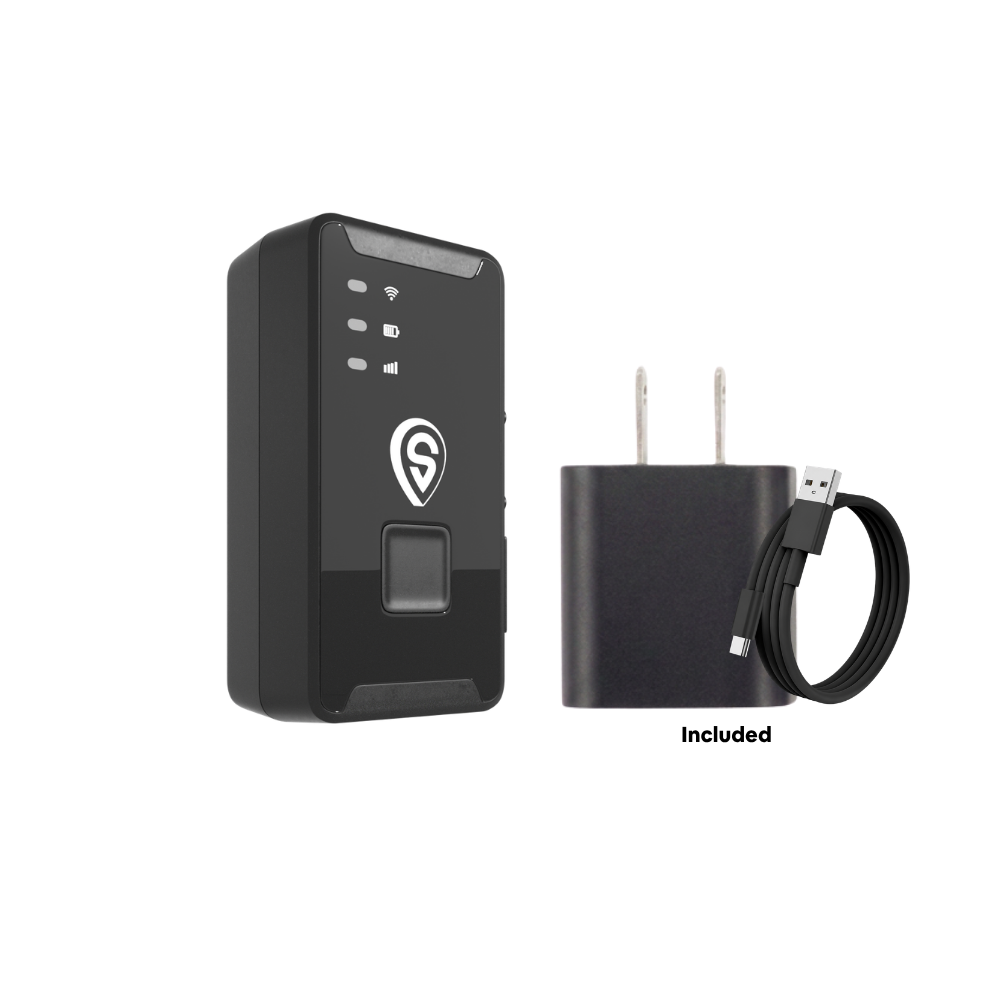
ShadowTrack
- Rechargeable, up to about 15 days per charge
- Magnet-mount or hide it in under 2 minutes
- Same live tracking, geofences and trip replay
Best for: trailers, equipment, classic cars, and any car where you want a tracker that isn't sitting in the obvious spot.
Who Should Probably Skip It
A GPS tracker isn't for everyone, and we'd rather you know that before you buy.
- Your car lives in a locked garage and rarely moves. There's not much to know.
- You only want to find your car in a big parking lot. A parking pin on your phone, or a Bluetooth tag, may be all you need. We compare the two in GPS tracker vs. Apple AirTag for cars.
- You want to track a person without them knowing. That's not legal in many situations, and it's not what ShadowGPS is for.
- You want zero ongoing cost, forever. No real-time cellular tracker works that way. A prepaid bundle is the closest option.
The 5-Question "Worth It" Test
Still on the fence? Answer these five questions. Three or more "yes" answers means a GPS tracker will likely pay for itself in peace of mind.
- Does anyone other than you drive your car or truck at least once a week?
- Does it park somewhere you can't see it, overnight or for long stretches?
- Would a stolen or missing car cause real problems for your job, your family, or your business?
- Have you texted or called someone just to ask where your car is in the last month?
- Do you manage more than one vehicle, trailer, or piece of equipment?
GPS Tracker vs. AirTag vs. Built-In Car Apps
Before you decide, it helps to see how a dedicated GPS tracker for your car compares with the options you might already have.
| Option | How it finds your car | Update speed | Monthly fee | Contract | Theft alerts |
|---|---|---|---|---|---|
| Apple AirTag | Bluetooth, via nearby Apple devices | Only when an iPhone passes nearby | None | None | No, and it can warn the thief's iPhone |
| Automaker app | Your car's built-in modem | Varies by automaker | Often paid after a trial | Varies | Varies |
| Bouncie | OBD-II, cellular | 15 sec | $9.00-$9.65 | None | Yes |
| Tracki | Battery, cellular | 10 sec to 1 hr, by plan | $9.95-$30 | 2-year for best rate | Yes |
| LandAirSea | Battery or OBD-II, cellular | 3 min to 3 sec, by plan | $9.95-$49.95 | 2-year for best rate | Yes |
| ShadowAuto / ShadowTrack | OBD-II or battery, cellular | 5 sec on every plan | $12-$15 | None, ever | Yes, plus Car Alarm |
Competitor pricing and refresh rates from public plan listings as of August 2026. Check each brand's site for current terms.
For a deeper look at specific models, see our roundup of the best GPS trackers for cars in 2026.
Is it legal to put a GPS tracker on your car?
Yes. Tracking a car you own is legal across the US. The rules change when the car belongs to someone else, when it's jointly owned with a partner, or when you're tracking an employee's use of a vehicle, and many states have their own GPS or anti-stalking laws. If you're unsure, check your state's law or ask a lawyer. We're not lawyers, and this isn't legal advice. For business use, start with our guide to employee vehicle tracking laws.
How to Get the Most From Month One
If you do try a tracker, this checklist gets you to a real answer by day 30.
- Plug it in on day one. Don't let it sit in the box. Take a short drive and watch the first trip appear.
- Set one to three geofences. Home, school, work, or wherever your car spends the night.
- Turn on Car Alarm and the tamper alert. These two cover the "is my car still there?" worry.
- Tell the people who drive it. Teens and employees handle tracking far better when they hear about it from you first.
- Replay one trip a week. It's the fastest way to see whether the data is useful to you.
- Check in with yourself around day 25. Keep it, switch to a prepaid plan, or cancel. All three are fine.
FAQs: Is a GPS Tracker Worth It?
Is a GPS tracker worth it for just one car?
Yes, if that one car matters: someone else drives it, it parks out of sight, or losing it would disrupt your week. Most ShadowGPS owners track a single car or truck. If it rarely leaves a locked garage, you can probably skip it.
Is there a monthly fee for a GPS tracker?
Yes. Real-time GPS trackers need a cellular connection to send location to your phone, and the monthly fee covers it. ShadowGPS plans run $12-$15/mo, or $10-$13/mo per tracker with 4 or more. No contract: month-to-month, or prepay and save.
Does a GPS tracker need a SIM card?
Not one you have to buy. ShadowAuto and ShadowTrack come with cellular service built in, so there's no separate SIM card to set up. Read more in does your GPS tracker need a SIM card?
Is it hard to put a GPS tracker in my car?
No. ShadowAuto plugs into your car's OBD-II port under the dashboard, and ShadowTrack mounts with a magnet or hides in a bag or compartment. Either takes under two minutes, with no tools or wiring.
What happens if I cancel?
Your plan stops and so do location updates. There's no contract and no cancellation fee. You keep the tracker and can restart a plan later if you need it again, which is handy for seasonal needs like a summer boat trailer.
How fast and accurate is a GPS tracker?
Speed depends on the tracker's refresh rate. ShadowGPS refreshes every few seconds while your car is moving, on every plan. Accuracy is best in open sky and can drop in parking garages, tunnels, or dense downtown streets.
Will a GPS tracker drain my car battery?
A plug-in tracker draws a small amount of power from your car. For a car driven regularly, that's not a concern. If a car sits unused for several weeks at a time, keep an eye on battery health, or use a battery tracker like ShadowTrack for that car instead.
Can a GPS tracker lower my car insurance?
Sometimes. Some insurers offer an anti-theft device discount, and rules vary by company and state. Call your insurer and ask whether a GPS tracker qualifies before you count on it.
Is an AirTag good enough to track a car?
For finding a parked car, sometimes. For real-time tracking, no. An AirTag only updates when an Apple device passes nearby, has no live map or geofences, and its anti-stalking feature can alert a thief's iPhone that it's there.
Plug it in. See it move. Cancel any time.
Give it 30 days. If it doesn't earn its place, the 30-day money-back guarantee has you covered. No contract, ever.
Pricing as of October 2026: devices $69.90; plans $12-$15/mo, or $10-$13/mo per tracker for 4+; prepaid bundles available. No contract. Some links in this post are affiliate links, and ShadowGPS may earn a commission at no extra cost to you. Legal information is general and not legal advice.

