

GPS tracking prevents vehicle misuse by making every trip visible and alerting you the moment your car or truck moves when or where it shouldn't. Most unauthorized trips happen because nobody would notice. A tracker changes that, quietly and automatically.
Misuse isn't only a fleet problem, either. It's a work truck heading out on a weekend side job, a family car taking a 2 a.m. drive across town, a valet's "quick spin," or a rental guest going far past where they said they'd go. This guide covers how GPS tracking catches each one, what it costs you when it goes unchecked, the alerts to set up, a sample vehicle-use policy, and what the law expects before you start.
GPS tracking prevents vehicle misuse in three ways: a live map shows where your car or truck is right now, trip history shows every drive after the fact, and alerts tell you when it moves outside approved hours or areas. Combine those with a clear written policy and unauthorized trips become easy to spot and hard to repeat.
What Counts as Vehicle Misuse?
Vehicle misuse is any use of your car, truck, or trailer that you didn't approve. It ranges from small things, like a long personal detour on the clock, to serious ones, like a company truck doing paid side jobs on weekends.
The type of misuse depends on who has the keys. Here's what it usually looks like, and the signal a GPS tracker uses to catch it.
| Who has the keys | Common misuse | How a tracker catches it |
|---|---|---|
| Employees | Personal errands, after-hours use, side jobs, rideshare driving in a company vehicle | After-hours movement alerts, trip history, stops at unapproved addresses |
| Teen drivers | Unapproved trips, driving well past curfew, going far outside the usual area | Time-window alerts, wide-area geofence, trip replay |
| Valets and repair shops | Joyrides or errands while your car is in their care | Motion alert while parked, mileage and route in trip history |
| Rental and Turo guests | Trips far outside what was agreed, unexpected long-distance drives | Wide trip-area geofence, live map, trip timeline |
| Anyone borrowing gear | Trailers or equipment taken to a side job or another site | Motion alert and yard geofence on a battery tracker |
What Unauthorized Trips Really Cost You
Misuse rarely shows up as one big bill. It leaks out in fuel, wear, time, and risk, which is exactly why it goes unnoticed for months.
- Fuel and wear. Every unapproved mile burns fuel and adds wear to tires, brakes, and the engine, and it pulls maintenance forward.
- Liability. If someone crashes during an unauthorized trip, the owner can still be pulled into the claim. Clear trip records help show what was and wasn't approved.
- Lost time. A truck on a side job isn't available for the job you're paying for, and a customer waits.
- Trust. Your logo on a truck parked somewhere it shouldn't be says something to customers.
Do the math on your own vehicles
You don't need industry averages to see the cost. Use your own numbers: extra miles per week × cost per mile × 52.
For example, if misuse adds 40 miles a week to one truck and you use 70 cents a mile (the IRS standard business mileage rate for 2025) as a rough cost to run it, that's about $1,456 a year for a single vehicle, before any liability risk. Multiply by three or four trucks and it adds up fast. Plug in your own mileage and cost per mile; the point is that small, unnoticed trips are where the money goes.
How GPS Tracking Stops Unauthorized Use
A GPS tracker doesn't stop anyone from turning the key. What it does is remove the "nobody will notice" part, which is what most misuse depends on. Five features do the work.
1. A live map that's actually live
You can see where your car or truck is right now, without calling anyone. The speed of that map matters: ShadowGPS trackers update every 5 seconds while moving, so you're watching a trip as it happens, not a dot that jumps once a minute.
2. Trip timeline and trip replay
Every drive is logged with start and end times, route, and stops. Trip replay lets you play back a drive to see exactly where it went. Patterns stand out quickly, like the same unapproved address every Friday afternoon or a 30-mile detour on a 5-mile job.
3. After-hours and geofence alerts
This is the feature that catches misuse as it happens. Draw a zone around the yard, your driveway, or a service area, and get an alert when your car or truck leaves it outside approved hours. Our guide to geofencing GPS tracking covers how to size zones so the alerts stay useful.
4. Motion alerts and Car Alarm
When your car should be sitting still, at a repair shop, with a valet, or in the lot overnight, a motion alert or Car Alarm tells you the moment it moves. That's the fastest way to catch a joyride.
5. Tamper alerts
Someone who knows about the tracker may try to unplug it. A tamper alert tells you when that happens, and a tracker that suddenly goes quiet during a trip is its own red flag.
All five come standard on ShadowAuto, our plug-in OBD-II tracker. It plugs into the port under your dashboard in under 2 minutes, no tools and no wiring, and runs on your car's power so it never needs charging.
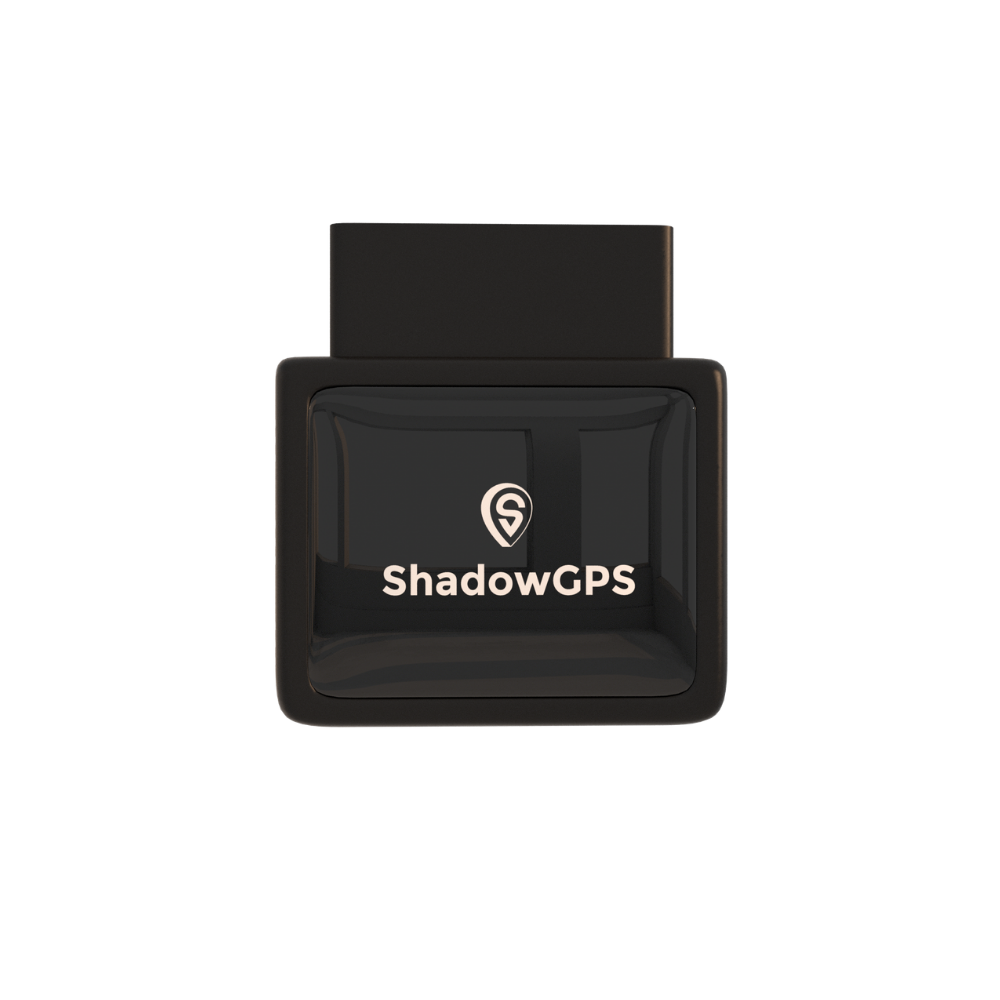
ShadowAuto
- Trip timeline and trip replay for every drive
- Custom alerts, geofences, and Car Alarm
- Powered by your car, never needs charging


Misuse Playbooks by Owner Type
The same tracker solves different problems depending on who you are. Pick the playbook that fits.
Small business, 2 to 5+ vehicles
After-hours alerts on the yard, trip history for billing questions, and a written policy everyone signs.
Family car and teen drivers
Agreed-on curfew alerts and a wide "usual area" zone, set up together, not in secret.
Valets, shops, and Turo guests
Motion alerts while your car is in someone else's care, plus a trip-area zone for rentals.
Small business: protect the trucks you pay for
For a business with a handful of trucks or vans, the classic forms of unauthorized use of company vehicles are weekend side jobs, long personal stops on the clock, and trucks going home with drivers when they shouldn't. Set an exit alert on your yard for nights and weekends, review trip history weekly, and match trips to job records. Disputes about hours or arrival times get settled with facts instead of arguments. For more, see how GPS tracking protects against time theft and our guide to choosing fleet GPS tracking for 3 to 10 vehicles.
Misuse isn't limited to trucks. Trailers, generators, and equipment walk off to side jobs too. ShadowTrack, our rechargeable battery tracker, rides in a weatherproof magnetic case, so you can mount it on gear with no OBD-II port and get an alert when it leaves the yard. It runs up to about 15 days per charge depending on how often it reports.
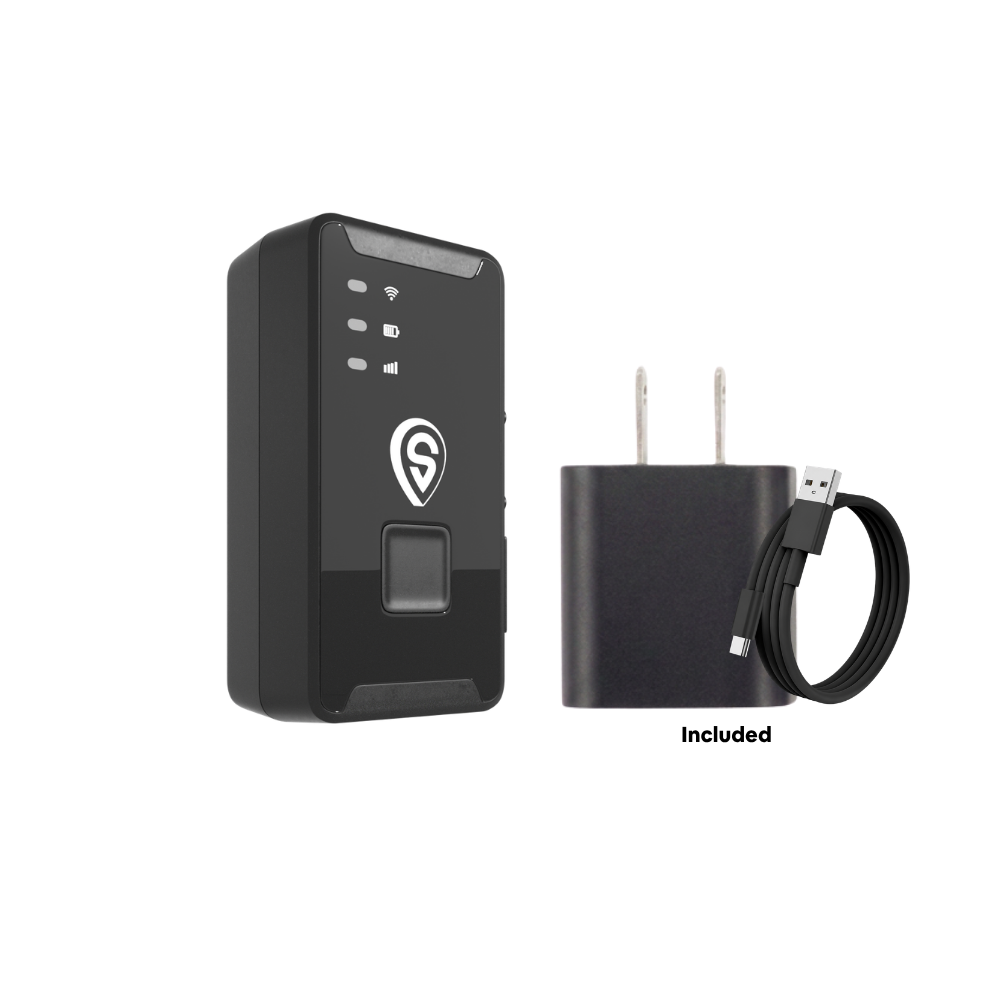
ShadowTrack
- Motion and geofence alerts on trailers and gear
- Up to about 15 days per charge
- Weatherproof magnetic case, ready in under 2 minutes
Family car and teen drivers: limits you agree on
New drivers take risks, and night driving is the riskiest. Per the CDC, the nighttime fatal crash rate for drivers ages 16 to 19 is about three times that of adult drivers per mile driven.
A tracker helps you set limits you can actually keep. Agree on a curfew and the places that are fine to go, then set a time-window alert and a wide zone around your usual area. Talk about it openly; teens accept rules they helped set. More ideas in our guide to GPS tracking for teen drivers and elderly parents.
Valets, repair shops, and borrowed cars
Before you hand over the keys, arm Car Alarm or a motion alert. A car that's supposed to sit in a service bay shouldn't log 20 miles. If it does, trip replay shows exactly where it went, which makes for a very short conversation with the shop.
Turo and rental hosts
For hosts, the risk is a guest taking your car far beyond the trip they booked. A wide trip-area geofence flags long-distance drives, and the live map lets you check in without calling the guest. Always disclose the tracker in your listing and follow the platform's current rules on tracking devices. See our GPS tracking for Turo hosts page.
Set Up These Alerts First
Too many alerts and you'll start ignoring them. Start with the ones that match how misuse actually happens.
| Misuse you want to catch | Alert to set | When it should fire |
|---|---|---|
| After-hours or weekend use of a work truck | Exit alert on the yard or depot | Nights and weekends |
| Long personal detours on the clock | Exit alert on your service area | Business hours |
| Joyrides at a valet or repair shop | Motion alert or Car Alarm | While your car is dropped off |
| Teen out past curfew | Exit alert on a wide "usual area" zone | After curfew |
| Rental trip going far off-plan | Exit alert on a wide trip-area zone | During the trip |
| Trailer or equipment leaving the yard | Motion alert plus yard geofence | Any time it should be parked |
| Someone disconnecting the tracker | Tamper alert | Always on |
A 5-Step Plan to Stop Unauthorized Trips
- Write down the rules. Spell out what's allowed: work only, or limited personal use, commuting, who may drive, and what happens after hours.
- Tell every driver, in writing. Explain that vehicles are tracked, why, and what data you look at. Get a signature or acknowledgment.
- Plug in the trackers. An OBD-II tracker for each car or truck, a battery tracker for trailers and gear.
- Turn on the alerts above. Start with after-hours exits and tamper alerts, then add others as needed.
- Review weekly and act consistently. Ten minutes with trip history each week is enough. Address issues early, the same way for everyone.
Sample vehicle-use policy language
Adapt these lines for your own business, and have them reviewed for your state:
- Company vehicles are for business use only, unless a manager approves personal use in advance.
- Only approved employees may drive company vehicles. No passengers who aren't on company business.
- Vehicles return to [yard address] by [time] unless assigned for take-home use.
- Company vehicles have GPS trackers that record location, trips, and speed while it's in use. This data is used for safety, dispatch, billing, and policy enforcement.
- Tampering with or disconnecting a tracker is a policy violation.
- Policy violations are handled under [section], from a warning up to loss of vehicle privileges.
Is it legal to track vehicles to prevent misuse?
Generally, yes, when you own the car or truck (or have the right to track it) and have a legitimate reason. A few states set specific rules for employers: Connecticut, Delaware, and New York require written notice for certain kinds of electronic monitoring, and states such as California restrict putting tracking devices on vehicles without the owner's consent. The simplest safe practice everywhere is written notice to every driver and tracking only vehicles you own. Never put a tracker on a car you don't own or use it to follow a person without their knowledge. See our guide to GPS tracking laws for employee vehicles. This isn't legal advice.
Which Kind of Tracker Catches Misuse?
Not every "tracker" can catch an unauthorized trip. The difference is whether it reports your car's location on its own, in real time.
| Option | Tracks your car itself? | Live alerts for after-hours trips? | Best for |
|---|---|---|---|
| Phone location apps | No, only the phone | Only if the driver's phone is along and sharing | Family check-ins |
| Apple AirTag and Bluetooth tags | Only when near other phones | No | Keys, bags, luggage |
| ShadowTrack (battery) | Yes | Yes, plus motion alerts | Trailers, equipment, non-OBD assets |
| ShadowAuto (OBD-II) | Yes | Yes, plus Car Alarm and tamper alerts | Work trucks, family cars, teen drivers, Turo |
Weighing plug-in against battery for a mixed set of vehicles? Our breakdown of battery-powered vs. OBD GPS trackers walks through it, and what GPS tracking costs for a small fleet covers the numbers.
Frequently Asked Questions
How does GPS tracking prevent vehicle misuse?
It makes every trip visible and alerts you when your car or truck moves outside the hours or areas you've set. Most misuse depends on nobody noticing. Once drivers know trips are logged and after-hours movement sends an alert, unapproved trips usually stop.
Is there a monthly fee for a GPS tracker?
Yes. Live tracking and alerts need a cellular data plan, so most trackers have a monthly fee. ShadowGPS plans are $15/mo month-to-month, or prepay and save down to $9/mo. No contract, ever, and you can cancel any time.
Does a GPS tracker need a SIM card?
Not one you buy yourself. ShadowAuto and ShadowTrack have cellular connectivity built in, and data is covered by your plan, so there's no SIM card to buy, insert, or top up.
Is it legal to track company vehicles?
Generally yes, when the business owns the car or truck and tracks it for legitimate reasons. Connecticut, Delaware, and New York have written-notice rules for certain kinds of electronic monitoring, and other states have their own tracking laws. Giving every driver written notice is the safest practice everywhere. This isn't legal advice.
Will GPS tracking stop personal use of company vehicles?
In most cases it sharply reduces it, especially when paired with a clear written policy and consistent follow-up. The tracker supplies the facts; the policy and how you act on it are what change behavior.
Can a driver unplug the tracker?
An OBD-II tracker can be unplugged, which is why tamper alerts matter: you'll know if it's disconnected. For trailers and equipment, a battery tracker in a magnetic case can be mounted out of the way and doesn't depend on a car's power.
Does a GPS tracker show who is driving?
No. It shows where your car or truck went, when, and how fast, not who was behind the wheel. Pair trip data with your key or vehicle sign-out records to match trips to drivers.
Can I use a GPS tracker on my teen's car?
Yes, if you own the car or it's in your name, and it works best when your teen knows about it. Agree on the rules first, like curfew and approved places, so alerts are about safety, not surprises.
Plug it in. See it move. Cancel any time.
Know where your car or truck goes, every trip, and hear about it the moment it moves when it shouldn't. No contract, ever.
Prices and plans are current as of October 2026 and may change; see our pricing page for the latest. Mileage example uses the IRS 2025 standard business rate for illustration only. Teen driver data from the CDC. Some links in this article are affiliate links, which means we may earn a commission at no extra cost to you. Information about tracking laws is general and not legal advice.

