

Is real-time vehicle tracking really a business standard now? For most businesses that run vans, trucks or cars, yes. Live location used to mean expensive wired hardware and long contracts. Today it means a tracker you plug in yourself and an app that shows every vehicle moving on a map within seconds.
But "real-time" is also one of the most stretched words in this industry. Some trackers that call themselves real-time update every 10 seconds, others every 30 seconds, and some every few minutes.
This guide explains what real-time vehicle visibility actually means, why it shifted from a luxury to a baseline, when you truly need it, and how to get it running across your fleet in an afternoon.
Real-time vehicle tracking shows where each vehicle is as it moves, with location updates every few seconds sent over a cellular network to your phone or computer. It became a business standard for four reasons: trackers now plug in with no tools or wiring, modern LTE networks replaced the old 3G systems, plans no longer require long contracts, and customers now expect live ETAs. If your updates arrive more than a minute apart, you have periodic tracking, not real-time.
What "Real-Time" Actually Means in Vehicle Tracking
A GPS tracker figures out its position from satellites, then sends that position over a cellular network. How often it sends a new position while your car or truck is moving is called the refresh rate or update interval. That one number decides whether you're watching a vehicle live or reading yesterday's newspaper.
There's no official definition, so here's a practical one you can use when comparing trackers.
| Update interval while moving | What to call it | What you can actually do with it |
|---|---|---|
| Every 5 to 15 seconds | Real-time (live) | Follow turns street by street, dispatch the closest truck, follow a stolen vehicle with police |
| Every 30 to 60 seconds | Near real-time | See general direction and which part of town a vehicle is in |
| Every 2 to 15 minutes | Periodic | Review where vehicles went after the fact |
| Only when a phone passes nearby | Crowd-sourced (Bluetooth tags) | Find a parked item eventually, not track a moving vehicle |
Vendors in this space advertise very different speeds, from 10-second updates to 30-second updates, all under the "real-time" label. Always ask for the interval in seconds, and ask whether the fastest speed costs extra.
ShadowGPS trackers update every 5 seconds while moving, on every plan. For a deeper look at the technology behind those updates, read how real-time GPS tracking works.
Speed isn't the same as accuracy
Refresh rate is how often you get a location. Accuracy is how close that location is to the truth. According to GPS.gov, consumer GPS is typically accurate within about 16 feet under open sky, and it gets worse near tall buildings and bridges. You want both: frequent updates and positions you can trust. More in our GPS accuracy guide.
Why Real-Time Visibility Went From Luxury to Standard
Real-time tracking didn't become standard because businesses suddenly needed it more. It became standard because the barriers to getting it fell away, one after another.
1. Plug-in trackers replaced professional wiring
Older fleet systems were wired into each vehicle by a technician, which meant scheduling, downtime and a bill per truck. Today an OBD-II tracker plugs into the diagnostic port under the dashboard in under 2 minutes, with no tools. A 3-truck business can be fully tracked before lunch.
2. Modern LTE networks replaced 3G
U.S. carriers shut down their 3G networks during 2022, which knocked many older trackers offline overnight. The trackers that replaced them run on LTE networks, including LTE-M, which is built for small connected devices. The practical result is more reliable updates and better coverage for the money.
3. Pricing moved to month-to-month
Real-time used to be a premium tier tied to multi-year agreements. Many providers still reserve their fastest updates for higher-priced plans, but no-contract, month-to-month options now exist. ShadowGPS plans run $8 to $15 per tracker per month depending on fleet size and prepay. No contract. Month-to-month, or prepay and save.
4. Customers now expect to see the truck coming
Rideshare and food delivery apps taught everyone to watch a driver approach on a map. That expectation now carries over to the plumber, the delivery van and the mobile mechanic. A four-hour window feels dated when a live link is possible.
What Real-Time Visibility Changes Day to Day
Here's what live tracking looks like in practice, compared with checking a report later or calling around.
- Dispatch: an urgent call comes in and you send the closest truck in seconds instead of texting three drivers.
- Theft: a movement alert fires at 2 a.m. and you can follow the truck turn by turn while talking to police, not just see where it ended up.
- Customer ETAs: you share a live location link so the customer watches the van arrive.
- After-hours use: a geofence alert tells you the moment a truck leaves the yard on a Sunday. See how GPS tracking prevents vehicle misuse.
- Disputes: trip replay shows exactly when a truck arrived and left a job site.
For the full business case, read 10 reasons small businesses need GPS fleet tracking.
What You Need to Get Real-Time Visibility
You need two things: a tracker in each vehicle or asset, and an app that shows them together. Most small fleets use plug-in trackers in vehicles and battery trackers on anything without an OBD-II port.
ShadowAuto is the plug-in option. It runs on your car or truck's power, so there's nothing to charge, and it reads engine codes too.
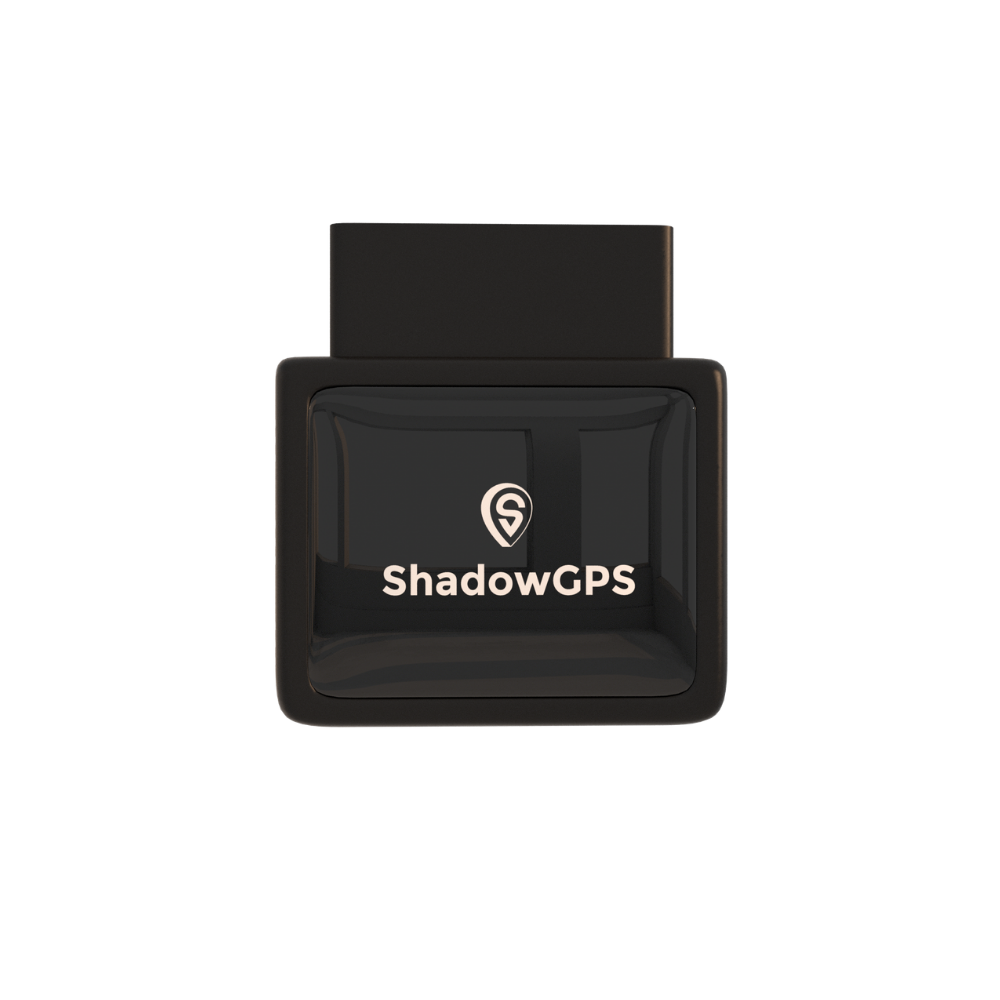
ShadowAuto
- Plugs in under 2 minutes, no tools
- Live map, trip timeline and trip replay
- Geofence, Car Alarm and unplug alerts


ShadowTrack is the battery option for trailers, equipment and older vehicles. It runs up to about 15 days per charge depending on how much it moves, and it pairs with a weatherproof magnetic case.
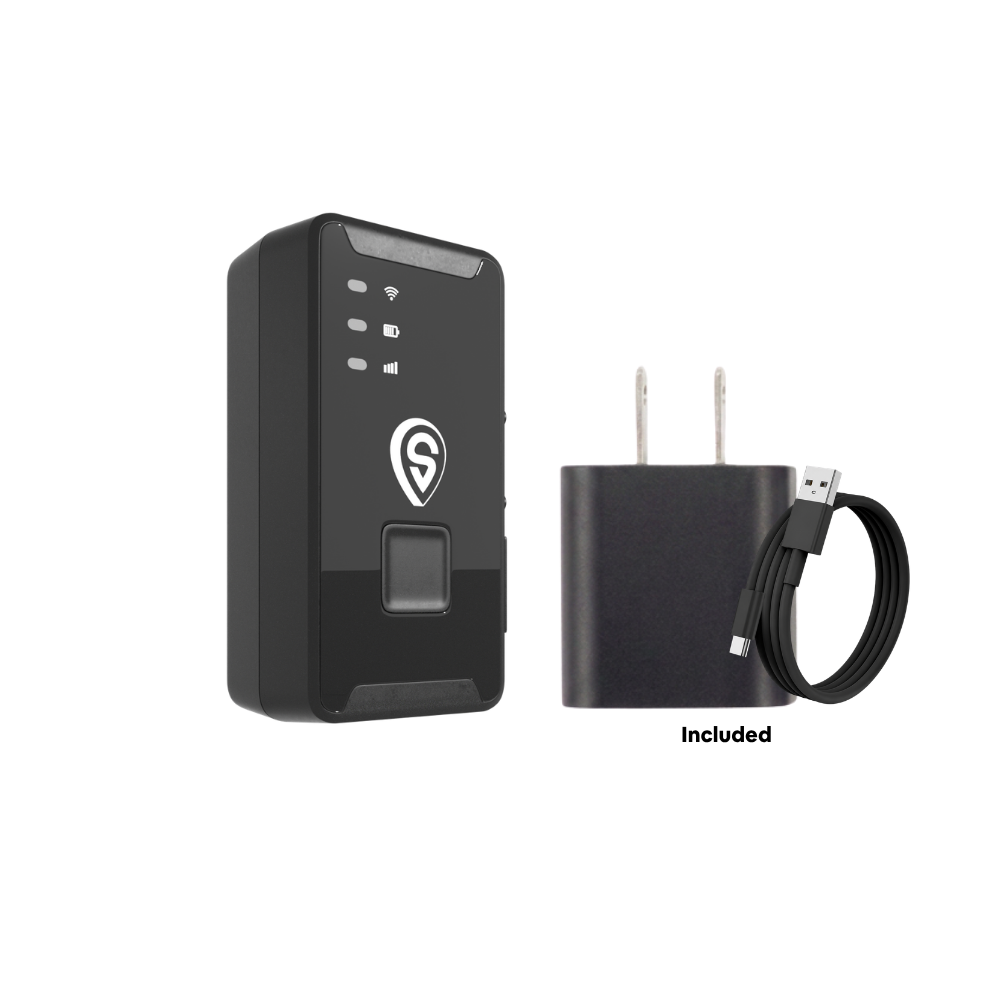
ShadowTrack
- Up to about 15 days per charge
- Works with a weatherproof magnetic case
- Same live map as your vehicles
Best for: ShadowAuto in every vehicle, ShadowTrack on trailers, equipment and as a hidden backup.
Real-Time vs. Periodic vs. No Tracking
| Situation | No tracking | Periodic (minutes) | Real-time (seconds) |
|---|---|---|---|
| Urgent job comes in | Call or text every driver | Guess from a location minutes old | See the closest truck now |
| Vehicle moves at night | Find out in the morning | Alert, then a slow trail | Alert, then follow it live |
| Customer asks "where is he?" | Call the driver | Rough estimate | Send a live link |
| Billing dispute | Driver's word vs. customer's | Approximate times | Exact arrival and departure times |
| Trailer or equipment sitting for weeks | Check in person | Often enough | Movement alerts matter most here |
When You Don't Need Real-Time Updates
Honest answer: not everything needs second-by-second tracking all the time. A trailer that sits in the yard for a month doesn't need a live map. It needs a movement alert the moment it starts rolling, and then fast updates while it's moving.
That's why good trackers send frequent updates while moving and save power while parked. Battery trackers in particular trade update speed for battery life, so think about how often each asset moves. Our guide on how long GPS tracker batteries last covers this in detail.
For vehicles your team drives every day, real-time is the default worth having. The decisions you make with it, like dispatch and theft response, happen in minutes, not hours.
How to Switch Your Fleet to Real-Time in One Afternoon
- Start with what matters most. Track the vehicles you rely on daily and the assets most likely to walk away.
- Tell your team. Explain what's tracked, when, and why. Put it in writing.
- Plug in each tracker. Most OBD-II ports sit under the dashboard on the driver's side. Here's how to find yours in 30 seconds.
- Name every vehicle clearly. "Van 2 (Maria)" reads faster on a live map than a serial number.
- Set only the alerts you'll act on. Start with a yard geofence, after-hours movement and unplug alerts. See how to set up geofence alerts.
- Use the live map for one real decision. The first time you dispatch the closest truck in 10 seconds, the habit sticks.
5 Questions to Ask Before You Buy a Real-Time Tracker
- What's the update interval while moving, in seconds? And is it the same on every plan?
- Is there a contract? Month-to-month means you can stop if it doesn't fit.
- Do I need a SIM card or data plan? The best trackers include connectivity. Read does a GPS tracker need a SIM card.
- Which network does it use? Look for LTE or LTE-M, not 3G.
- Can I see all vehicles and assets in one app? Plug-in and battery trackers should share one map.
Track company vehicles the right way
Tracking vehicles your business owns is generally legal in the U.S., but notice and consent rules vary by state, especially for employees. Tell drivers in writing and don't track their personal vehicles. Our guide on GPS tracking laws for employee vehicles covers the details.
Frequently Asked Questions
Is there a monthly fee for real-time vehicle tracking?
Yes. Real-time trackers send location data over a cellular network, which carries a monthly cost. ShadowGPS plans run $8 to $15 per tracker per month depending on fleet size and how you pay. No contract. Month-to-month, or prepay and save.
What does "real-time" mean for vehicle tracking?
Real-time vehicle tracking means the tracker sends a new location every few seconds while your vehicle is moving, so the map matches where it actually is. Updates every 5 to 15 seconds are true real-time. Updates every few minutes are periodic tracking.
Do real-time trackers need a SIM card?
Not with ShadowAuto or ShadowTrack. Cellular connectivity is built in and covered by your plan, so there's no SIM card or separate data plan to buy.
How hard is it to switch to real-time tracking?
Not hard. A plug-in tracker goes into the OBD-II port in under 2 minutes with no tools, and battery trackers just need to be charged and placed. Most small fleets are fully live the same day.
Would hourly tracking be good enough?
For reviewing mileage after the fact, maybe. For dispatching the closest truck, giving a customer an ETA or following a stolen vehicle, no. Those decisions happen in minutes, and an hour-old location can be miles off.
Does real-time tracking drain the battery?
Plug-in OBD-II trackers run on your car or truck's power, so there's nothing to charge. Battery trackers use more power at faster update speeds, which is why they update often while moving and save power while parked. ShadowTrack lasts up to about 15 days per charge depending on movement.
What happens in areas with weak cell service?
Live updates depend on a cellular connection. In weak areas updates may slow or pause, and the tracker sends its trip data once it reconnects. Trackers on modern LTE networks generally hold up better than older 3G devices, which no longer work in the U.S.
Is real-time tracking only for big fleets?
No. Plug-in trackers and no-contract plans make real-time visibility practical for a single family car, a Turo host with a few vehicles or a small business with 2 to 10 trucks.
Is it legal to track my company's vehicles in real time?
Tracking vehicles your business owns is generally legal in the U.S., but notice and consent rules vary by state. Tell drivers in writing and avoid tracking personal vehicles.
See every vehicle live, not later.
Plug it in, and see your vehicles update every five seconds. Cancel any time.
The Bottom Line
Real-time vehicle visibility became standard because it stopped being hard to get. Trackers plug in, networks are faster and more reliable, plans don't lock you in, and customers expect to see the truck coming.
The one thing to check is what "real-time" means on the plan you're buying. Ask for the update interval in seconds. For more help choosing, read how to choose fleet GPS tracking for 3 to 10 vehicles, see full pricing, or visit our business page. Plug it in, see it move, cancel any time.
Pricing current as of October 2026, in USD. Accuracy data: GPS.gov. Update intervals for other providers vary by plan; check each provider's current terms. Some links on this page are affiliate links, which means we may earn a commission at no extra cost to you.

