

The best car security is the kind nobody else knows is there. A hidden GPS tracker for your vehicle doesn't try to scare anyone off. It quietly answers the one question that matters most when your car isn't where you left it: where is it right now?
Alarms, wheel locks, and immobilizers all have a job, and they're worth having. But each one is visible, known, and beatable by someone who has seen it before. A hidden tracker is the layer that keeps working after the others have been bypassed, which is exactly why it's the strongest anti-theft defense an everyday owner can add.
This guide explains how hidden tracking works, where it beats visible security, where to place a tracker in your own car or truck, which features actually matter, and what to do in the first ten minutes if your car is ever taken.
A hidden GPS tracker is the best defense against vehicle theft because thieves can't disable what they can't find. It sends your car's live location to your phone, alerts you the moment it moves without you, and gives police an exact address instead of a description. Locks and alarms try to stop theft; a hidden tracker gets your car back.
What is a hidden GPS tracker for a vehicle?
A hidden GPS tracker is a small device placed somewhere out of sight in your car, truck, or trailer that reports its location to an app on your phone. It uses GPS satellites to figure out where it is, then sends that location over a cellular connection so you can see it on a map from anywhere.
There are two main kinds. A plug-in OBD-II tracker plugs into the diagnostic port under your dashboard and runs on your car's power. A battery-powered tracker runs on its own rechargeable battery, so you can tuck it almost anywhere, including inside a weatherproof magnetic case.
How a hidden car tracker works, step by step
- It finds its position. A GPS chip reads signals from satellites overhead and calculates latitude and longitude.
- It sends that position. A built-in cellular modem (on ShadowGPS trackers, multi-carrier LTE-M) uploads the location. You don't buy or insert a SIM card yourself.
- Your app shows it live. You see the car on a map, its trip history, and any alerts you've set.
- Alerts fire when something's off. Unexpected movement, a car leaving a zone you drew on the map, or someone tampering with the tracker triggers a notification.
Want the full technical picture? Our guide on how real-time GPS tracking works goes deeper, and this post answers the SIM card question in detail.
Why visible car security isn't enough on its own
Vehicle theft in the US has dropped sharply. The National Insurance Crime Bureau reported 659,880 vehicles stolen in 2025, down about 23% from 850,708 in 2024. That's real progress, but it still works out to roughly one car every 48 seconds. NICB also warns that organized theft rings keep changing their methods.
That change in methods is the problem with relying only on security a thief can see. Here's how the common layers hold up.
Car alarms
Alarms are so common that most people ignore them. A thief who expects an alarm can work fast or disable the siren, and once the car is gone, the alarm has nothing left to do.
Steering wheel locks and visible deterrents
A bright steering lock is a good "pick another car" signal for opportunists. A prepared thief can cut it, and it does nothing against a tow truck or a flatbed.
Factory immobilizers and keyless entry
Immobilizers stopped a lot of hot-wiring. Today, though, some thieves use relay devices to extend a key fob's signal, or program a new key through the diagnostic port. When that works, the car starts like it's theirs.
The pattern: visible security can be studied
Every one of those layers is something a thief can see, research, and plan around. They only have to beat it once. A hidden tracker flips that logic. The thief doesn't know it's there, so there's nothing to plan around, and it keeps reporting after everything visible has failed.
5 reasons a hidden GPS tracker is the best anti-theft defense
1. Thieves can't disable what they can't find
A professional crew may check the obvious spots, like the diagnostic port, before driving off. They won't take apart a bumper or pull every seat to look. A tracker placed somewhere unexpected stays in the game long after the car is moved.
2. It works after every other layer fails
Towed, relay-attacked, or driven off with a cloned key: a hidden tracker doesn't care how the car left. Its job starts when the others end, which is why it's the recovery layer in NICB's long-standing "layered protection" approach to car security.
3. Fast updates shrink the blind spot
How often a tracker reports matters more than most buyers realize. At 60 mph, a car covers 88 feet every second. So the gap between location updates becomes a "blind spot" where you, and police, are guessing.
| Update interval | Distance traveled at 60 mph | What that means |
|---|---|---|
| 3 minutes | About 3 miles | Could be on a different highway |
| 60 seconds | About 1 mile | Several turns you never see |
| 15 seconds | About 1,320 feet | A quarter mile between dots |
| 5 seconds (ShadowGPS) | About 440 feet | Every turn shows up on the map |
That's why ShadowGPS trackers update every 5 seconds while your car is moving, on every plan, instead of charging extra for speed.
4. Police get an address, not a description
"Silver sedan, last seen in a grocery store lot" is hard to act on. A live map pin is not. When you can share an exact, current location with officers, they can respond to a place instead of searching for a car.
5. It protects you in more situations than theft
The same tracker that guards against theft tells a parent their teen got to school, shows a Turo host where a guest is driving, and lets a small contractor see which truck is closest to the next job. You buy it for security and use it every week for peace of mind.
Key takeaway
Prevention layers (alarms, locks, immobilizers) slow a thief down. A hidden GPS tracker is the recovery layer: it tells you the car is moving, shows you where it's going, and gives police a location they can act on. The strongest setup uses both.
Anti-theft layers compared: what each one actually does
| Security layer | Stops theft at the curb? | Helps you get the car back? | Can a thief see it? | Common workaround |
|---|---|---|---|---|
| Car alarm | Sometimes | No | Yes | Speed, ignored siren |
| Steering wheel lock | Deters opportunists | No | Yes (by design) | Cutting tools, towing |
| Factory immobilizer | Often | No | Known per model | Relay attack, key programming |
| Kill switch | Often | No | Hidden | Towing |
| Bluetooth tag (AirTag) | No | Sometimes | Can alert the thief's phone | Found and tossed |
| Plug-in OBD GPS tracker | No | Yes, live | Port is a known spot | Unplugging |
| Hidden battery GPS tracker | No | Yes, live | Hard to find | Time-consuming search |
| OBD + hidden battery tracker together | Car Alarm alerts you early | Yes, with a backup | Finding one still leaves the other | Very few |
Hidden vs. plug-in: which type of tracker hides best?
Here's the honest version most guides skip. An OBD-II tracker is the easiest, most reliable option for everyday tracking, but the diagnostic port is a place experienced thieves know to look. A battery-powered tracker can go almost anywhere, so it's the harder one to find. The right choice depends on the car and how you use it, and for a car that really matters, using both is the strongest move.
Plug-in OBD-II trackers: always on, zero upkeep
You plug it in under the dash in under 2 minutes, no tools, and it runs on your car's power so you never charge it. It's ideal for a daily driver, a teen's first car, or a Turo rental where you want constant tracking, trip history, and engine codes. Our OBD port locator guide shows where yours is.
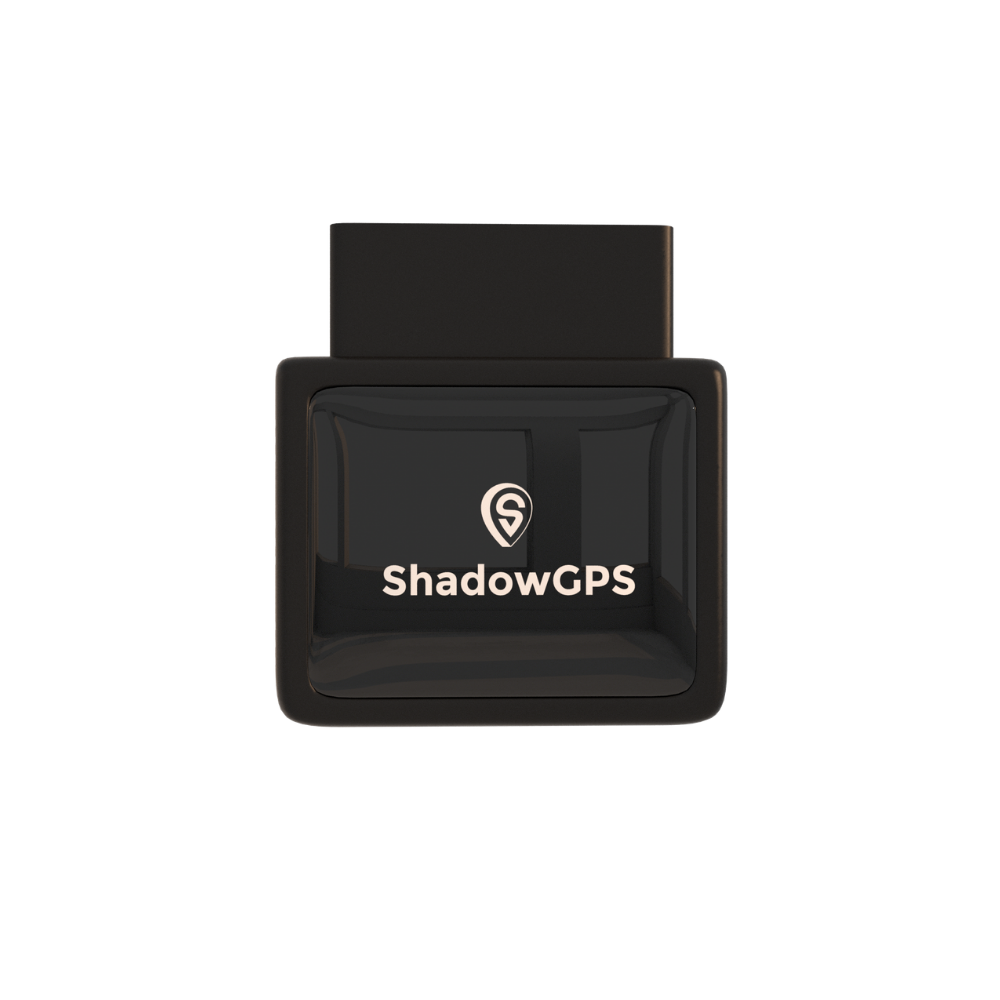
ShadowAuto
- Plugs in under 2 minutes, no tools
- Powered by your car, never needs charging
- Car Alarm, tamper alerts and engine codes in the app


Battery-powered trackers: the truly hidden option
A battery tracker isn't tied to any port, so it can sit inside a bumper cavity, under a seat, or on the frame in a weatherproof magnetic case. That makes it the better fit when hiding matters most, and the only fit for trailers, equipment, older cars, and anything without an OBD-II port. The tradeoff is charging: plan on recharging about every couple of weeks, depending on how much the car moves.
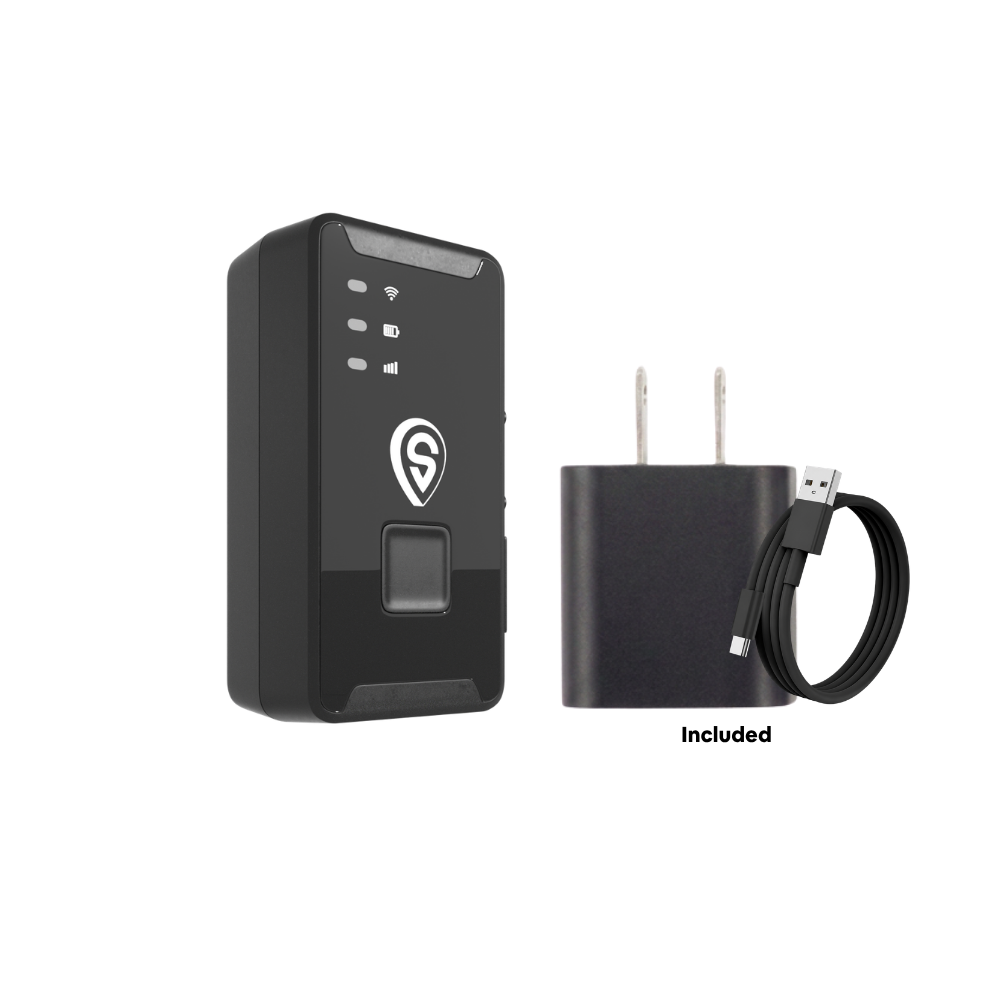
ShadowTrack
- Up to about 15 days per charge
- Weatherproof magnetic case, hides almost anywhere
- Works on trailers and cars without an OBD port
The two-tracker setup for the car that matters most
For a high-value car, a classic, or a truck you depend on for work, pair an OBD tracker with a hidden battery tracker. The OBD tracker handles everyday tracking and Car Alarm alerts. The battery tracker sits somewhere unexpected as a backup. If someone finds and pulls the first one, the second keeps reporting, and you still know where your car is.
Best for: ShadowAuto for daily drivers, teen drivers, and Turo cars. ShadowTrack for maximum concealment, trailers, and non-OBD vehicles. Both together for anything you can't afford to lose.
Where to hide a GPS tracker on your car
A good hiding spot does two things at once: it's hard for a stranger to find, and it still lets the tracker "see" enough sky to get GPS and cell signal. Thick metal blocks signal, so the best spots are usually behind plastic, fabric, or glass.
Best spots for a battery tracker (in a weatherproof case)
- Inside the rear bumper cover. Bumper covers are plastic, so signal passes through, and few people take them apart.
- Under or inside a seat. A pocket under the seat fabric or a gap in the frame keeps it out of sight with decent signal.
- Behind an interior trim panel. Trunk side panels and rear deck trim are quick to reach for you and slow for anyone else.
- On the frame rail, away from heat. A magnetic case on a flat, clean frame section works well. Keep it clear of the exhaust and suspension.
- On a trailer: inside the tongue or under the deck, where a quick walk-around won't spot it.
Best ways to keep an OBD tracker out of sight
- Use the port as-is. Many OBD ports sit low and deep under the dash. A tracker there isn't visible from the seat.
- Use a short OBD extension cable. It lets you move the tracker up behind a panel so the port looks empty at a glance.
- Turn on tamper alerts. If someone does unplug it, you hear about it right away.
Spots to avoid
- The engine bay (too hot for a battery)
- Right next to the exhaust or catalytic converter
- Inside a fully metal box or deep in the spare-tire well, where signal drops
- Wheel wells and loose spots where road debris or a pothole can knock it off
After placing a tracker, take a short drive and check the app. If the trail looks smooth and updates keep coming, the spot works. Need more detail? See our guide to placing a GPS tracker in your car.
Features that actually matter for theft protection
Feature lists get long fast. These are the ones that change the outcome when something goes wrong.
- Live tracking with fast updates. The shorter the gap between updates, the smaller the blind spot (see the table above).
- Movement and Car Alarm alerts. Know the moment your parked car starts moving, not the next morning.
- Geofence alerts. Draw a zone around your home or lot and get a ping when the car leaves it. Here's how to set up geofences that catch overnight theft.
- Tamper alerts. A heads-up if the tracker is unplugged or disturbed.
- Share Live Location. Send a live link to a family member or an officer so they see what you see.
- Trip timeline and replay. A time-stamped record of where the car went, useful for police reports and insurance claims.
- Web and app access. Check from your phone or a laptop, whichever is closer when it counts.
- No contract. You should be able to stop paying the month you stop needing it.
For a longer checklist, read the top features to look for in a vehicle security tracker.
What to do if your car is stolen and you have a hidden tracker
Having a live location changes what you do next. Follow these steps in order:
- Confirm it's theft. Check the app. Make sure a family member didn't borrow the car and it wasn't towed for parking.
- Call 911 or your local police right away. Say you have a GPS tracker with a live location.
- Share the live location with officers. Use Share Live Location or read out the current address and direction of travel.
- Don't go after the car yourself. Let police handle the recovery. Your job is to keep the location coming.
- Save the trip history. Screenshot or export the route and timestamps for the police report and your insurer.
- Call your insurance company. Give them the report number and the tracking record.
Our full stolen car recovery checklist walks through each step.
Real-world ways owners use hidden trackers
These are example setups based on the most common reasons people buy a tracker, not individual customer stories.
The parent of a new driver
A plug-in tracker in the teen's car shows arrivals at school and work. A geofence around home flags late-night moves, and the same setup protects the car while it sits in a big parking lot.
The Turo host
An OBD tracker covers every trip, and a battery tracker hidden in the trunk trim backs it up. If a guest goes far past the agreed area, the host knows right away. See our Turo host page.
The small contractor
Three work trucks get OBD trackers, and the equipment trailer gets a hidden battery tracker. One app shows where everything is, including the trailer parked overnight at a job site.
How ShadowGPS compares to other hidden GPS trackers
Most popular trackers can be hidden. Where they really differ is how often they update, whether fast updates cost extra, and whether you're locked into a contract.
| Tracker | Type | Updates while moving | Monthly fee | Contract |
|---|---|---|---|---|
| Bouncie | OBD-II only | 15 sec | $9.00 to $9.65 | None |
| Tracki | Battery | 10 sec to 1 hr, by plan | $9.95 to $30 | 2-year for best rate |
| Spytec | Battery / OBD | 60 sec, faster on top plan | $25 to $45 | None |
| LandAirSea | Battery | 3 min to 3 sec, by plan | $9.95 to $49.95 | 2-year for best rate |
| Apple AirTag | Bluetooth tag | No live GPS, crowd-sourced | None | None |
| ShadowAuto / ShadowTrack | OBD-II or battery | 5 sec on every plan | $9 to $15 | None, ever |
Competitor details from public listings as of August 2026 and may change. ShadowGPS pricing is for 1 to 3 trackers as of October 2026; the lowest rate applies to prepaid plans.
A quick word on AirTags: they're great for keys and bags, but they're not built for theft recovery. They rely on nearby Apple devices instead of live GPS, and Apple's anti-stalking alerts can tell the person driving your car that an AirTag is traveling with them. Our GPS tracker vs. AirTag breakdown covers the differences, and our best hidden GPS trackers for cars roundup compares more models.
Does a hidden GPS tracker have a monthly fee?
Yes, any tracker that shows your car's live location over a cellular network needs a data plan, and that's what the monthly fee pays for. With ShadowGPS, the device is $69.90 and plans run $15/mo month-to-month, or less when you prepay (as low as $9/mo on a 2-year plan). No contract. Month-to-month, or prepay and save. You can cancel any time, and there's a 30-day money-back guarantee. Full details are on our pricing page.
Put that next to the cost of a theft claim deductible, a rental while you wait, or the time spent replacing a car, and the math is usually simple. Some insurers also ask about anti-theft devices when you renew, so it's worth mentioning your tracker to your agent.
Is it legal to put a hidden GPS tracker on your car?
In the US, tracking a vehicle you own is generally legal. Tracking a car you don't own, or a person without their consent, can break state stalking and privacy laws. A few practical rules: track only cars and trucks you own or have the right to track; tell family members who drive it; follow your local law for employees driving company vehicles; and if you're a Turo host, disclose tracking devices the way Turo's host policies require. This isn't legal advice, so check your state's rules if you're unsure. Our guide to GPS tracking laws for employee vehicles covers the business side.
Your hidden tracker setup checklist
- Pick the type: OBD-II for everyday tracking, battery for maximum concealment, or both for the car that matters most.
- Place it: plug it in, or put the battery tracker in a weatherproof case somewhere with plastic or glass between it and the sky.
- Test it: take a short drive and confirm the trail looks right in the app.
- Set alerts: turn on Car Alarm, movement, geofence, and tamper alerts.
- Share access: add a family member so someone else can see the car if your phone is off.
- Keep visible layers too: lock the doors, take the keys, and park in lit areas. Hidden tracking works best on top of good habits.
Frequently asked questions
Is there a monthly fee for a hidden GPS tracker?
Live GPS trackers need a cellular data plan, so yes. ShadowGPS plans start at $15/mo month-to-month and drop as low as $9/mo when you prepay. No contract, ever. Month-to-month, or prepay and save, and you can cancel any time.
Does a hidden car tracker need a SIM card?
Not one you have to buy. ShadowGPS trackers have cellular connectivity built in across multiple US carriers, and your monthly fee covers the data. You just plug it in or place it, then pair it in the app.
Is a hidden GPS tracker hard to set up?
No. An OBD-II tracker plugs into the port under your dash in under 2 minutes with no tools or wiring. A battery tracker goes into a magnetic case and sticks to a metal surface or tucks behind a panel.
Can thieves find or disable a hidden GPS tracker?
Some thieves check the OBD port, so a plug-in tracker is easier to find than a well-hidden battery tracker. Tamper alerts tell you if one is unplugged, and pairing an OBD tracker with a hidden battery tracker means finding one still leaves the other reporting.
Can a GPS jammer block my tracker?
Jammers can interfere with GPS and cell signals, but using, selling, or marketing one is illegal in the US under federal rules enforced by the FCC. If your tracker suddenly stops reporting while your car should be parked, treat that as a reason to check on it.
Is an AirTag good enough to hide in my car?
It's better than nothing, but it's not a GPS tracker. An AirTag only updates when it's near Apple devices, has no live tracking, and anti-stalking alerts can warn the driver that it's there. For theft recovery, a cellular GPS tracker is the stronger choice.
Is it legal to put a hidden GPS tracker on my own car?
Generally yes, if you own the car or have the right to track it. Tracking someone else's car or a person without consent can break state laws. Tell family members who drive it, and follow Turo's disclosure rules if you rent your car out.
Will a plug-in GPS tracker drain my car battery?
An OBD tracker draws a small amount of power, which a healthy battery in a regularly driven car handles easily. If a car will sit for weeks, such as a stored classic, a battery-powered tracker like ShadowTrack avoids the question entirely.
Where is the best place to hide a GPS tracker on a car?
Inside the rear bumper cover, under a seat, behind trunk trim, or on a clean section of the frame in a weatherproof magnetic case. Avoid the engine bay, the exhaust, and fully metal enclosures that block signal.
Can a GPS tracker lower my car insurance?
Some insurers offer discounts for anti-theft devices, and the rules vary by company and state. Ask your agent whether a GPS tracker qualifies on your policy.
Does a hidden tracker work in a parking garage?
Deep underground garages can weaken GPS and cell signal, so the last location may be the garage entrance. Once the car drives back out, updates pick up again, which is when tracking matters most.
Know where your car is, always
Plug it in, and see your vehicle update every five seconds. Cancel any time.
Theft figures from the National Insurance Crime Bureau's 2025 vehicle theft data. ShadowGPS pricing as of October 2026. Some links on this page are affiliate links, and ShadowGPS may earn a commission at no extra cost to you. Information on tracking laws is general and not legal advice.

