

What does vehicle downtime actually cost? For a business, industry figures put it at roughly $448 to $760 per vehicle, per day. For your own car or truck, it's the repair bill plus everything a breakdown knocks over: the tow, the rides you pay for, the shift you miss, the booking you cancel.
Here's the part most people miss. The expensive downtime usually starts as a small problem nobody noticed. A check engine light that stays on for a month. A car that isn't where it should be at 2 a.m. A work truck that's "at the shop" for two days longer than it needed to be.
This guide breaks down the real vehicle downtime cost for everyday owners and small fleets, shows you how to calculate your own number, and walks through the practical ways a plug-in GPS tracker helps you reduce vehicle downtime before it turns into a big bill.
Vehicle downtime cost is the total of everything you lose while your car or truck can't be used: the repair, the tow, a rental or rideshare, lost work hours or bookings, and the extra damage small problems cause when they're ignored. Businesses benchmark it at $448 to $760 per vehicle per day. The simplest way to cut it is to catch engine problems early and always know where your vehicle is, which a plug-in OBD-II GPS tracker does for you automatically.
What Is Vehicle Downtime?
Vehicle downtime is any stretch of time when your car or truck can't do the job you need it for. It isn't only time spent on a lift at the repair shop. It's also the day it won't start, the week it's missing after a theft, and the afternoon you spend waiting to find out whether the part is in stock.
Fleet software companies like Samsara and Fleetio split it into two types. The split matters for regular owners too, because one type is predictable and the other is where the money disappears.
Planned downtime
This is downtime you choose: an oil change, new tires, a scheduled brake job, a recall fix you booked ahead of time. You pick the day, you arrange a ride, and the cost is predictable.
Unplanned downtime
This is downtime that picks you. It's the breakdown on the highway, the dead battery in the parking lot, the accident, or the theft. It costs more because everything happens on someone else's schedule, at someone else's price.
The most common causes of unplanned downtime
- Engine and emissions faults that trigger a check engine light and get worse when ignored.
- Dead batteries, flat tires and lockouts, which AAA consistently reports as its top roadside calls.
- Accidents, including the days spent waiting on insurance and body shop schedules.
- Theft and unauthorized use, which can take a car off the road for weeks or for good.
- Recalls that arrive with a "do not drive" notice. You can check yours for free at NHTSA's recall lookup.
- Shop wait time, where the repair takes an hour but the car sits for three days.
The True Cost of Vehicle Downtime (It's Not Just the Repair Bill)
When people think about downtime, they think about the invoice. The invoice is usually the smallest surprise. The real cost is spread across hard costs you pay directly and soft costs you feel later.
Hard costs: the money that leaves your account
- The repair itself. According to the 2026 CarMD Vehicle Health Index, the average check engine light repair hit a record $554 in 2025, up 33% from the year before, as both labor and parts costs climbed.
- The tow. Unplanned failures often mean the car can't be driven to the shop.
- A rental or rideshares for every day you're without your car or truck.
- Rush pricing on parts and labor when you need it fixed today, not next week.
Soft costs: the money you never see leave
- Lost hours. Missed shifts, late pickups, a parent leaving work early to get a stranded teen.
- Lost income. For a Turo host, every day in the shop is a day with zero bookings. For a contractor, it's a job that doesn't get done.
- Lost trust. Cancelled guest trips and rescheduled customers don't always come back.
- Stress. Harder to put a number on, but anyone who's sat on a shoulder waiting for a tow knows it's real.
The cascade effect: why small problems get expensive
The single biggest driver of downtime cost is delay. CarMD's data shows exactly how this plays out. An oxygen sensor replacement averaged about $287 in 2025. Left alone, a failing sensor can contribute to catalytic converter damage, and that repair averaged about $1,511.
Same car, same root problem, roughly five times the bill. The only difference is how quickly someone acted on the warning light.
Vehicle downtime by the numbers
- $448 to $760 per day: average downtime cost per business vehicle, per an Element Fleet Management roundtable reported by Fleet Maintenance.
- $554: record average check engine light repair cost in 2025 (CarMD).
- 12.8 years: average age of vehicles in CarMD's latest study, an all-time high. Older cars mean more warning lights.
- 2x and 4x: AAA found vehicles 10+ years old were twice as likely to be stranded and four times as likely to need a tow as newer ones (2017 roadside data).
- 35%: share of drivers in an AAA survey who skipped or delayed recommended service or repairs.
How to Calculate Your Vehicle Downtime Cost
You don't need fleet software to figure out what downtime costs you. Use this simple formula and plug in your own numbers.
The downtime cost formula
Downtime cost = Repair + Tow + (Days down x Daily replacement cost) + (Days down x Daily lost income) + Knock-on damage
Daily replacement cost is whatever you spend to get around: a rental, rideshares, or borrowing a truck. Daily lost income is missed wages, missed bookings or missed jobs. Knock-on damage is the extra repair cost from waiting too long.
Here's how that plays out in three common situations. These are illustrative examples using CarMD repair averages and clearly labeled assumptions, so you can swap in your own figures.
Example 1: The family car your teen drives
A 2014 sedan throws a check engine light for a failing oxygen sensor. Your teen doesn't mention it for six weeks.
- Caught early: about $287 for the sensor and a one-hour shop visit you schedule on a Saturday.
- Caught late: about $1,511 for a catalytic converter, plus a tow (assume $150), three days of rideshares (assume $40 a day, $120), and four hours of your missed work (assume $30 an hour, $120). That's roughly $1,900.
Difference: more than $1,600, all from a warning light nobody saw.
Example 2: A Turo host with one car on the platform
Assume your car earns $70 a day and books most of the month. A breakdown mid-trip puts it in the shop for five days.
- Lost bookings: 5 days x $70 = $350, before the repair.
- Guest disruption: an unhappy guest, a possible cancelled follow-on trip and a review you can't control.
- If the car is stolen or kept past the trip: downtime can stretch into weeks, and every day of not knowing where it is adds to the bill.
Example 3: An owner-operator with three work trucks
Using the industry benchmark of $448 to $760 per vehicle per day, one truck down for two days costs $896 to $1,520 in lost productive time before anyone touches a wrench. Add a crew standing around waiting for a replacement truck, and the math gets worse fast.
How GPS Tracking Reduces Vehicle Downtime: 7 Practical Ways

A GPS tracker won't fix your car. What it does is shrink the two things that make downtime expensive: the time between a problem starting and you knowing about it, and the time you spend figuring out where your vehicle is. Here's how that works in practice.
1. See what your check engine light means from your phone
An OBD-II tracker plugs into the same diagnostic port your mechanic uses. It can read engine codes and alert you, so you know something's wrong even when you're not the one driving. That's the gap that turns a $287 fix into a $1,511 one, especially with a teen driver, an elderly parent, or a Turo guest behind the wheel.
If you want to go deeper, here's how to read a check engine code from your phone and a primer on remote engine diagnostics.
That's exactly what ShadowAuto is built for. You plug it into your OBD-II port in under 2 minutes, with no tools and no appointment, and it starts reporting location and engine codes to the ShadowGPS app.
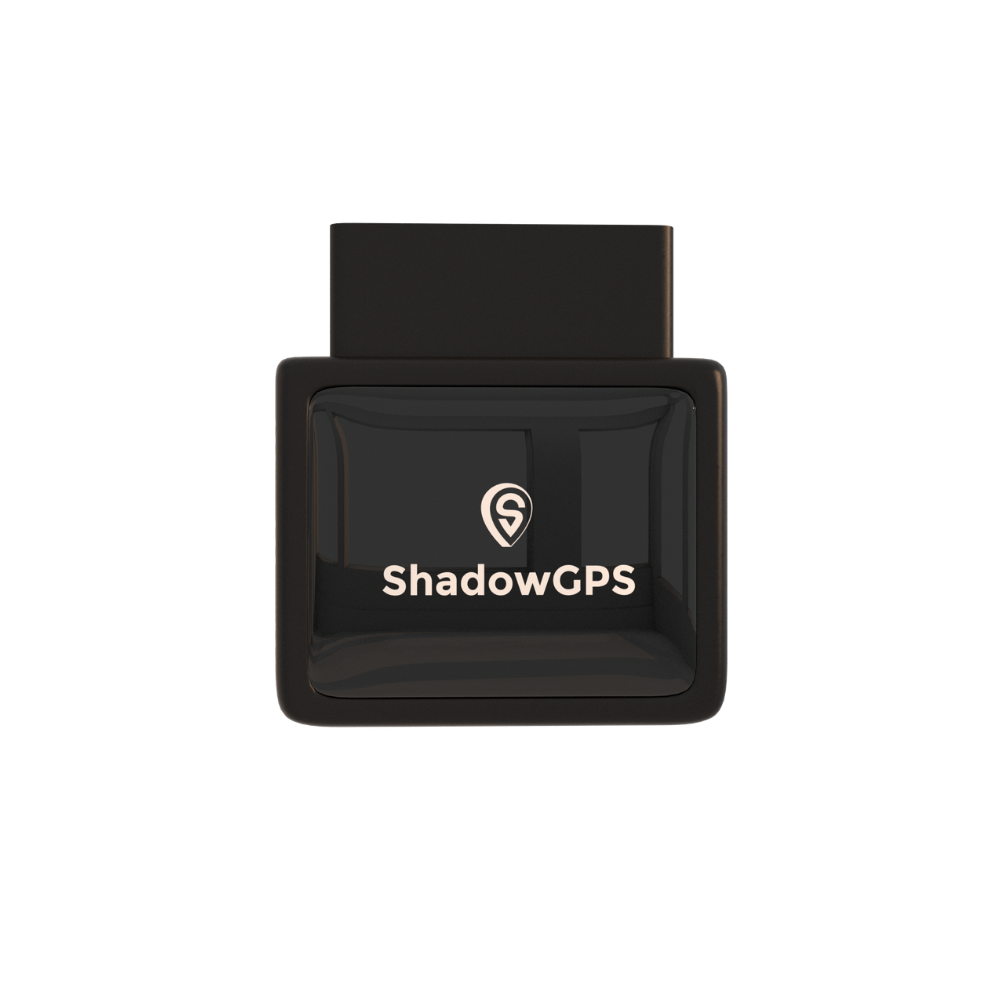
ShadowAuto
- Plugs into your OBD-II port in under 2 minutes
- Reads engine codes so problems don't sit unnoticed
- Car Alarm, trip timeline and trip replay in one app


2. Get to the shop on your schedule, not the tow truck's
Early warning turns unplanned downtime into planned downtime. Instead of a breakdown on a Tuesday morning, you book a Saturday appointment, line up a ride and order the part ahead of time. That is the least expensive kind of downtime there is.
Your trip timeline also shows how much the car has actually been driven, which makes it easier to service by real use instead of guessing from the calendar. A car that sat most of the winter doesn't need the same attention as one doing a daily 60-mile commute.
3. Know exactly where it is when something goes wrong
When a car breaks down with someone else driving, the first ten minutes are usually spent on the phone trying to figure out where they are. With a live map that updates every 5 seconds while the car is moving, you already know. You can send roadside help to the right spot and use Share Location to give a tow driver or family member a live view.
4. Shorten theft downtime
Theft is the longest downtime there is. The National Insurance Crime Bureau counted about 659,880 vehicle thefts in 2025, roughly one every 48 seconds. Every hour a stolen car's location is unknown is an hour it can be moved further away.
Car Alarm alerts you if your car moves when it's supposed to be parked, and live tracking lets you hand police a current location instead of a description. That doesn't guarantee recovery, but it gives you and law enforcement a real starting point.
5. End "where's the truck?" downtime for small fleets
If you run 2 to 5 vehicles, a surprising amount of downtime is simple confusion. Which truck is free? Is it still at the shop? Did it ever leave the job site? A single map with every vehicle on it answers those questions instantly.
Geofences help here too. Draw one around your repair shop and you'll know the moment a truck arrives and the moment it leaves, so a finished repair doesn't sit in the lot for an extra day. For budgeting, here's what GPS tracking costs for a small fleet and how to choose tracking when you have 3-10 vehicles.
6. Spot hard driving and unauthorized use before it causes damage
Trip replay shows where a car went and how it got there. For parents, that's a calm way to talk with a new driver about speeding or late nights. For Turo hosts, it shows how a guest actually used the car. For small businesses, it flags trucks being used after hours, which adds wear and miles you're paying for. More on that in our guide to stopping unauthorized vehicle use.
7. Track the things that don't have an OBD-II port
Trailers, generators, and equipment go missing, get moved to the wrong site, or sit unused while you rent another one. None of them have a diagnostic port, so the answer is a battery-powered tracker you can magnet-mount or hide.
ShadowTrack runs on a rechargeable battery that lasts up to about 15 days per charge, and it goes on in under 2 minutes. It won't read engine codes, but it tells you where your asset is so it's never "down" just because nobody can find it.
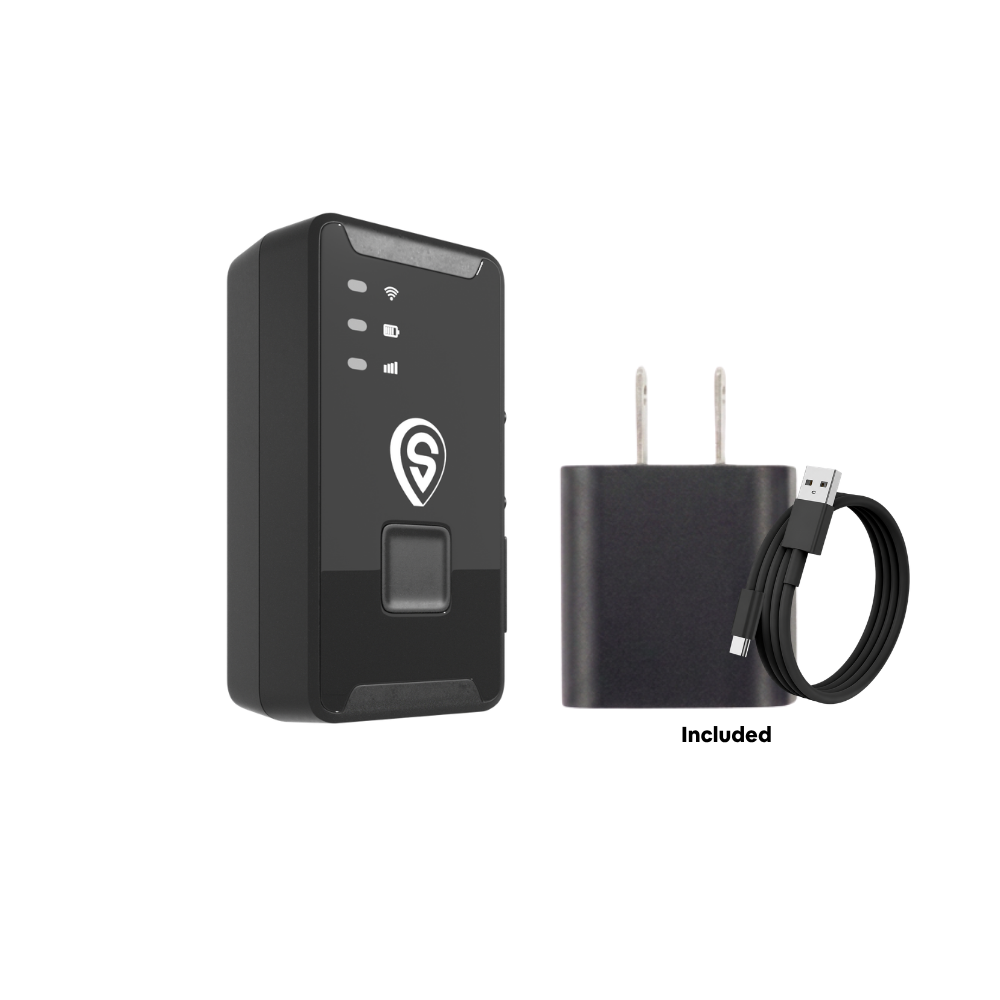
ShadowTrack
- Rechargeable, up to about 15 days per charge
- Works on assets with no OBD-II port
- Live tracking, trip timeline and geofence alerts
Who Loses the Most to Downtime?
Downtime hits different people in different ways. Here's where a tracker tends to pay off first.
Parents of teen drivers
You're rarely the one in the car when the warning light comes on. Engine code alerts and a live map mean you hear about problems from the app, not a phone call from the roadside. See our guide to tracking for teen drivers and elderly parents.
Turo hosts
Your car only earns when it's on the road. Catching issues between trips, and knowing where your car is during one, protects your bookings. Here's our pick for the best GPS tracker for Turo.
Owner-operators with 2-5 vehicles
One truck down can mean a whole crew waiting. A shared map, shop geofences and engine alerts keep every vehicle accounted for without enterprise software.
Your 5-Step Plan to Reduce Vehicle Downtime
You don't need a maintenance department. Here's a simple routine any owner can set up in an afternoon.
- Plug in a tracker. Find your OBD-II port (usually under the dashboard near the steering column; here's how to find it in 30 seconds) and plug in. Use a battery tracker for trailers and equipment.
- Turn on the alerts that matter. Engine codes, Car Alarm, and geofences around home, school, work, and your repair shop.
- Write down your baseline. Note how many days your car or trucks were out of action last year and what it cost. You can't shrink a number you haven't measured.
- Set a rule for warning lights. For example: any new engine code gets looked up the same day and booked within a week. A flashing check engine light means stop driving and call a mechanic.
- Review your trip timeline once a month. Look at miles driven, late-night trips, and anything unusual. Book service by real use, not guesswork.
Comparing Ways to Prevent Vehicle Downtime
There's more than one way to stay ahead of breakdowns. Here's how the common options stack up for an everyday owner or small fleet.
| Approach | Catches engine problems early | Shows where it is | Alerts to your phone | Best for | Contract |
|---|---|---|---|---|---|
| Calendar maintenance only | Only at service visits | No | No | Low-mileage cars | None |
| Bluetooth OBD-II scanner | Yes, when you're next to the car | No | No | DIY code checks | None |
| Enterprise fleet platform | Yes | Yes | Yes | Large fleets with ELD needs | Varies, often long-term |
| ShadowTrack (battery) | No engine connection | Yes, live | Yes | Trailers, equipment, non-OBD assets | No contract, ever |
| ShadowAuto (OBD-II) | Yes, reads engine codes | Yes, live | Yes | Your car or truck, Turo, 2-5 vehicles | No contract, ever |
ShadowGPS pricing as of September 2026: $69.90 device, plans $12-$15/mo, month-to-month or prepay and save.
What a GPS Tracker Won't Do
A tracker is a warning system, not a mechanic. Being straight about the limits helps you use it well.
- It won't catch everything. Worn brake pads, tire tread and suspension wear usually don't set an engine code. Keep up with regular inspections.
- It needs cell coverage to report live. In a dead zone, location updates resume once the tracker reconnects.
- Alerts only help if someone acts on them. The five-step plan above matters as much as the hardware.
- A battery tracker needs charging. Put a recharge reminder on your calendar so your trailer tracker never goes dark.
A quick note on tracking and consent
Tracking a car or truck you own is generally legal in the US. If someone else drives it, like an employee or a rental guest, tell them it's tracked and put it in writing. Turo hosts should check Turo's current policy and disclose the tracker in the listing. Laws vary by state, so check yours if you're unsure.
Frequently Asked Questions
How much does vehicle downtime cost per day?
For business vehicles, industry benchmarks put downtime at about $448 to $760 per vehicle per day. For a personal car, the daily cost is whatever you spend getting around (rental or rideshares) plus any missed work or income, on top of the repair and tow.
What's the difference between planned and unplanned downtime?
Planned downtime is service you schedule, like an oil change or brake job. Unplanned downtime is a breakdown, accident or theft that happens without warning. Unplanned downtime costs far more because you pay for tows, rush repairs and lost time on someone else's schedule.
Is there a monthly fee for a GPS tracker?
Yes, live GPS trackers need a cellular plan to send updates. ShadowGPS plans run $12 to $15 a month, with lower rates for 4 or more trackers. No contract. Month-to-month, or prepay and save, and you can cancel any time.
Does a GPS tracker need a SIM card?
You don't need to buy or insert one. ShadowAuto and ShadowTrack come with cellular connectivity built in and work across major US carriers, so you just plug it in, activate it in the app and start tracking.
Can a GPS tracker tell me when my car needs repairs?
An OBD-II tracker like ShadowAuto can read engine codes from your car's computer, which is what triggers the check engine light. That gives you early warning of many engine and emissions problems. It won't detect wear that doesn't set a code, like brake pads or tires.
Is it hard to plug in a GPS tracker?
No. ShadowAuto plugs into your car's OBD-II port, usually under the dashboard near the steering column, in under 2 minutes. No tools, no wiring and no appointment. Most cars and light trucks built since 1996 have the port.
How can a small fleet of 2 to 5 vehicles reduce downtime?
Put a tracker on every vehicle and asset, turn on engine code alerts, and set geofences around your yard and repair shop. Track days out of service each month, act on warning lights within a week, and use trip history to schedule service by real miles.
What happens if I cancel my ShadowGPS plan?
There's no contract, so you can cancel any time. Your tracker stops sending live updates when the plan ends, and you keep the device if you want to start again later. New orders also come with a 30-day money-back guarantee.
The Bottom Line on Vehicle Downtime
Vehicle downtime cost is rarely about one big failure. It's about the days between a small warning and someone doing something about it, and the hours lost not knowing where your car or truck is.
Close those two gaps and most expensive downtime becomes small, planned downtime. A plug-in tracker does that quietly in the background: it reads the codes, shows you the map, and alerts you when something's off, whether you have one car that matters or five trucks that keep a business running.
Plug it in. See it move. Cancel any time.
Know where your car or truck is and hear about problems early. No tools, no contract, ever.
Pricing current as of September 2026. Repair cost figures from the CarMD 2026 Vehicle Health Index; roadside data from AAA; theft data from NICB; business downtime benchmark from Element Fleet Management via Fleet Maintenance. Worked examples use stated assumptions and are illustrative, not guarantees. Some links are affiliate links; ShadowGPS may earn a commission on qualifying purchases. Always tell drivers when a vehicle is tracked and follow your state's laws.

