

A wireless GPS tracker for vehicles lets you see where your car or truck is, right now, from your phone, without running a single wire. You plug it in or set it in place, and it starts reporting.
That simplicity is why wireless trackers have become the default choice for parents of teen drivers, families protecting a car that matters, Turo hosts, and small businesses with a few trucks. This guide covers the whole picture: how wireless trackers work, the two types and which one fits you, the features worth paying for, how they compare, setup, costs, and the legal lines you should know before you start.
A wireless GPS tracker for vehicles is a small device that finds your car's location by GPS and sends it to your phone over the cellular network, with no wiring needed. For a car you drive every day, a plug-in OBD-II tracker is the easiest pick because it runs on your car's power. For trailers, older vehicles, or a hidden backup, choose a battery-powered tracker.
What is a wireless GPS tracker for vehicles?
"Wireless" means nobody has to splice into your car's electrical system. Older hardwired trackers needed a mechanic to connect them behind the dashboard. A wireless tracker skips all that.
There are two kinds:
- Plug-in (OBD-II) trackers slide into the diagnostic port under your dashboard. Every car and light truck sold in the U.S. since 1996 has one. The tracker draws power from your car, so you never charge it.
- Battery-powered trackers carry their own rechargeable battery. You can place them anywhere in the car, move them between vehicles, or mount them on a trailer with a magnetic case.
Both are different from Bluetooth tags like AirTag, which only update when a nearby phone passes by. A true GPS tracker has its own cellular connection and reports on its own, wherever the car goes.
How a wireless GPS tracker works
Four things happen every time your tracker reports:
- It finds its position. The tracker reads signals from GPS satellites to work out where it is.
- It sends that position. A built-in cellular connection sends the location to secure servers. There's no SIM card for you to buy or swap. More on that in whether a GPS tracker needs a SIM card.
- The app updates. Your phone or web dashboard shows the new location on a map, plus trip history and alerts.
- Alerts fire when something changes. If your car leaves a zone you set, starts when it shouldn't, or gets unplugged, you get a notification.
So does a car GPS tracker need internet? The tracker itself uses its own cellular data, so it doesn't need Wi-Fi or your phone's connection. You just need internet on your phone to view it.
Plug-in vs. battery: which wireless tracker is right for you?
Most people pick based on one question: will this tracker live in one car I drive often, or do I need it to go somewhere a plug-in can't?
| Type | Power | Setup | Best for | Watch out for |
|---|---|---|---|---|
| Bluetooth tag (AirTag, Tile) | Coin battery | Drop it in | Finding keys and bags nearby | No live tracking away from phones |
| Hardwired tracker | Car wiring | Wired in by a mechanic | Older cars without OBD-II | Cost and time to set up |
| Battery-powered (ShadowTrack) | Rechargeable battery | Place it or magnet-mount, under 2 min | Trailers, older vehicles, hidden backup | Needs charging, roughly every 2 weeks |
| Plug-in OBD-II (ShadowAuto) | Your car | Plug in, under 2 min | Daily drivers, teen cars, Turo, work trucks | Needs an OBD-II port (1996 and newer) |
Want the deeper side-by-side? See our full OBD-II vs. battery-powered GPS tracker comparison.
ShadowAuto: the plug-in tracker for your everyday car
ShadowAuto plugs into the OBD-II port in under two minutes, with no tools and no mechanic. Because it runs on your car's power, you never think about charging it. On top of live tracking and trip replay, it reads your car's diagnostics, so you can see engine codes and battery status in the app. Not sure where your port is? Find your OBD-II port in 30 seconds.
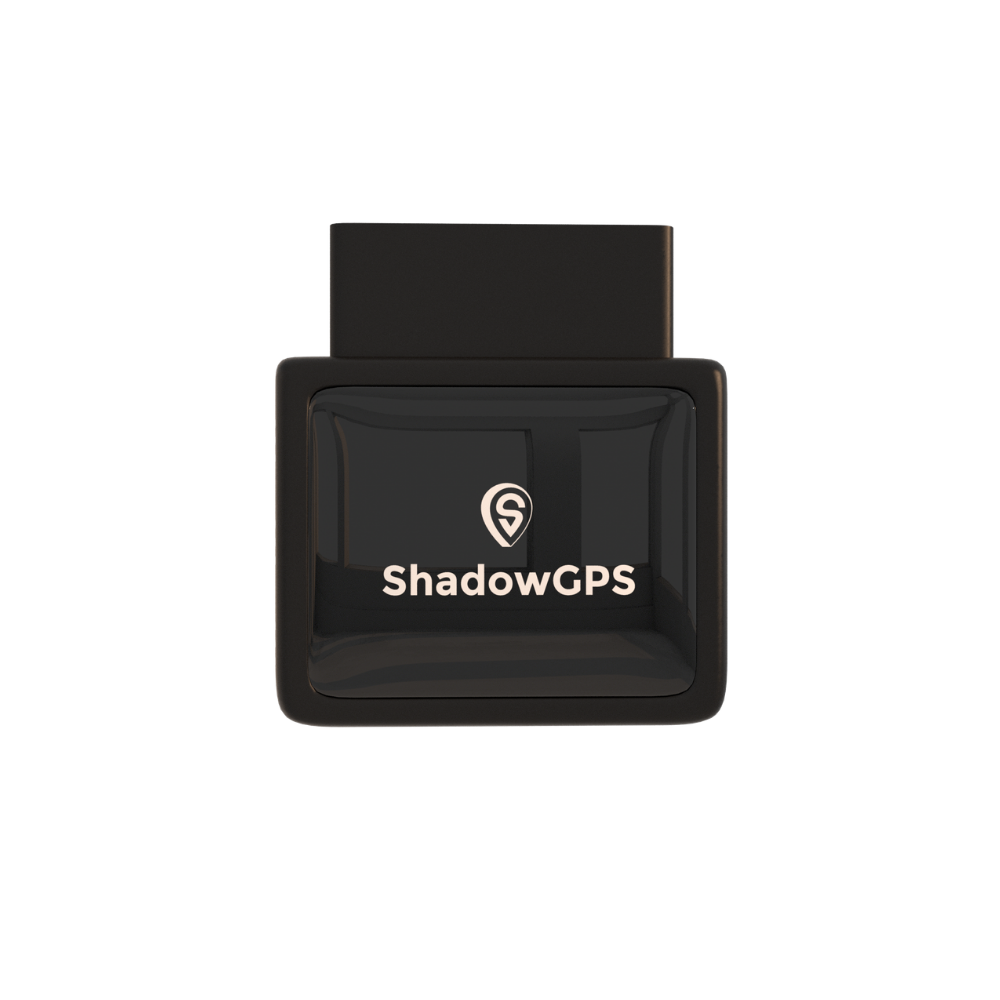
ShadowAuto
- Plug it in under the dash in under 2 minutes
- Runs on your car's power, never needs charging
- Car Alarm, trip replay, and engine diagnostics


ShadowTrack: the battery tracker that goes anywhere
ShadowTrack runs up to about 15 days per charge and sets up in under two minutes. It's the right choice for vehicles without an OBD-II port, trailers and equipment, or as a second tracker tucked out of sight in your own car, so you still have a location if a thief pulls the plug-in tracker.
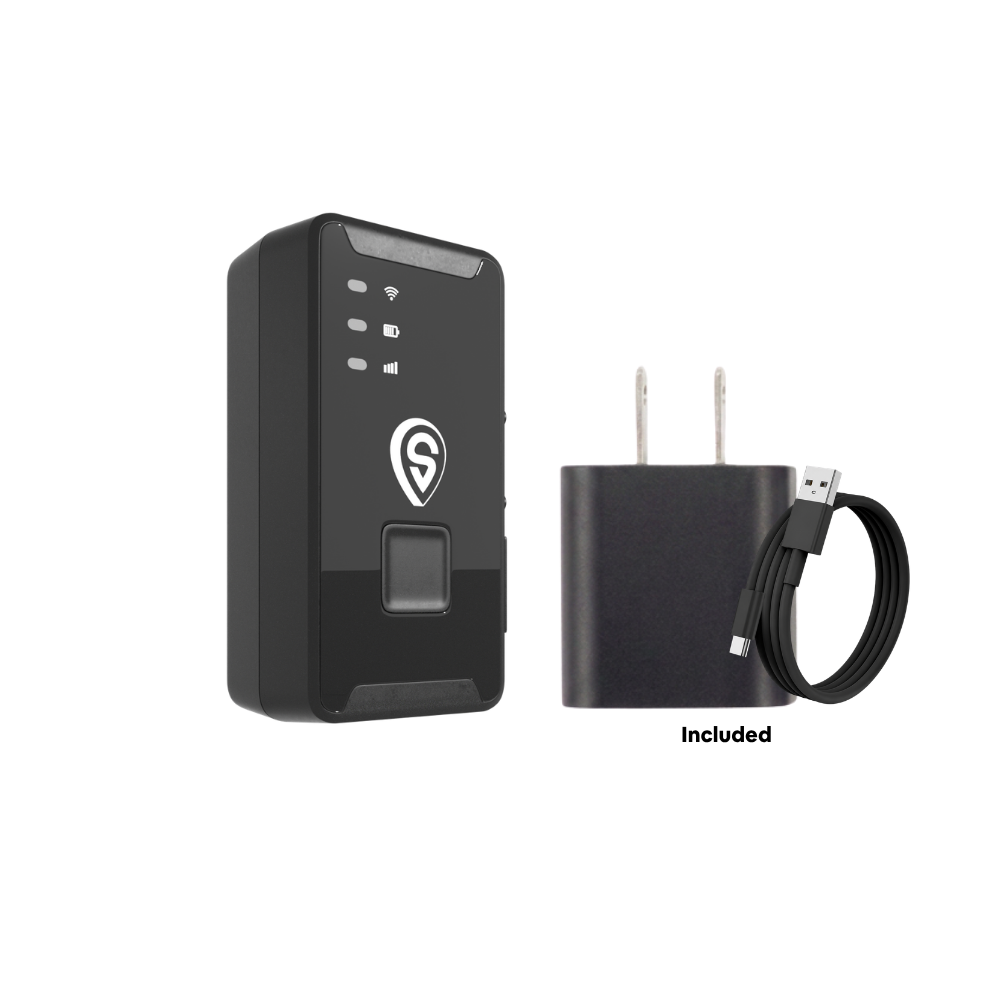
ShadowTrack
- Up to ~15 days per charge
- No OBD-II port needed
- Move it between vehicles, trailers, and equipment
Mounting ShadowTrack on the outside of a trailer or frame? Pair it with our weatherproof magnetic case, which keeps out rain, dust, and road spray.
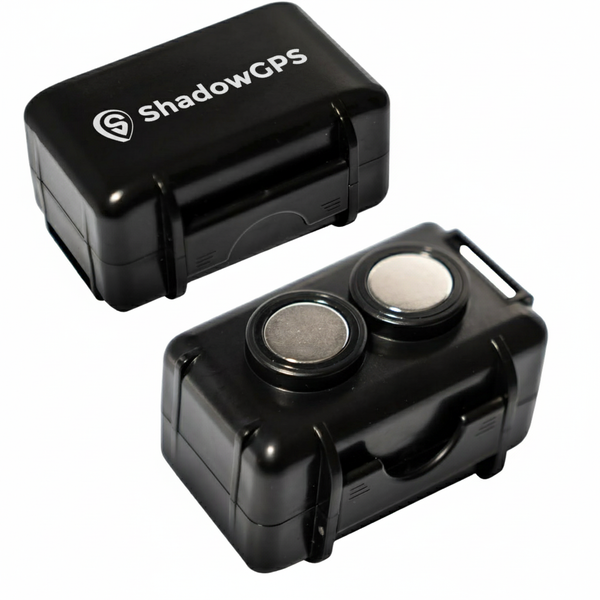
Weatherproof Magnetic Case
- Protects your tracker from rain, dust, and road spray
- Strong magnet holds to any steel surface
- Pops off in seconds when it's time to charge
Features that actually matter
Every tracker shows a dot on a map. These are the features that separate a useful tracker from a frustrating one.
- Update speed. A tracker that refreshes every few minutes shows where your car was. ShadowGPS trackers update every 5 seconds while moving, so the map shows where your car is now.
- Trip timeline and replay. See every stop and replay the route. This is the feature owners use most.
- Geofences and curfews. Draw a zone around home, school, or a parking lot and get an alert when your car enters or leaves. Here's how to set up geofence alerts that catch overnight theft.
- Car Alarm and ignition alerts. Get notified the moment your car starts or moves when it shouldn't.
- Power-disconnection alerts. Know right away if someone unplugs a plug-in tracker.
- Collision SOS. Get an SMS alert if the tracker detects a crash.
- Share Location. Send a live link to a family member or roadside assistance.
- Web and app access with multiple users. Check from your phone or computer, and give a spouse or manager their own login.
How ShadowGPS compares to popular wireless trackers
Here's how the most common options stack up on the things buyers ask about first: monthly fee, contract, and how fast the map updates.
| Tracker | Type | Updates | Monthly fee | Contract |
|---|---|---|---|---|
| Apple AirTag | Bluetooth tag | Only near iPhones | None | None |
| Bouncie | Plug-in OBD-II | Every 15 sec | About $9-$10 | None |
| Tracki | Battery | 10 sec to 1 hr tiers | About $10-$30 | 2 years for best rate |
| LandAirSea 54 | Battery, magnetic | 3 min to 3 sec tiers | About $10-$50 | 2 years for best rate |
| Spytec | Battery | 60 sec, faster on top tier | About $25-$45 | None |
| ShadowTrack | Battery | Live, same speed as ShadowAuto | $12-$15 (as low as $9 prepaid) | None, ever |
| ShadowAuto | Plug-in OBD-II | Every 5 sec while moving | $12-$15 (as low as $9 prepaid) | None, ever |
Competitor pricing and update speeds are based on publicly listed plans as of October 2026 and change often. Check each brand's current plans before you buy.
Curious about AirTags specifically? Read why AirTags fall short for cars, or see our head-to-head on ShadowGPS vs. Bouncie.
Who uses a wireless vehicle tracker?
Parents of teen drivers
See that they got home, review a trip, and set curfew alerts, without constant texts. More in our teen driver guide.
Families with one car that matters
Know where the family car is parked, get an alert if it moves overnight, and share location in an emergency.
Turo hosts
Track each car between bookings and see mileage and routes. See our Turo hosts page.
Small business owners
Put work trucks and vans on one map for faster dispatch and after-hours alerts.
Trailer, RV, and boat owners
A battery tracker in a magnetic case watches the things that sit unattended for weeks.
Classic and weekend cars
Cars that live in a garage or storage space are easy targets. Get an alert the moment one moves.
Where to put a wireless GPS tracker in your car
For a plug-in tracker, there's only one spot: the OBD-II port, usually under the steering column. For a battery tracker, you have options. Pick a spot that's dry, out of the way, and not blocked by thick metal:
- Under a seat or in the seat-back pocket. Easy to reach for charging, good signal through the roof and windows.
- In the glove box or center console. Quick to access and protected from the weather.
- In the trunk or spare-tire area. Out of sight, so a thief is less likely to find and remove it.
- On the frame, in a magnetic case. Best for trailers. Mount it high and away from wheel wells where mud and slush collect.
Avoid sealing a tracker inside a metal box or deep under the engine. Heavy metal all around it can block the GPS signal.
How to set up a wireless GPS tracker in 4 steps
- Download the ShadowGPS app on iPhone or Android, and create your account.
- Activate your tracker in the app and choose a plan: month-to-month or prepaid.
- Plug in or place it. ShadowAuto goes into the OBD-II port. ShadowTrack goes in a spot from the list above, fully charged.
- Set your alerts. Add geofences around home, school, or work, turn on movement and ignition alerts, and invite family members or managers if you'd like.
Battery life and upkeep
A plug-in tracker needs no upkeep at all. It draws a small amount of power from your car, which a healthy battery handles easily. If a car will sit for weeks, especially in deep cold, consider a battery maintainer or use a battery tracker in that car instead.
A battery tracker needs charging. ShadowTrack runs up to about 15 days in normal use. Expect fewer days in cold weather or if the car drives a lot. A simple phone reminder to charge it every week or two keeps it from going dark. Our guide on how long GPS tracker batteries last covers this in detail, and our winter guide covers cold-weather tips.
What does a wireless GPS tracker cost?
There are two parts: the tracker itself and a monthly plan for its cellular data. With ShadowGPS, each tracker is $69.90, and plans run $12-$15 a month, or as low as $9 a month when you prepay for two years. If you track four or more vehicles, plans drop to $8-$13 per tracker. No contract: go month-to-month, or prepay and save, and cancel any time.
Trackers advertised with "no monthly fee" usually either rely on Bluetooth (no live tracking) or bundle prepaid service into a higher upfront price. If you'd rather pay upfront, ShadowGPS also offers prepaid tracker bundles with no monthly bill during the term.
The legal side: track what you own
A wireless GPS tracker is built to help you keep track of your own property: your car, your teen's car that's in your name, your work trucks, your Turo fleet, your trailer. Used that way, it's legal across the U.S.
Can I put a GPS tracker on someone else's car?
Generally, no. Many states make it a crime to put a tracker on a vehicle you don't own or have the right to use, and tracking another adult without consent, including a spouse or partner, can violate stalking and privacy laws. ShadowGPS isn't designed or sold for that. If you have employees driving company vehicles, tell them about the tracker and put it in a written policy. See our guide on GPS tracking laws for employee vehicles. This isn't legal advice, so check your state's rules if you're unsure.
Worried that someone has put a tracker on your car? Follow our step-by-step guide on how to find a tracker on your car.
Frequently asked questions
Is there a monthly fee for a wireless GPS tracker?
Yes, any tracker that shows live location over cellular needs a data plan. ShadowGPS plans are $12-$15 a month, or as little as $9 a month prepaid. No contract: go month-to-month, or prepay and save, and cancel any time.
Does a wireless GPS tracker need a SIM card?
Not one you buy. ShadowAuto and ShadowTrack have cellular connectivity built in. You activate the tracker in the app and pick a plan.
Does a car GPS tracker need internet or Wi-Fi?
No. The tracker uses its own cellular connection to send its location. You only need internet on your phone or computer to view the map.
Is a wireless GPS tracker hard to set up?
No. Plug ShadowAuto into the OBD-II port under your dashboard, or place a charged ShadowTrack in your car. Either takes under two minutes, with no tools or mechanic.
How long does a battery GPS tracker last on one charge?
ShadowTrack runs up to about 15 days per charge in normal use. Heavy driving and cold weather shorten that, so a weekly or every-other-week charge keeps it reliable.
Will a plug-in GPS tracker drain my car battery?
On a healthy battery in a car you drive regularly, no. If a car will sit for weeks, especially in cold weather, use a battery maintainer or a battery-powered tracker instead.
Is a GPS tracker better than an AirTag for a car?
For a car, yes. An AirTag only updates when an iPhone passes nearby, and it may alert a thief that it's there. A GPS tracker reports on its own over cellular, with live location and instant alerts.
Can I use a GPS tracker on a car I don't own?
Generally no. Tracking a vehicle you don't own or have the right to use, or tracking another adult without consent, is illegal in many states. Use a tracker on your own vehicles, or on company vehicles with a clear policy.
What's the best wireless GPS tracker for a vehicle?
For most cars and trucks, a plug-in OBD-II tracker like ShadowAuto is the simplest choice because it never needs charging. Choose a battery tracker like ShadowTrack for vehicles without an OBD-II port, trailers, or as a backup. For more picks, see our guide to the best GPS trackers for cars.
Know where your car is, always
Plug it in. See it move. Cancel any time. No contract, ever.
Prices and plans reflect ShadowGPS pricing as of October 2026 and may change. Battery life is typical in normal use and varies with temperature and driving. ShadowGPS may earn a commission on Amazon and Best Buy purchases made through links in this article. Track only vehicles you own or have permission to track.

